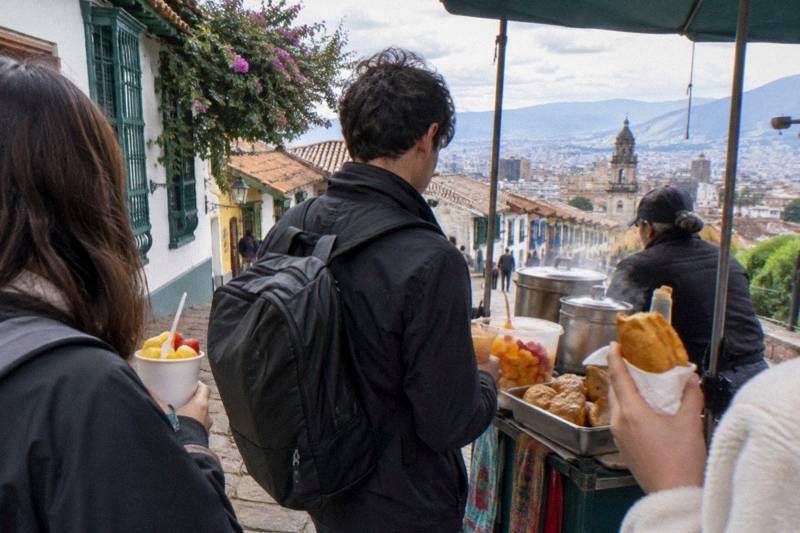
Best Restaurants In Bogotá For First-Timers
Bogotá's restaurant scene splits cleanly between traditional plates in the historic centre and market plazas, and modern Colombian cooking in Chapinero, Zona G and Usaquén. Here is how first-timers should divide their time, their budget and their stomachs.
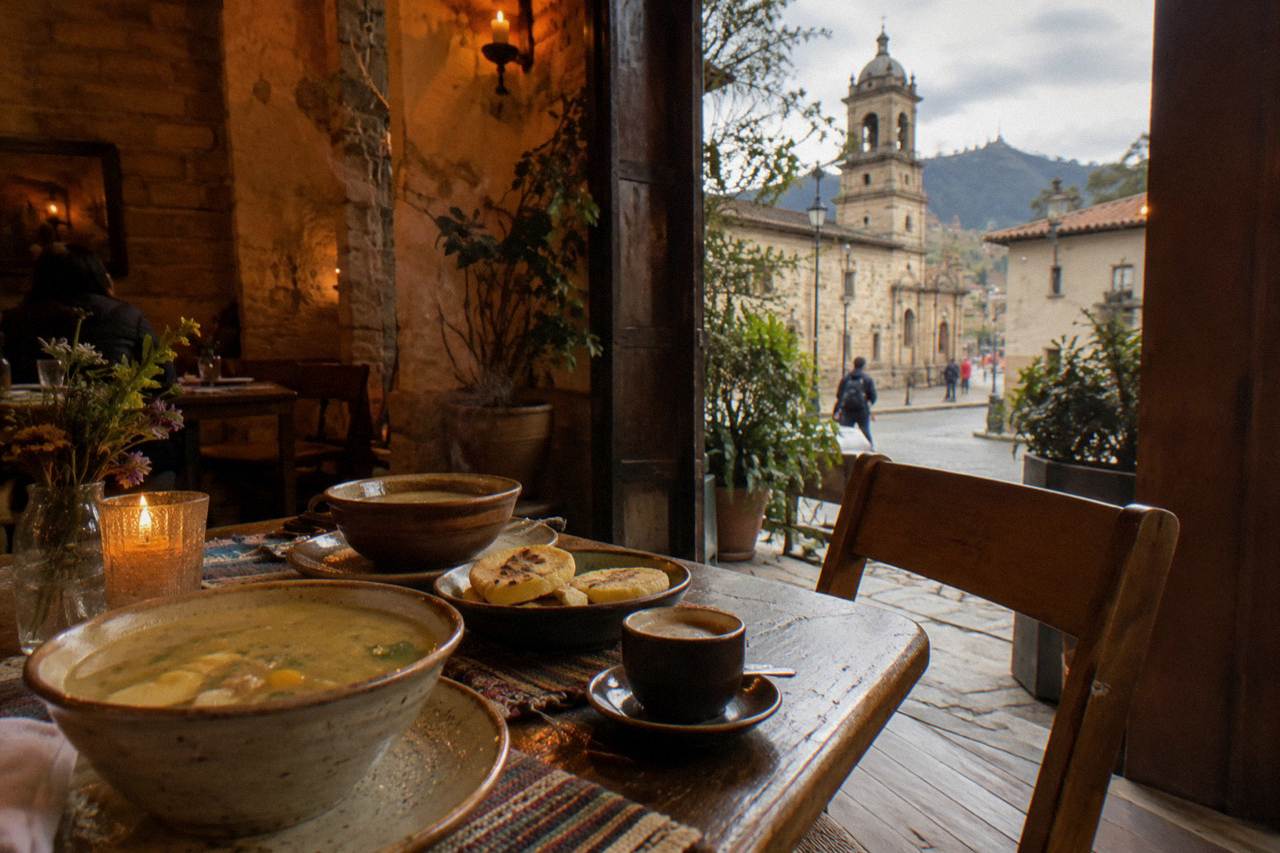
Short answer
First-timers should eat traditional dishes such as ajiaco, tamales and arepas in La Candelaria and the market plazas, then try modern Colombian cooking in Chapinero and Zona G. A 4-hour tasting walk from $55 per person covers several places at once, with the most reviewed option rated 5.0 across 714 reviews.
Bogotá restaurants do not sit still. In October 2026 the city landed three hotel Michelin Keys in the 2026 guide, a chocolate-focused salon called Casa Orígenes opened in a restored republican house in La Candelaria, and Time Out named Chapinero Alto the seventh coolest neighbourhood in the world, the only Latin American entry in its top ten. That is a lot of movement for a first visit to absorb.
The practical split is simple. Traditional food, ajiaco soup, tamales, lechona, arepas and hot chocolate with cheese, concentrates in La Candelaria and the city's market plazas. Modern Colombian cooking, the tasting menus and wine lists, concentrates in Chapinero, Zona G, Parque 93 and Usaquén. A first-timer who understands that geography eats well without ever opening a ranking list.
Where Should First-Time Visitors Eat In Bogotá?
First-time visitors should split a trip between two Bogotás: the historic centre and its market plazas for traditional plates, and Chapinero with Zona G for modern Colombian cooking. Three to four sit-down meals plus market snacks covers the essentials. Anyone short on time can compress several kitchens into one booked tasting walk instead of gambling on single restaurants.
The city sits at about 2,640 m, and altitude advice from the Bogotá health secretariat recommends one to two days of adaptation, steady hydration and lighter meals before anything ambitious. Practically, that argues for starting with market snacks and soup rather than a heavy steak on night one. It also argues for not over-scheduling: two restaurant reservations a day is plenty when the air is thin.
Restaurant-style eating here is affordable by international standards but not giveaway-cheap, and prices move. The city's own Bogotá Gourmet festival, which ran 22 October to 22 November 2026, priced fixed two-person menus at three tiers: from 89,000 COP basic up to 199,000 COP premium including drinks, a starter, two mains and a shared dessert. That is a fair planning yardstick for a nice dinner for two, though individual restaurants set their own prices and you should check current menus before booking.
One more frame for the first day: what to eat in Bogotá across the traditional dishes matters more than which specific address serves it. The dish list is short and stable; the restaurant scene churns constantly.
Traditional Dishes Or Modern Colombian: What Should You Order?
Order traditional plates where they are cheapest and most authentic-feeling, in the plazas and the historic centre, and save modern Colombian cooking for one booked dinner in Chapinero or Zona G. Traditional means ajiaco, tamales, changua, lechona and fritanga. Modern means tasting menus built on Colombian ingredients with wine pairings, concentrated in the east of the city.
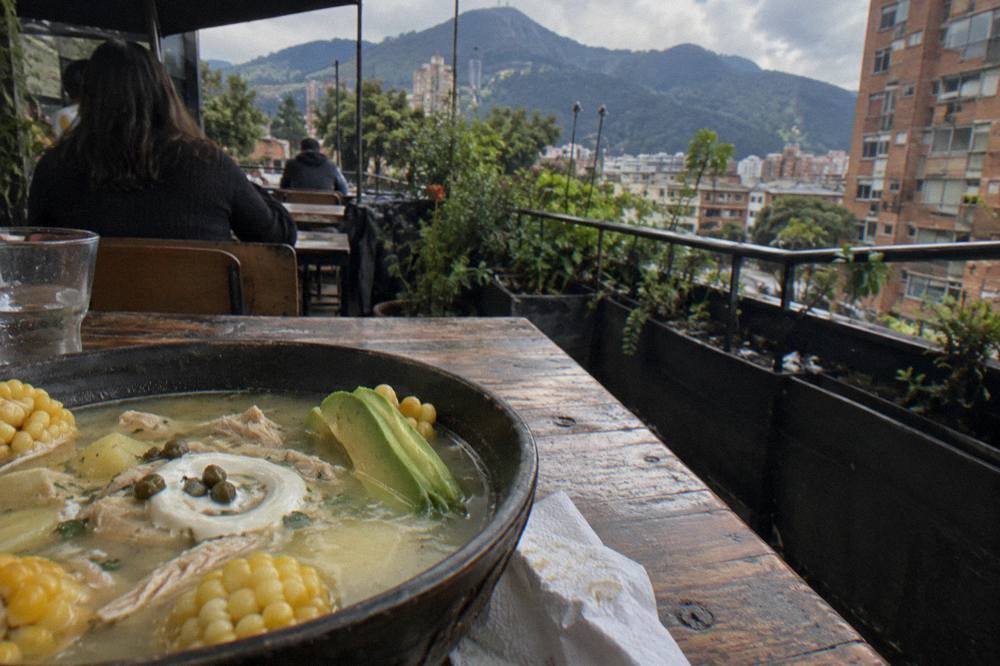
Ajiaco santafereño is the signature: a chicken and potato soup thickened with three potato types and guascas herb, served with corn, avocado and cream. Local coverage from October 2026 points to the city's market plazas, including Plaza Distrital de Mercado 12 de Octubre, as the places where the traditional version is served, with plaza hours such as 7am to 4pm on selected weekdays. Delivery menus give a sense of the going rates, a 16 oz medium reported around 23,700 COP, though restaurant prices vary and you should check each place directly.
Modern Colombian is the other half of the trip. Chapinero Alto's Time Out listing in September 2026 was based precisely on its dining density, and the surrounding Zona G and Parque 93 hold the city's chef-driven rooms. In October 2026 a contemporary steakhouse called Ágata opened at the DoubleTree by Hilton Parque 93, and the Rausch brothers' more casual projects arrived at a La Salle campus building in La Candelaria with a public terrace. Openings like these are easy to find on a map; the reliable move is picking one booked dinner there and keeping the rest of the week traditional.
The efficient compromise, especially in the first days, is a tasting walk. The Viejo Bogota Food Tour with 12+ Tastings runs 4 hours from $55 per person and is rated 5.0 across 714 reviews, the largest review pool of any food walk described here; its dozen-plus tastings fold several kitchens into one afternoon. Check availability.
The Viejo Bogota walk is the most reviewed; the Bogotá Food Experience: Cultural & Culinary Tour is a 4-hour close cousin from $47.15 per person, rated 4.9 across 615 reviews; and Bogota´s Gastronomic Wonders is a 4-hour traditional-food experience from $122 per person, rated 4.7 across 32 reviews, with its fuller price and inclusion details on the booking page.
Which Neighbourhood Suits Which Kind Of Eating?
La Candelaria and the market plazas carry traditional cooking; Chapinero and Zona G carry the chef restaurants; Usaquén and Parque 93 sit between the two, with Sunday market snacks and polished international rooms. Teusaquillo and the north are for longer stays. First-timers rarely need more than three areas.
| Area | Style of eating | Best for | Notes |
|---|---|---|---|
| La Candelaria | Traditional plates, historic shops, chocolate santafereño | Daytime meals between museums | Reported higher pickpocket risk; stick to main streets after dark |
| Market plazas (Paloquemao, La Perseverancia) | Stall cooking: ajiaco, lechona, fritanga, fruit | Breakfast and lunch | Cash-friendly, busiest before midday |
| Chapinero Alto / Zona G | Modern Colombian, tasting menus, specialty coffee | One booked dinner | Time Out's 7th coolest neighbourhood 2026 |
| Parque 93 / Zona T | Polished restaurants and hotel dining | Business-style dinners | Three hotels hold 2026 Michelin Keys nearby |
| Usaquén | Sunday market food plus upscale rooms | Weekend midday | Flea and food market runs weekends and holiday Mondays |
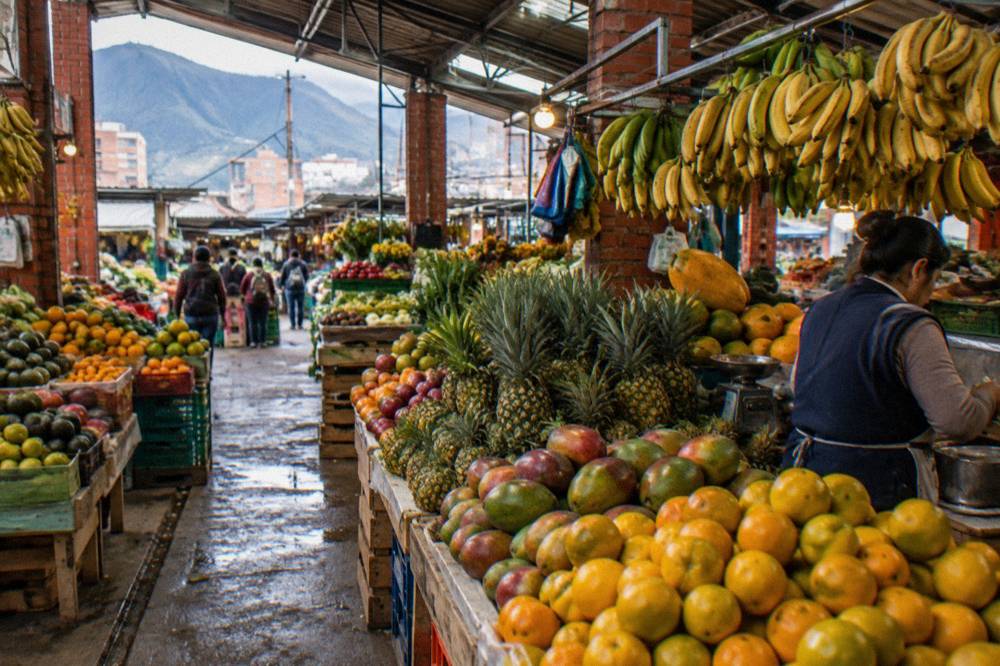
The plazas deserve their own morning. Paloquemao opens Monday to Saturday from 4:30 a.m. and Sundays and holidays from 5:00 a.m., closing mid-afternoon, with the flower sector best before 11 a.m.; the pre-dawn wholesale rush thins after midday. La Perseverancia, listed on Visit Bogotá's official plaza page, is known for family-run stalls serving ajiaco, lechona, mute santandereano and fritanga. Both were stops on the city's 2026 market-plaza tourism route, which the district promoted across seven plazas in October 2026.
What Does A Realistic Food Budget Look Like?
Plan on roughly three spending tiers: market and street snacks at a few thousand pesos each, casual sit-down meals in the mid-range, and one booked dinner at the top. A tasting walk from $47.15 to $122 per person, the true minimum and maximum of the three walks described here, replaces several separate restaurant stops and fixes most of the cost in advance.
| Spending tier | What you get | Reported markers |
|---|---|---|
| Market snacks | Juices, almojábanas, empanadas, fruit cups | Lulo juice around 4,000 COP; curuba with milk 5,000 COP at a La Candelaria cart |
| Casual sit-down | Soup, plate of the day, plaza cooking | Ajiaco medium reported around 23,700 COP on delivery menus |
| Nice dinner for two | Fixed festival menus as a yardstick | 89,000 to 199,000 COP per couple during Bogotá Gourmet 2026 |
| Guided tasting walk | 12+ tastings over 4 hours, guide included | From $55 per person, rated 5.0 across 714 reviews |
Two Colombian money habits affect every bill. Tipping is voluntary and capped by law at 10 percent under Ley 1935 de 2018; staff will ask whether to add the propina, and it is fine to decline. And tap water in Bogotá is officially potable, the one Colombian city where foreign advice consistently says so, though some visitors still choose bottled, so you need not budget for water the way you might elsewhere.
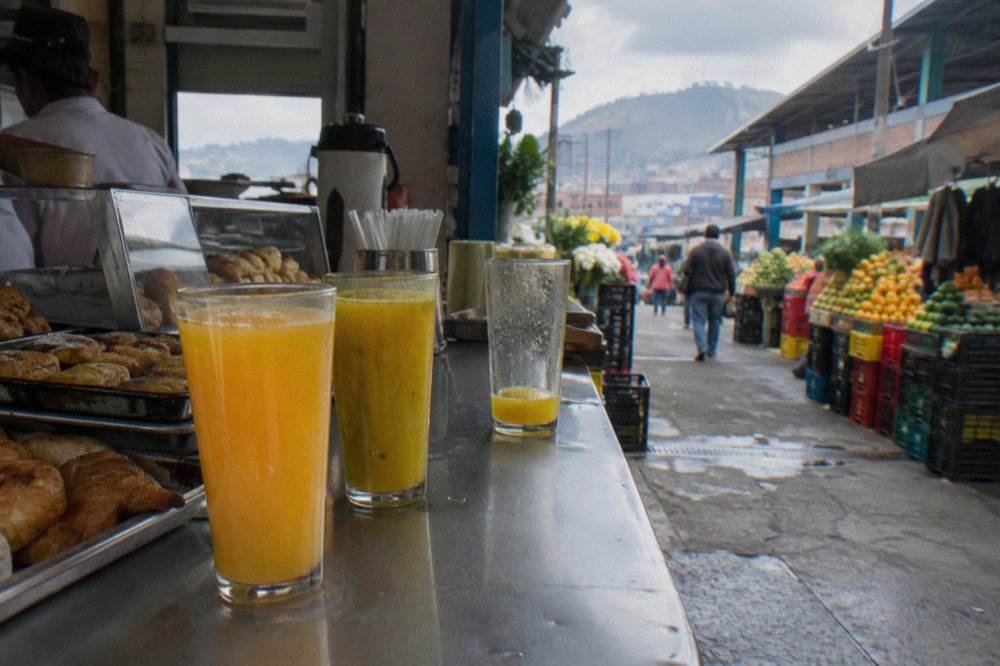
Bakery prices give a sense of the cheap end: reported delivery-listing prices put an almojábana around 4,700 COP and a pan de bono around 4,300 COP. Those figures move and each bakery sets its own, but the shape is right: breakfast at a bakery costs almost nothing, which leaves room in the budget for one proper dinner.

What Is Worth Eating In La Candelaria?
La Candelaria is the place for chocolate santafereño, almojábanas, tamales and colonial-era shops that predate the country itself. La Puerta Falsa, operating since 1816 next to the cathedral, is the historic reference point for hot chocolate with cheese. The newer layer is Casa Orígenes, a chocolate salon opened October 2026 in a restored republican house.
Chocolate santafereño is the dish visitors remember most from the centre: thick hot chocolate served with cheese to melt into the cup, alongside almojábanas or bread. La Puerta Falsa has served it since 1816 and local press still tracks it as a tourist favourite, though queues and hours vary, so check before walking over. The October 2026 opening of Casa Orígenes adds bean-to-bar tastings, author pastries and a gastronomic library in the same neighbourhood, a sign the centre is adding contemporary depth, not just history. The rest of the planning pages sit on Bogota Food Tours.
The centre is also where a short snack-included walk makes sense for orientation. The Bogotá: True Colombian Walking Tour + Local Snacks runs 2 to 3 hours from $54.68 per person, rated 4.9 across 130 reviews, mixing city context with local snacks; its exact snack stops and meeting point are on the booking page. The plaza-side eating around Carrera 2a includes reported cart prices such as a 4,000 COP lulo juice, though carts set their own prices daily.
Daytime safety framing, reported plainly: 2026 neighbourhood reports describe La Candelaria as fine on main streets and squares by day, with higher pickpocket risk and advice against walking side streets alone after dark. That is a schedule constraint more than a food one: eat in the centre at midday, head east for dinner.
What Should You Book In Chapinero And Zona G?
Book exactly one ambitious dinner in Chapinero Alto, Zona G or Parque 93, because this is where modern Colombian cooking clusters and where the new openings land. Chapinero Alto was named the world's seventh coolest neighbourhood in September 2026, and the strip around it holds the specialty coffee roasters worth visiting next morning.
The September 2026 Time Out listing cited Chapinero Alto's dining scene directly, and the openings since then back it up: Ágata's contemporary steakhouse at Parque 93 in October, Longo's seventh location in a restored conservation house on Calle 56 in September, María Bonita's 500-capacity Zona T room announced for late October. Zona G holds the quieter chef rooms. The city's Michelin recognition in 2026 went to hotels, with the Four Seasons Casa Medina in Zona G among three Keys awarded, and no Colombian restaurant appeared in the extended World's 50 Best list announced in October; El Chato in Chapinero held the number one spot in Latin America's 50 Best from December 2025. Check current availability and menus, as these rooms book out.
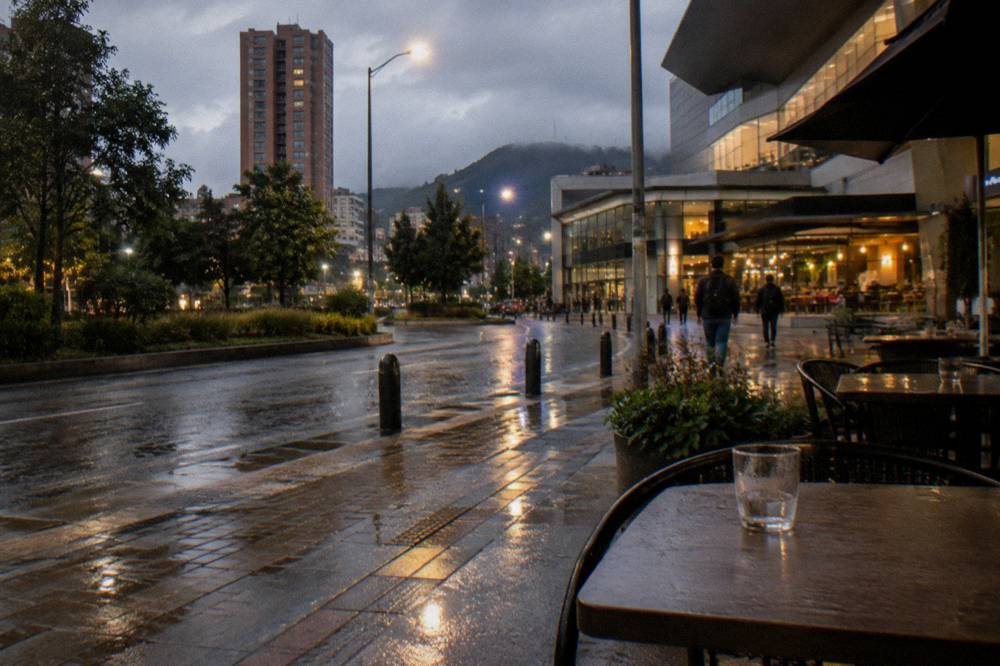
The morning after belongs to coffee, and this district is the right one for it. Chapinero's coffee shops in 2026 include Amor Perfecto, a 1990s pioneer with public cuppings, Bourbon Coffee Roasters with a second Zona G store planned, Varietale in a former convent milling its own regional lots, and Tropicalia in Quinta Camacho rotating coffees roughly every three months. The specialty coffee shops worth planning a morning around are mostly within walking distance of each other here.
If a full restaurants-plus-coffee plan sounds like logistics, a guided alternative exists in this family too: the Bogotá Food Experience: Cultural & Culinary Tour runs 4 hours from $47.15 per person, rated 4.9 across 615 reviews, pairing dishes with cultural context while you save your own reservations for the east side.
What About Usaquén And The Sunday Market?
Usaquén is the weekend play: a flea and food market on Carrera 6A between Calles 119 and 120A runs Saturdays, Sundays and holiday Mondays from 9 a.m. to 5:30 p.m., with stalls selling arepas, fresh-cut fruit, empanadas and hot chocolate, surrounded by upscale restaurants for a proper lunch after.
The market is small and pleasant rather than essential, but it slots neatly into a Sunday. Stalls sell arepas, fruit cups with salt and lime, empanadas and hot chocolate, per the market reporting from August 2026, and the surrounding colonial plaza holds polished restaurants for anything more substantial. Prices at stalls are set on the day, so carry small notes.
The north around Parque 93 and Zona T works for a final-night dinner. This is hotel-and-lobby territory: the Four Seasons Casa Medina holds a 2026 Key, and El Corral Gourmet opened a 150-seat room at Parque 93 in October 2026, projecting around 2,300 hamburgers a month, if a familiar burger format appeals after a week of soup. For drinkers, the craft beer scene, led by 3 Cordilleras with roughly half the national artisanal market, has its strongest presence in this half of the city.
Can A Food Walk Replace Restaurant Research Entirely?
For a short stay, almost. A 4-hour tasting walk visits multiple kitchens with a guide who explains each dish, which removes the need to research a dozen addresses yourself. For trips of four days or more, use a walk for the traditional half of the eating and keep your own bookings for modern Colombian rooms.
The economics are straightforward when you compare honestly. Three of the walks described here run from $47.15 to $122 per person: the Bogotá Food Experience at the low end, the Viejo Bogota 12-plus-tasting walk at $55, and Bogota´s Gastronomic Wonders at $122, rated 4.7 across 32 reviews. One caveat on cheap listings: the Bogota Shared Gastronomy Tour shows from $15, but that is a guide fee only, with tastings at about US$12 extra, so the real cost sits well above the headline number. Dietary needs are not promised on any listing; message the operator before booking.
| Walk | Duration | From (USD) | Rating and reviews |
|---|---|---|---|
| Bogotá Food Experience: Cultural & Culinary Tour | 4 hours | $47.15 per person | 4.9 across 615 reviews |
| Viejo Bogota Food Tour with 12+ Tastings | 4 hours | $55 per person | 5.0 across 714 reviews |
| Bogota´s Gastronomic Wonders | 4 hours | $122 per person | 4.7 across 32 reviews |
A walk also solves the first-day problem. Instead of committing one dinner to a restaurant you have never seen, you spend an afternoon tasting across several places, learn the dish names, and finish knowing what you want to order for the rest of the week. The natural companion read is choosing between Bogotá's food walks by style and budget.
For travellers who prefer depth over breadth, Bogota´s Gastronomic Wonders runs 4 hours from $122 per person, rated 4.7 across 32 reviews.
What Practical Rules Make First Restaurant Visits Easier?
Eat your biggest meal at lunch, carry cash for market stalls, confirm hours before travelling to any single address, decline the voluntary tip if service was poor, and keep phone and bags secure in crowded areas. Bogotá's tap water is officially potable, and the altitude argues for light meals and water on day one.
The lunch rule is the one visitors skip and regret. Plaza kitchens wind down by mid-afternoon, Paloquemao's energy is a morning thing, and the traditional dishes sit better at 1 p.m. than at 8 p.m. at 2,640 m. Health guidance for the altitude recommends one to two days of adaptation, three-plus litres of water a day, light meals and little alcohol, which maps neatly onto soup lunches for the first two days.
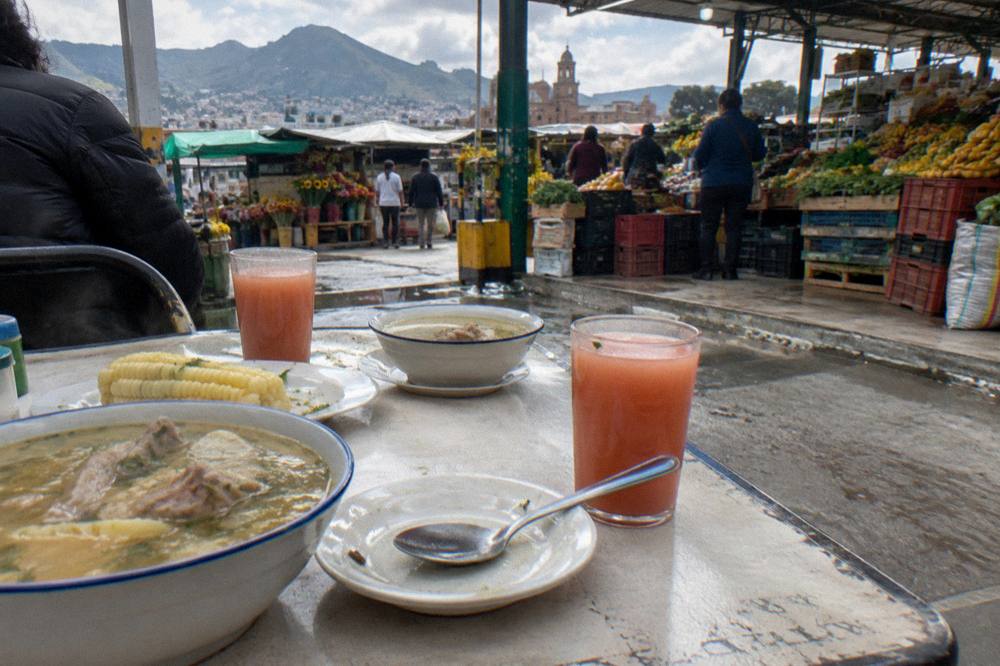
Two official notes are worth having in your pocket. Street-food guidance from the Bogotá health secretariat, repeated in its October 2026 holiday advice, is common sense: buy from formal or authorised stalls and check packaging condition. And the city's own plant-based push matters more than you would guess: about 36 percent of Bogotá restaurants offer vegan or vegetarian options, per the district's 2025 gastronomic plan, with dedicated spots concentrated in Chapinero and Zona G, so the district's vegan and vegetarian restaurant guide covers that base. For plant-based travellers, the vegetarian and vegan eating guide for Bogotá goes deeper, and dietary requests on tours should go to the operator before booking.
A note on how to read all of this: the restaurant scene here moves monthly, and this page describes styles by area as they were reported in late 2026, not a ranking. The reliable core of a first visit is a market morning, one chocolate santafereño in the centre, one booked dinner in Chapinero or Zona G, and a tasting walk to bind it together. If Bogota Food Tours had to compress all of that into a single recommendation, it would be the walk first and the reservations after.
Common Questions About Restaurants In Bogotá For First-Timers
Where Should First-Time Visitors Eat In Bogotá?
Split the trip between traditional cooking in La Candelaria and the market plazas, and one or two modern Colombian dinners in Chapinero, Zona G or Parque 93. A 4-hour tasting walk from $55 per person, rated 5.0 across 714 reviews, covers several kitchens at once on a short stay.
What Is The Signature Dish To Order?
Ajiaco santafereño, a chicken and three-potato soup with guascas herb, corn, avocado and cream. Local reporting from October 2026 points to the market plazas, such as 12 de Octubre, for the traditional version, with a medium reported around 23,700 COP on delivery menus as a price yardstick.
Is It Safe To Eat At Street Stalls And Markets?
Reported guidance from the Bogotá health secretariat is to buy from formal or authorised stalls and to check packaging and labelling. Market plazas are busy daytime places; La Candelaria is described in 2026 reports as fine on main streets by day, with pickpocket risk and advice against side streets alone after dark.
How Much Does Dinner Cost In Bogotá?
Casual plaza cooking sits in the low tens of thousands of pesos, and the city's own Bogotá Gourmet 2026 festival priced fixed two-person menus from 89,000 to 199,000 COP including drinks and multiple courses. Individual restaurants vary, so check current menus before booking.
Do You Need To Tip In Bogotá Restaurants?
The propina is voluntary and capped by law at 10 percent under Ley 1935 de 2018. Staff will ask whether to add it; most locals accept for good service, and you may decline or adjust. No tip is expected at street stalls or counters.
Can You Drink Tap Water In Bogotá?
Bogotá's tap water is officially potable and is the one Colombian city where foreign travel advice consistently says so. Some visitors still choose bottled water for taste reasons, but you do not need to budget for it the way you might in other parts of the country.