Bogotá Markets Beyond Paloquemao: Usaquén, La Perseverancia And Plaza De Las Hierbas
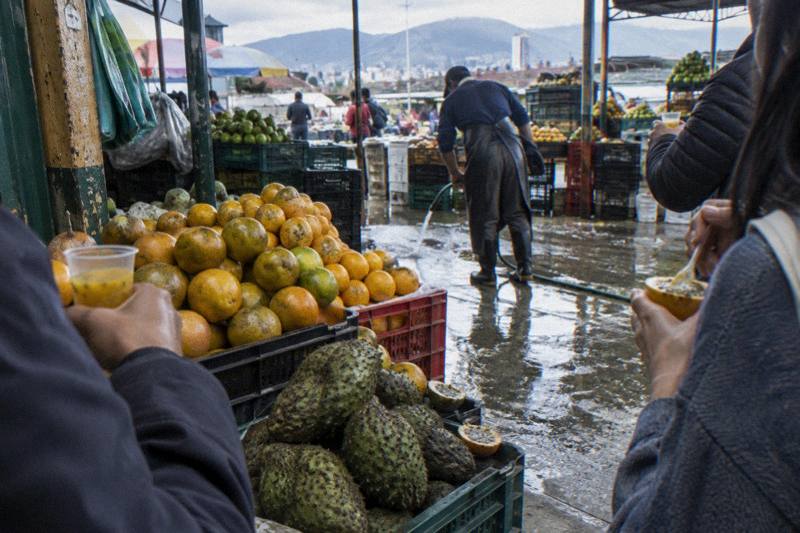
Paloquemao draws the early-morning crowds, but Bogotá’s market map stretches far beyond it. From a Sunday flea market with arepas and artisan crafts to a plaza where lunch is a steaming bowl of ajiaco and a nocturnal herb bazaar that opens after dark, these three markets show a different side of the city’s food culture.
Short answer
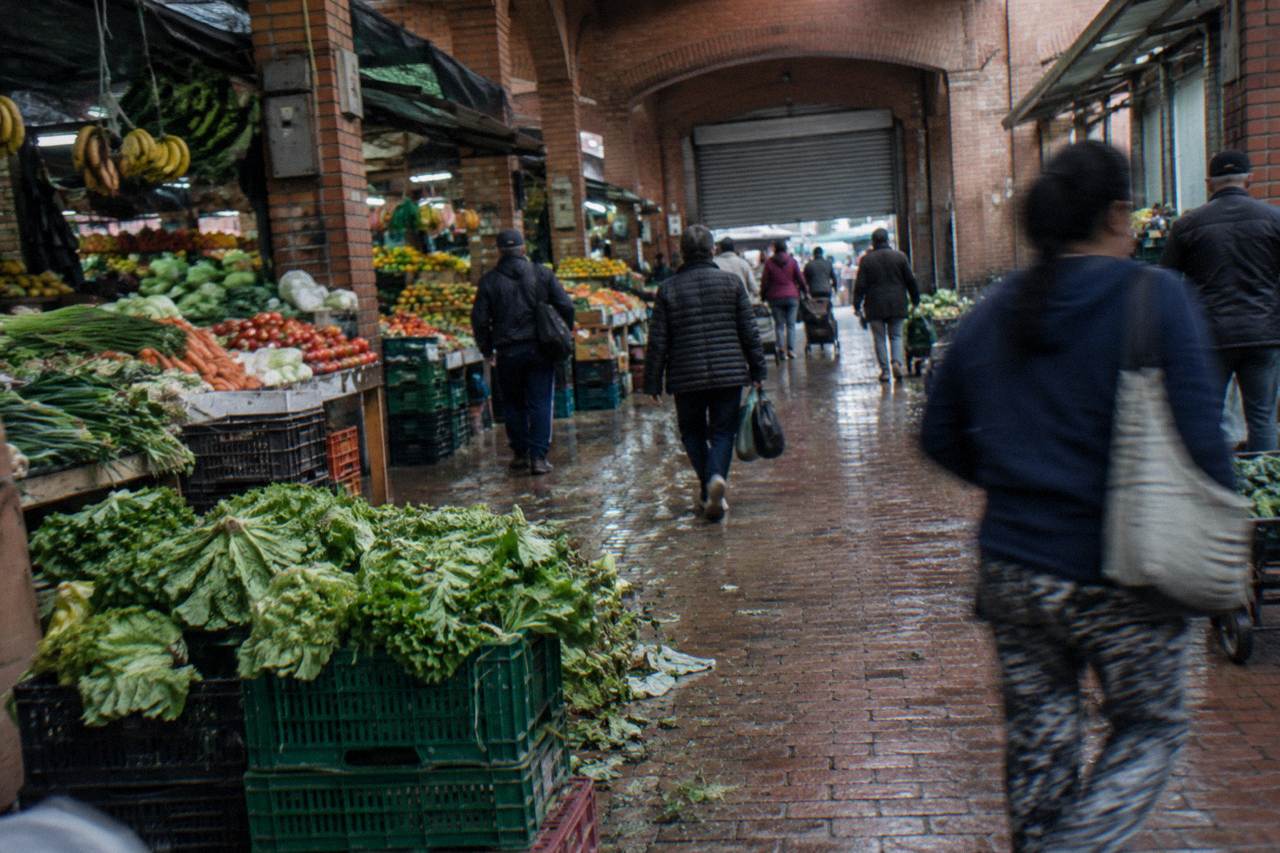
Beyond Paloquemao, three Bogotá markets stand out: Usaquén flea market (Saturdays, Sundays, and holiday Mondays 9:00 a.m. to 5:30 p.m.) for street food and crafts; La Perseverancia (daily) for traditional Colombian lunches like ajiaco and lechona; and Samper Mendoza (Mondays and Thursdays 9:00 p.m. to 5:00 a.m.) for herbs, medicinal plants, and a one-of-a-kind nocturnal atmosphere.
Most visitors to Bogotá hear about Paloquemao first. Its wholesale energy, towering piles of lulo and granadilla, and the flower hall that closes by 11:00 a.m. make it the city’s poster-market. But Bogotá’s market scene runs deeper. Three other plazas offer something Paloquemao does not: a weekend flea market with street food in the northern district of Usaquén, a lunchtime gathering of family-run stalls serving the city’s most traditional dishes at La Perseverancia, and a nighttime herb market at Samper Mendoza that opens when the rest of the city sleeps. Each one rewards a different kind of visit, and together they give a fuller picture of how Bogotá shops, cooks, and eats. For a broader look at the city’s food scene, resources like Bogota Food Tours can help you pair market visits with guided tasting walks.
What Are The Best Markets In Bogotá Beyond Paloquemao?
Bogotá’s top markets beyond Paloquemao are the weekend Usaquén flea market in the north for crafts and food, La Perseverancia for daily traditional lunches like ajiaco and lechona, and Samper Mendoza, a nocturnal herb and plant bazaar open Monday and Thursday nights.
Usaquén’s Mercado de las Pulgas runs Saturdays, Sundays, and holiday Mondays from 9:00 a.m. to 5:30 p.m. along Carrera 6A between Calles 119 and 120A. It combines artisan stalls, vintage finds, and a stretch of food vendors selling arepas, fresh fruit with salt and lime, empanadas, and hot chocolate. La Perseverancia, a few blocks east of the Centro Internacional, operates Monday through Friday from 8:00 a.m. to 4:00 p.m. and on weekends from 6:00 a.m. to 5:00 p.m. Inside, dozens of small kitchens serve ajiaco santafereño, lechona, mute santandereano, mondongo, and fritanga, all cooked by the same families who have run the stalls for decades. Samper Mendoza, known as the Plaza de las Hierbas, opens only on Monday and Thursday nights from 9:00 p.m. to 5:00 a.m. It is Bogotá’s main wholesale hub for aromatic, medicinal, and esoteric plants, with over 500 species documented, 391 of them native to Colombia. No other market in the city offers this combination of nocturnal hours and botanical depth.
Usaquén Flea Market: What To Eat And Buy On A Sunday
On a Sunday at Usaquén Flea Market, browse stalls of handmade jewelry, leather goods, and vintage clothing, then refuel with street-food favorites: arepas de choclo, obleas, fresh-cut mango with lime, and thick hot chocolate, all while the colonial streets are closed to traffic.
The food at Usaquén is casual and meant to be eaten while walking. Arepas, both the sweet yellow corn variety and the flatter white kind topped with cheese, cost a few thousand pesos. Fruit carts offer mango, papaya, and pineapple, often sprinkled with salt and a squeeze of lime. Hot chocolate, sometimes served with a chunk of cheese to melt into it, is a Bogotá staple that appears at several stands. The market’s official hours are Saturdays, Sundays, and holiday Mondays from 9:00 a.m. to 5:30 p.m., though the best selection of both crafts and food is usually between 10:00 a.m. and 2:00 p.m. The market’s official site confirms the schedule and location.
Beyond the stalls, Usaquén itself is worth a wander. The plaza in front of the Santa Bárbara church fills with families, and the surrounding streets hold cafés and restaurants that spill onto the sidewalks. While Usaquén does not have a dedicated food-tour circuit, its weekend market pairs naturally with a guided food walk that covers Bogotá’s broader street-food scene. A tour that includes a dozen tastings across the historic center, for example, can give you the context to appreciate what you find at the flea market on your own. For a deeper look at Bogotá’s street-food culture, see our street food guide.
For a deeper dive into Bogotá’s street food, a guided walk through the historic center pairs well with a self-guided market morning. The tours featured above each include multiple tasting stops and introduce dishes you are likely to encounter again at the flea market.
Colombian coffee deserves a place on any Usaquén weekend, and several short tastings around the city fit easily around a market visit. The Bogota: Colombian Coffee Tasting runs about two hours at roughly US$31.15 per person, while the Bogota: Coffee tasting tour compresses the essentials into a single hour for about US$20, the cheapest entry point among them. A Coffee Tasting Experience Tour with Exotic Varieties, 1.5 hours at about US$37.71, introduces unusual single-origin coffees you are unlikely to find at home. All three are brief enough that you could sample a few brews in the morning and still reach Usaquén while the stalls are at their fullest, and even the longest of the three fits inside the gap between an early breakfast and a late market lunch.
If you would rather pair coffee with chocolate, there are options at several price points. The Coffee and Chocolate tour in Bogota lasts 2 hours 15 minutes and costs about US$49, giving the country’s two best-known exports equal billing on one walk. Specialty Coffee Workshops in Bogota, also about two hours at US$49.95, takes a workshop approach you can carry home to your own kitchen. The private Bogota Coffee & Chocolate Tour in La Candelaria runs four hours from around US$112, with the price varying by group size, and suits travelers who want a guide to themselves. Those with a spare day can book the Coffee Farm Experience Day Tour, an 8-hour outing at about US$94 that trades city streets for the farm where the beans begin.
On cost, the spread is wide but predictable. The shortest tasting starts near US$20, mid-length options cluster between roughly US$31 and US$50, the private four-hour tour begins around US$112 with the price varying by group size, and the full farm day sits at about US$94. Ratings across these coffee-and-chocolate listings run from 4.4 to 5.0, so quality stays consistent; the real question is how much time you have. The one-hour and 1.5-hour tastings slide into a Sunday without displacing anything else. The two-hour options work better on a separate morning, since the market is best enjoyed without a reservation hanging over the afternoon. The eight-hour farm day belongs on a day with nothing else planned, as it is the one option that leaves Bogotá altogether. A morning spent learning to taste coffee also sharpens the afternoon at Usaquén, where every stand pouring something hot suddenly has a bit more to say.
La Perseverancia Market: Bogotá’s Traditional Lunch Counter
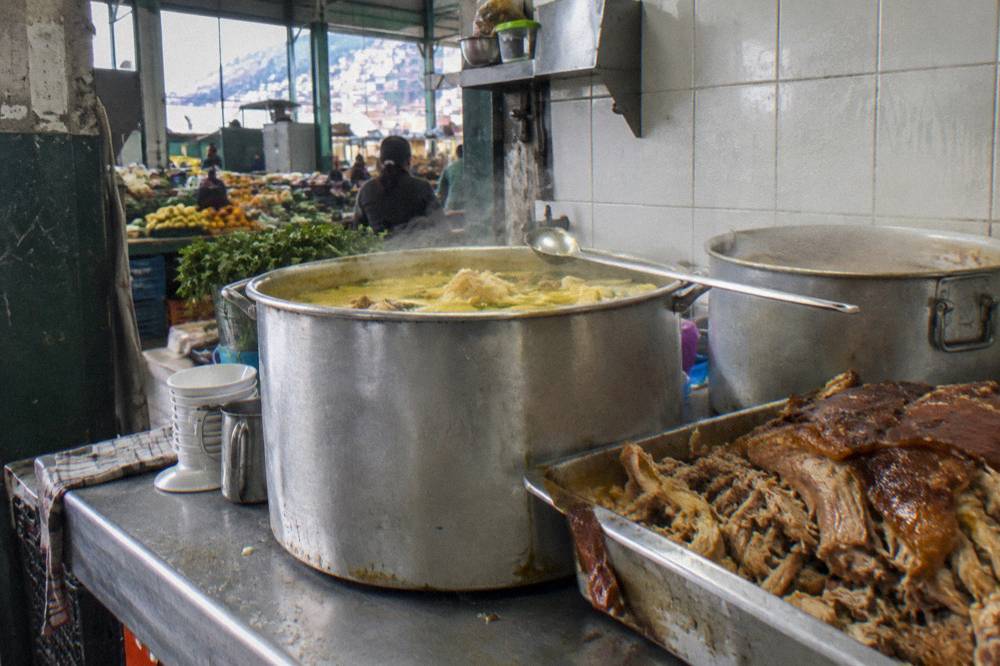
La Perseverancia Market is Bogotá’s traditional lunch counter, a lively food hall where generations of local families serve classic Colombian dishes like ajiaco, lechona, and bandeja paisa at long communal tables. Open daily from mid-morning to late afternoon, it draws the biggest crowds between noon and 2:00 p.m.
The stalls at La Perseverancia are small, tiled kitchens with hand-painted signs. Each specializes in one or two dishes. The ajiaco here is a rich chicken-and-potato soup thickened with guascas, a native herb, and served with capers, cream, and avocado on the side. Lechona, a whole roasted pig stuffed with rice and peas, is another Perseverancia classic, often sold by the plate or in generous portions for sharing. Mute santandereano, a hearty soup from the Santander region, and mondongo, a tripe stew, round out the menu for diners who want to go deeper into regional cooking. Prices are not listed on any single menu, but a full lunch with a drink typically runs in the tens of thousands of pesos, far less than a restaurant meal in Zona G or Chapinero. For more on ajiaco and where to find it, read our guide to Bogotá’s signature soup.
Because La Perseverancia is a working market rather than a tourist attraction, few organized food tours stop here. A cooking class that starts with a market visit to La Perseverancia, however, lets you shop for ingredients alongside a local chef before preparing dishes like ajiaco or arepas. That kind of experience bridges the gap between market browsing and hands-on learning. The Paloquemao Market Food Tour offers a similar guided introduction to market produce and snacks, and it can serve as a foundation for exploring La Perseverancia on your own afterward.
Samper Mendoza: The Nighttime Herb And Plant Market
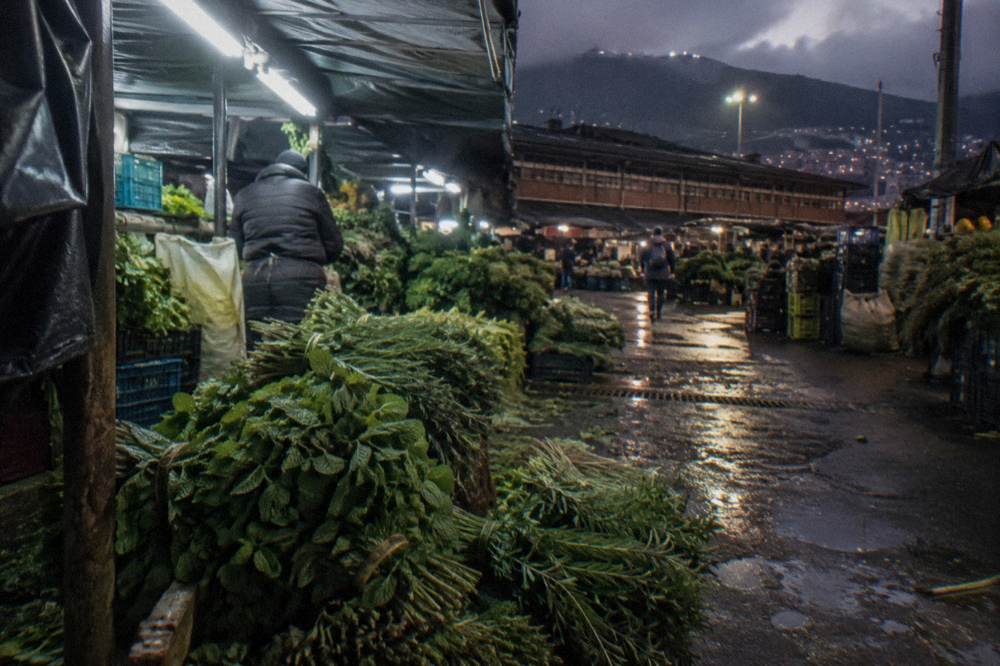
Samper Mendoza is Bogotá’s nocturnal wholesale herb market, open only on Monday and Thursday nights from 9:00 p.m. to 5:00 a.m., and the city’s primary hub for aromatic, medicinal, and esoteric plants, with over 500 documented species, 391 native to Colombia, creating a botanical bazaar atmosphere unlike any daytime plaza.
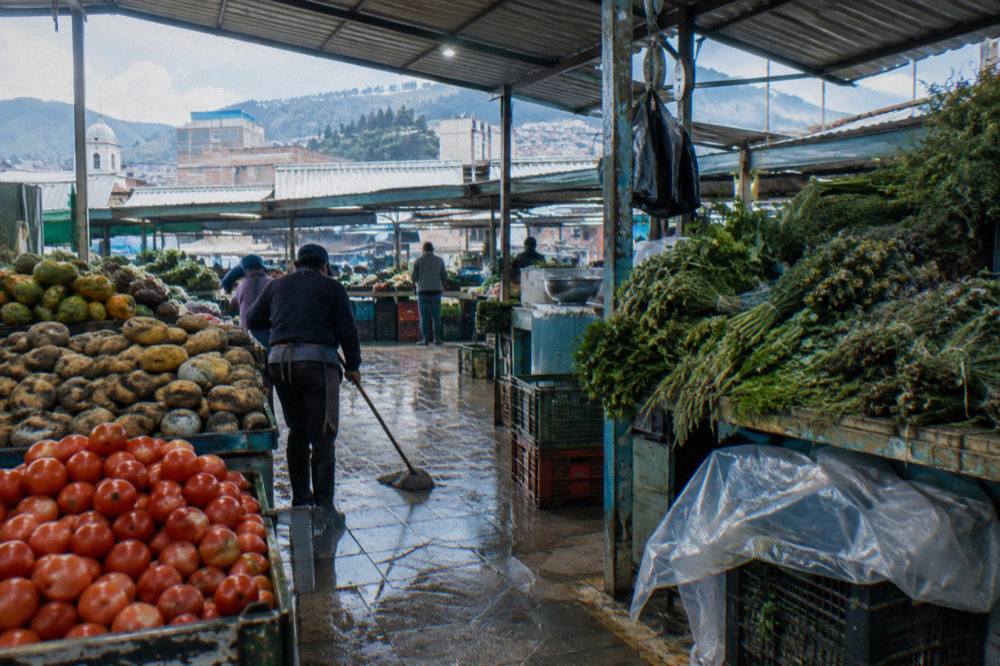
The market’s narrow aisles are lined with bundles of fresh herbs: ruda, romero, manzanilla, and dozens of plants used in traditional remedies and limpias (spiritual cleansings). Vendors, many of whom have been selling here for decades, can explain the uses of each plant, from teas for altitude sickness to herbs for cooking sancocho. The air is thick with the scent of eucalyptus and mint, and the fluorescent lights give the whole scene a slightly surreal glow. Samper Mendoza was featured in the 2026 Ruta Turística de las Plazas Distritales de Mercado, a city initiative that highlights seven markets for their cultural and gastronomic value. Everything else covered here is indexed on Bogota Food Tours.
Because the market deals primarily in plants and herbs rather than prepared food, it is not a typical stop on a food tour. However, a guided fruit tasting at Paloquemao shares a similar spirit of discovery: both experiences dive deep into Colombia’s biodiversity, one through plants and the other through exotic fruits. If you are planning a market-focused trip, visiting Samper Mendoza on a Thursday night and Paloquemao the next morning makes for a memorable 12-hour market crawl.
How To Visit Bogotá’s Markets Safely And On The Right Day
To visit Bogotá’s markets safely and on the right day, head to Usaquén on Sundays for a secure, daytime stroll, take a taxi to La Perseverancia for a bustling weekday lunch, and only visit Samper Mendoza at night with a pre-arranged ride, avoiding the surrounding streets after dark.
Safety in Bogotá’s markets follows the same rules as the rest of the city. Keep your phone out of sight, avoid displaying large amounts of cash, and stay on main streets and well-lit areas. In La Perseverancia, the market is safe during operating hours, but the blocks immediately around it can be empty on weekends; a taxi from the market entrance is the simplest exit. For Samper Mendoza, the late-night schedule means public transport is limited, so a ride-hailing app or a pre-booked driver is the only practical option. The US State Department’s travel advisory for Colombia remains at Level 3 (Reconsider Travel), issued March 31, 2026, with no specific warning for Bogotá’s market districts. The UK FCDO advises against all but essential travel to certain departments, none of which include Bogotá. Conditions can change, so check the latest advice before your trip.
Market hours are fixed but worth double-checking on the day. Usaquén flea market runs Saturdays, Sundays, and holiday Mondays 9:00 a.m. to 5:30 p.m. La Perseverancia is open Monday to Friday 8:00 a.m. to 4:00 p.m., Saturdays and Sundays 6:00 a.m. to 5:00 p.m. Samper Mendoza operates Monday and Thursday nights only, 9:00 p.m. to 5:00 a.m. Paloquemao, for reference, opens Monday to Saturday 4:30 a.m. to 4:30 p.m. and Sundays and holidays 5:00 a.m. to 4:30 p.m., with the flower hall closing at 11:00 a.m. daily. Paloquemao’s official site confirms these hours.
Comparing Bogotá’s Markets: Hours, Vibe, And What To Eat
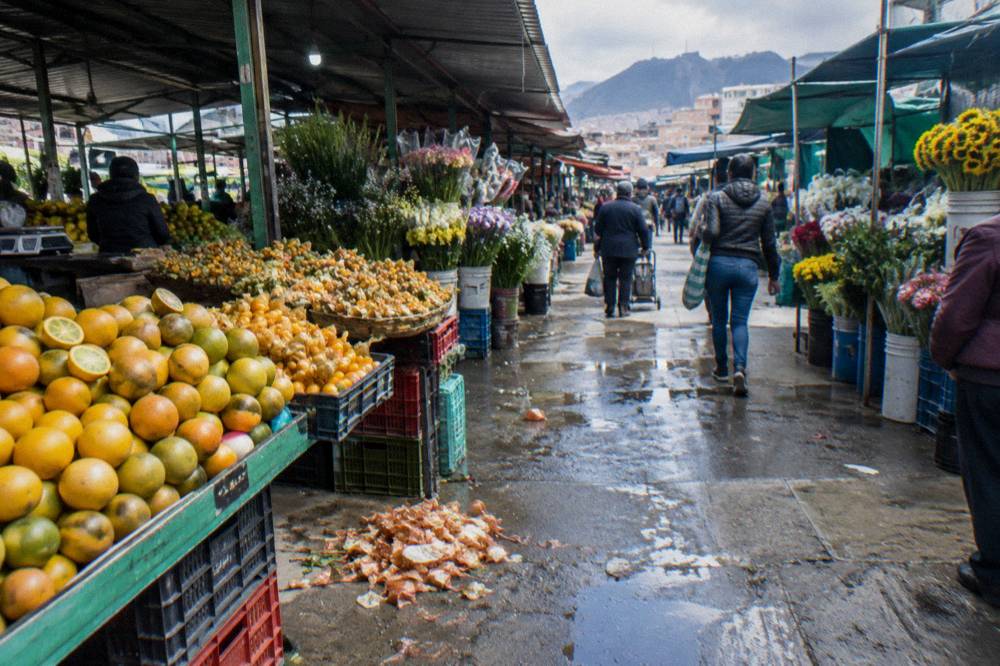
The four main markets in Bogotá, Paloquemao, Usaquén, La Perseverancia, and Samper Mendoza, serve different purposes and suit different types of visitors. Paloquemao is the early-morning produce and flower powerhouse, Usaquén is a relaxed weekend flea market with street food, La Perseverancia is a lunchtime destination for traditional cooked dishes, and Samper Mendoza is a nocturnal herb bazaar with no prepared food. The tables below lay out the key differences at a glance.
| Market | Days Open | Hours | Best For |
|---|---|---|---|
| Paloquemao | Mon to Sat (Sun and holidays shorter) | 4:30 a.m. to 4:30 p.m. (Sun 5:00 a.m. to 4:30 p.m.) | Exotic fruit, wholesale produce, flowers (until 11:00 a.m.) |
| Usaquén | Sat, Sun, holiday Mon | 9:00 a.m. to 5:30 p.m. | Crafts, vintage, street food |
| La Perseverancia | Daily | Mon to Fri 8:00 a.m. to 4:00 p.m., Sat to Sun 6:00 a.m. to 5:00 p.m. | Sit-down traditional lunches |
| Samper Mendoza | Mon, Thu nights only | 9:00 p.m. to 5:00 a.m. | Herbs, medicinal plants, esoteric goods |
| Market | Food Focus | Vibe |
|---|---|---|
| Paloquemao | Fruit tastings, juice stalls, snack vendors | Bustling wholesale energy, best before 10:00 a.m. |
| Usaquén | Arepas, empanadas, hot chocolate, fresh fruit | Relaxed weekend stroll, family-friendly |
| La Perseverancia | Ajiaco, lechona, mute, mondongo, fritanga | No-frills lunch counters, local and authentic |
| Samper Mendoza | No prepared food; herbs and plants only | Nocturnal, botanical, quiet and atmospheric |
Paloquemao is the only market of the four with a strong network of guided food tours. The other three are more self-guided experiences, though a cooking class that includes a Perseverancia market visit or a fruit-tasting tour at Paloquemao can add structure to your market exploration. A private Paloquemao tour with 25-plus tastings, for example, dives deep into the fruit and snack stalls that casual visitors often miss. If you want a guided introduction to Bogotá’s produce and street food before tackling the markets on your own, a Paloquemao walk is the most practical starting point.
| Tour Name | Duration | From USD | Rating (Reviews) | Market Focus |
|---|---|---|---|---|
| PALOQUEMAO MARKET FOOD TOUR. EXOTIC FRUIT. LOCAL SNACKS. /Min 2 pax | 3 hours | $82 per person | 4.9 (71 reviews) | Paloquemao fruit and snacks |
| Viejo Bogota Food Tour with 12+ Tastings | 4 hours | $55 per person | 5.0 (714 reviews) | Historic center street food, some market stops |
| Bogotá: True Colombian Walking Tour + Local Snacks | 2 to 3 hours | $54.68 per person | 4.9 (130 reviews) | Street food and local snacks, not market-focused |

Because the four markets keep such different hours, the calendar does much of the planning for you. Samper Mendoza opens only on Monday and Thursday nights, from 9:00 p.m. to 5:00 a.m., so those two evenings are fixed points you build around. Usaquén runs Saturday, Sunday, and holiday Mondays from 9:00 a.m. to 5:30 p.m., which makes it a weekend slot. Paloquemao trades Monday to Saturday from 4:30 a.m. to 4:30 p.m., with shorter Sunday and holiday hours, so it wants a weekday morning. La Perseverancia is the one that opens daily, which makes it the reliable fallback when the others are shut. A Monday or Thursday that starts at Paloquemao before 10:00 a.m. and finishes at Samper Mendoza after 9:00 p.m. covers both in a single day.
Plan meals around the food columns rather than the clock alone. Paloquemao's fruit tastings, juice stalls, and snack vendors are at their best before 10:00 a.m., and the flower section winds down by 11:00 a.m., so an early start pays off twice. Usaquén is built for grazing while you walk: arepas, empanadas, hot chocolate, and fresh fruit in a relaxed, family-friendly setting. La Perseverancia is the sit-down option, with ajiaco, lechona, mute, mondongo, and fritanga served at no-frills lunch counters. Its weekday service ends at 4:00 p.m., and weekends run 6:00 a.m. to 5:00 p.m., so it works as lunch rather than dinner. Samper Mendoza sells herbs and plants only, with no prepared food, so eat before you arrive and treat the visit as a slow walk-through rather than a meal.
The three tours differ in shape as much as in price. The Paloquemao tour is the shortest at three hours and the most expensive at $82 per person, and it requires a minimum of two people. The Viejo Bogotá tour is the longest at four hours, carries the largest review base at 714, and spreads its 12-plus tastings across the historic center rather than a single market. The walking tour sits in between at two to three hours and $54.68 per person, and its focus is street food and local snacks rather than market stalls. If you have only a half-day free, the shorter options fit; if the markets themselves are the reason for the trip, the three-hour Paloquemao slot is the closest match.
Common Questions About Bogotá Markets
What Is The Best Market In Bogotá For Traditional Colombian Food?
La Perseverancia is the best market for traditional cooked dishes like ajiaco, lechona, and mute santandereano. Family-run stalls cook these dishes, and the market is open daily: Monday to Friday 8 a.m. to 4 p.m., Saturday and Sunday 6 a.m. to 5 p.m.
Is Usaquén Flea Market Open Every Day?
Usaquén flea market is open only on Saturdays, Sundays, and holiday Mondays from 9:00 a.m. to 5:30 p.m. It is not open on weekdays, and the best selection of food and crafts is typically between 10:00 a.m. and 2:00 p.m.
Can I Visit Samper Mendoza Market During The Day?
Samper Mendoza is a nocturnal market that operates only on Monday and Thursday nights from 9:00 p.m. to 5:00 a.m. There is no daytime access, and the market is closed on all other days.
Which Bogotá Market Is Best For Exotic Fruits?
Paloquemao is the best market for exotic fruits. Its wholesale section and fruit stalls offer granadilla, lulo, uchuva, and dozens of other varieties, and several guided food tours include fruit tastings there.
Are Bogotá’s Markets Safe For Tourists?
Market visits in daylight are a routine part of most Bogotá food tours, and standard precautions apply: keep valuables out of sight, avoid empty side streets, and use a taxi or ride-hailing app to arrive and leave, especially at night. Samper Mendoza requires extra care given its late-night schedule.
What Is The Difference Between Paloquemao And La Perseverancia?
Paloquemao is a produce and flower market with some food stalls, best visited early in the morning. La Perseverancia is a prepared-food market where visitors sit down to eat traditional Colombian lunches like ajiaco and lechona, with no produce focus.