Does Colombia Have Vegan Food?
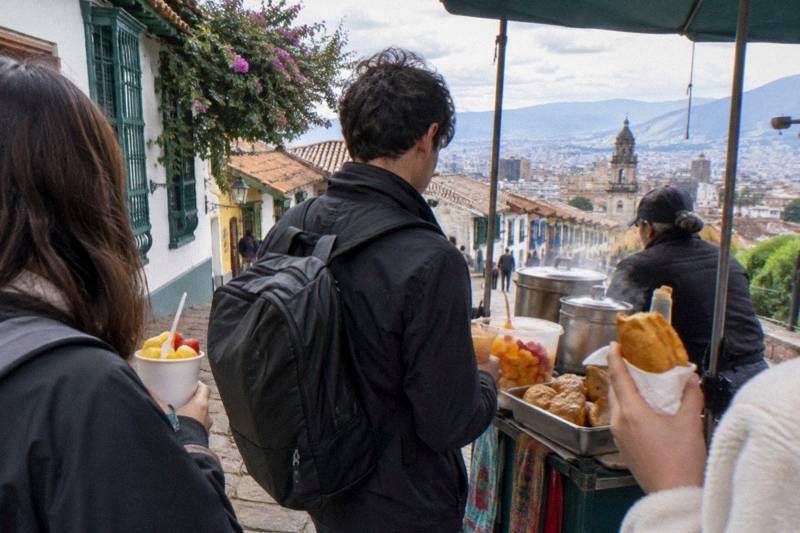
Yes, Colombia has vegan food, and Bogotá is where the plant-based scene is deepest. Here is what to eat, where to find it, and how a food walk fits a vegan visit.
Colombian food has a reputation built on lechona, chicharrón and slow-cooked meats, and that reputation is earned. But the same cuisine rests on a base of beans, corn, plantain, yuca, potatoes and tropical fruit that predates any of the meat dishes, and in Bogotá a modern plant-based scene has grown on top of it. Roughly 36 percent of restaurants in the city offer vegan or vegetarian menu options, according to the district's own gastronomic reporting, and dedicated vegan restaurants have multiplied in Chapinero and Zona G.
That combination, an old plant-based foundation plus a new wave of vegan kitchens, is what makes the question worth answering properly. It is one thing for a country to have a salad you can order; it is another for a visitor to eat three interesting meals a day without negotiating endlessly. Colombia, and Bogotá in particular, sits closer to the second case than most first-time visitors assume.
Yes. Colombia has vegan food at three levels: traditional dishes that are plant-based or easily made so, a reported 36 percent of Bogotá restaurants carrying vegan or vegetarian menu options, and dedicated vegan restaurants concentrated in Chapinero, Zona G and Usaquén. A visitor eating vegan in Bogotá is not surviving on sides; there are full menus built for them.
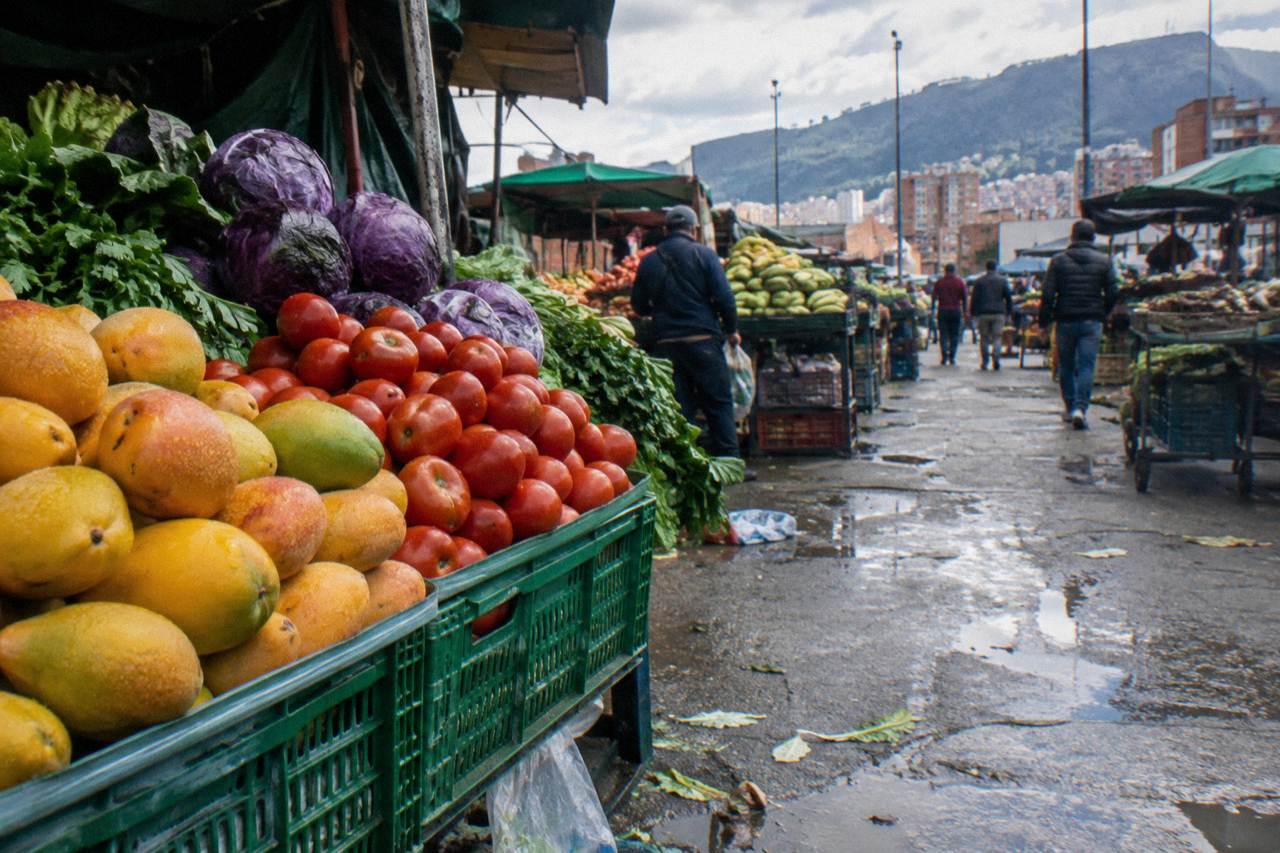
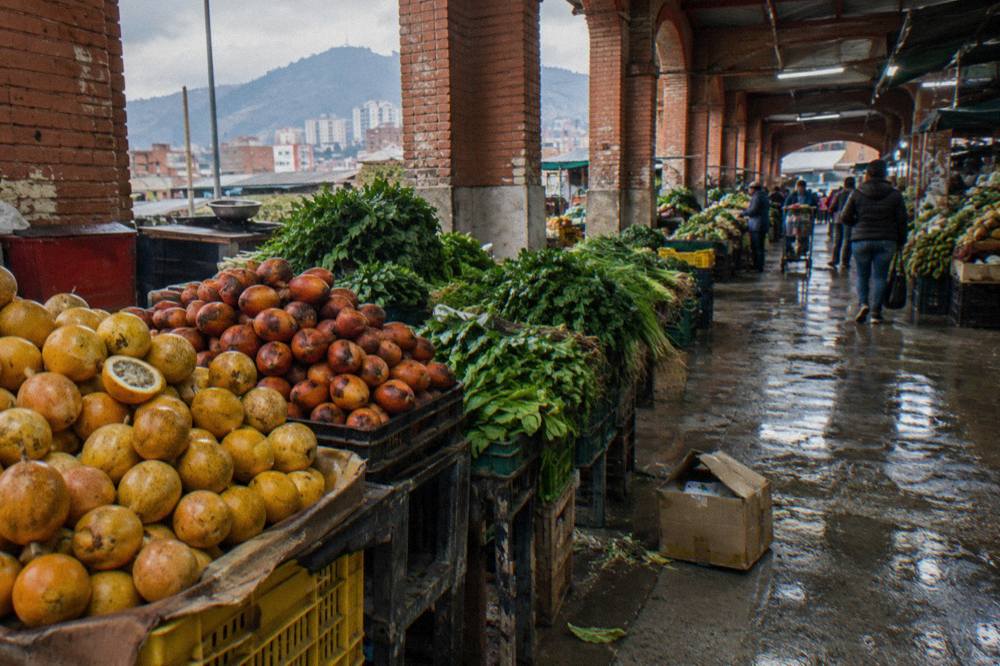
Start with the base layer, because it is the one that surprises people. Long before anyone said the word vegan, Colombians were eating their way through an enormous catalogue of fruit, corn doughs, tubers and beans. A market morning at Paloquemao delivers granadilla, lulo, uchuva, maracuyá, guanábana and a dozen other fruits eaten raw with nothing added. Arepas in their simplest form are corn, water and salt. Patacones are green plantain, flattened and fried. Frijoles, lentils and vegetable soups appear on ordinary lunch menus across the country every day.
The gaps are real too, and honesty about them matters. Ajiaco santafereño, the signature soup of Bogotá, is built on chicken. Tamal comes wrapped around pork and chicken. Lechona is pork, full stop. Traditional home cooking leans on meat stocks and long-simmered animal fats, which is why a vegan visitor cannot simply order "the local thing" everywhere and expect it to be animal-free. The trick is knowing which dishes were always yours, and which kitchens will adapt.
The third layer is where Bogotá stands out from the rest of the country. The district government publishes its own guide to vegan and vegetarian restaurants in the city, naming spots such as Maria Candela Vegan, Herbívoro and Pianta, mostly in Chapinero and the Zona G area. That is not a fringe blog list; it is the city's official tourism and culture machinery acknowledging that plant-based demand has grown enough to shape the dining scene.
For visitors who want structure on their first day rather than research, a guided food walk is a sensible first move. The Bogotá Food Experience: Cultural & Culinary Tour runs four hours from $47.15 per person and is rated 4.9 across 615 reviews, the deepest review pool of the cultural food walks compared here. No listing on the site is described as vegan, so the move is to message the operator before booking and ask what the walk can do for a plant-based diet. Many operators can steer tastings toward fruit, corn-based snacks and market produce, but that is a conversation to have before you pay, not an assumption to make on the street.
Which Traditional Colombian Dishes Are Already Plant-Based?
A solid core of Colombian dishes is vegan as made: plain arepas, patacones, coconut rice in the coastal style, lentil and bean stews, vegetable sancocho variants, grilled plantain, avocado with everything, and the entire fruit counter at any market. Others, like ajiaco, tamales and lechona, are not vegan and cannot casually be made so.
The honest division is between dishes built on corn, plantain and beans, and dishes built on stock and slow-cooked meat. The first group needs no adaptation. An arepa straight off the griddle with salt and a slab of avocado is breakfast anywhere in the country. Patacones with hogao, the tomato and spring onion sauce, are a side that doubles as a snack, though you should ask whether the hogao was finished with butter or meat stock, because home recipes vary. Lentils, frijoles rojos and the everyday vegetable soups of the highlands are common plate-lunch components.
The fruit situation deserves its own paragraph, because it is the single best answer to this whole question. Colombia grows fruit that most visitors have never seen, and in Bogotá the markets are the place to meet it. A juice bar can blend lulo, guanaba, mora or curuba with water or, if you are vegan, ask for it in water rather than milk, since many are traditionally made with leche. Reported street-cart prices in La Candelaria run about 4,000 COP for a lulo juice, with curuba in milk at about 5,000 COP, figures to treat as reported rather than fixed. The deeper dive is our guide to Colombian fruits to try in Bogotá, which walks through what each one tastes like and how to order it.
Where the cuisine does not travel with you is the festive food. Sunday tamales, festival lechona, chicharrón and the famous ajiaco are meat-centred by definition, and a vegan visitor should treat them as culture to observe rather than plates to order. Our overview of what to eat in Bogotá, traditional dishes covers the full panorama, including which of the classics contain meat or dairy.
| Dish or item | Vegan as made? | Notes for plant-based visitors |
|---|---|---|
| Arepa (plain, grilled) | Yes | Corn, water, salt; ask about cheese-filled versions |
| Patacones | Yes | Fried green plantain; check the accompanying hogao |
| Coconut rice (coastal style) | Often | Traditional versions may use butter; ask |
| Lentil and bean stews | Usually | Ask whether meat or pork flavours the base |
| Fresh fruit and juices in water | Yes | Ask for juice "en agua", not "con leche" |
| Avocado with salt | Yes | A universal companion plate |
| Ajiaco santafereño | No | Chicken-based soup, not adaptable casually |
| Tamal | No | Pork and chicken are integral |
| Lechona | No | Whole roasted pork dish |
| Chocolate santafereño | No | Hot chocolate with cheese melted in |
Where Should A Vegan Eat In Bogotá?
Chapinero, Zona G and Usaquén carry the deepest concentration of dedicated vegan restaurants and vegan-friendly kitchens in Colombia, with Chapinero Alto singled out globally in 2026 for its food scene. La Candelaria has fewer dedicated options but market fruit and simple corn-based snacks are everywhere.
The geography matters, because a vegan visitor choosing where to stay is effectively choosing how easy the trip will be. Chapinero is the centre of gravity: the district's own vegan restaurant guide lists its names there, the specialty coffee and brunch culture of Chapinero Alto has grown around the same customers, and Time Out's 2026 ranking put that neighbourhood among the coolest in the world. Zona G, the gastronomic pocket a few blocks east, mixes high-end kitchens with plant-forward menus. Usaquén, with its Sunday market, adds food stalls selling arepas, fresh-cut fruit and empanadas on weekend days.
A practical pattern for a first visit is to base near Chapinero for the vegan restaurants, spend days in La Candelaria for the museums and markets, and eat there from the fruit and corn end of the cuisine rather than hunting a dedicated vegan kitchen in the historic centre. Paloquemao market, which our Paloquemao market food guide covers in depth, is a short ride from the centre and is the single best place in the city for fruit, juices and vegetables. Market browsing costs nothing beyond what you buy, and vendors regularly offer tastes of exotic fruit like granadilla and uchuva in the morning hours.
The city's official reporting on vegan dining is worth reading directly; the district publishes a plant-based gastronomic guide at its vegan and vegetarian restaurants page, and the figures cited here trace back to it. Festival evidence points the same direction: the VegUp! Plant Based Fest drew more than 40 participating restaurants across Bogotá, Medellín and Cali in autumn 2026, with bowls at a fixed 21,000 COP, as covered by the festival's coverage. A city with a plant-based restaurant festival is not a city where vegan visitors go hungry.
For a structured market morning, the shared fruit tour at Paloquemao is a good fit for plant-based travellers, since fruit is the one tasting category with no animal products in it. It runs three hours from $50.17 per person, rated 4.6 across 32 reviews.
Can You Take A Food Tour As A Vegan?
Yes, with one honest caveat: no food tour compared on this site is described in its listing as vegan, so the correct move is to message the operator before booking and ask what they can adapt. Fruit, arepas, patacones and market produce are the usual pivot points, and private tours adapt furthest since the menu is yours.
This is the part of the question where careless reading leads to a disappointing afternoon. A 12-tasting walk through the historic centre is a brilliant four hours, and the Viejo Bogota Food Tour with 12+ Tastings is the most reviewed food walk compared here at 5.0 across 714 reviews, from $55 per person. But a tasting menu built around the city's classic snacks will include cheese, meat or eggs at some stops, and a vegan who books without asking may spend the tour watching other people eat. The same caution applies to dairy and gluten concerns: no listing here is described as gluten-free either, so message the operator with specifics rather than hoping. The full index of guides sits on Bogota Food Tours.
The format that adapts best is a private cooking class, because you are the client and the menu is negotiable in advance. The Private Colombian Cooking Class and Market Tour runs four hours from $95 per person, price varying by group size, rated 5.0 across 52 reviews. A class like this starts in the market choosing produce and ends at the stove, which is exactly the shape of a day a vegan visitor can steer toward beans, plantains, arepas and vegetables rather than accepting a fixed menu. The operators report the market visit and the cooking session as the core of the experience; whether the dishes can be made plant-based is a question for the booking conversation.
A middle path is coffee and chocolate, the two Colombian products that are naturally plant-based before anyone intervenes. The Coffee and Chocolate Tour in Bogotá runs 2 hours 15 minutes from $49, rated 5.0 across 79 reviews. Chocolate is the honest caveat there: traditional Colombian hot chocolate is served with cheese melted into it and often made with milk, but black coffee and plain cacao tastings are inherently vegan. Ask the operator what the tasting includes before booking rather than assuming either way.
Our dedicated page on vegetarian, vegan and gluten-free food in Bogotá carries the deeper detail on which neighbourhoods and formats work best for each of those diets, including the questions worth asking any operator before you book.
What Does A Vegan Day Of Eating In Bogotá Look Like?
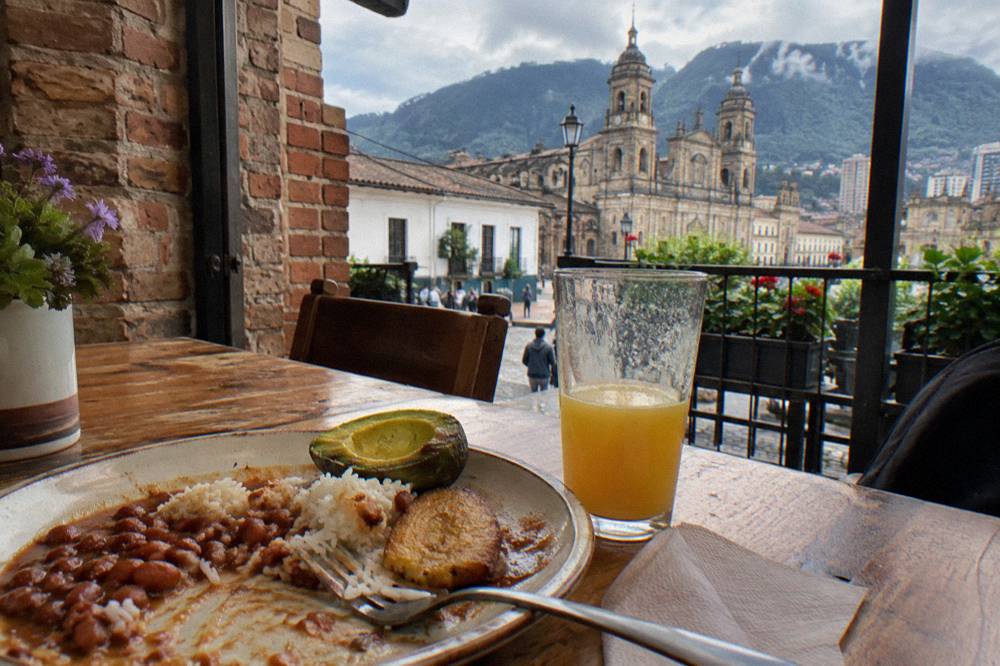
A realistic plant-based day runs: fruit and an arepa for breakfast, a market morning or museum walk, a plate lunch built on beans, rice, plantain and avocado, an afternoon juice stop, and a dedicated vegan restaurant in Chapinero for dinner. Every component exists in the city today without special ordering heroics.
Breakfast is the easiest meal. A plain arepa with avocado and salt, or fresh fruit, fits the way the city already eats; the traditional changua is a milk-and-egg soup, so it is off the list, but a corn cake and a lulo juice in water are not compromises, they are breakfast. Our Bogotá breakfast guide, changua, calentado and tamal covers the morning landscape, including which classics contain animal products.
Lunch is the main meal in Colombia, and the standard format, a protein with rice, beans, plantain, salad and soup, is more adaptable than it looks. The trick is asking for the plate without the meat and expecting the sides to carry it: beans, rice, patacón, avocado and a small salad. Quality varies by kitchen, which is where the dedicated vegan restaurants of Chapinero win, since they build the whole plate for you rather than subtracting from it.
Afternoons belong to juice. Bogotá's juice culture is one of the genuine pleasures of the city, and a visitor who learns to order "en agua" instead of "con leche" unlocks a dozen flavours a day at street prices in the low thousands of pesos, reported at around 4,000 to 5,000 COP per cup at central stalls. Dinner in Chapinero or Zona G closes the day at a plant-based restaurant with a full menu, something the city could not reliably offer a decade ago and now can at several price points.
One practical note on logistics: the Bogotá altitude of about 2,640 m argues for the light-meal, high-hydration approach anyway, and a fruit-and-plantain day suits it. The tap water is officially potable, though some visitors still choose bottled, so hydration is easy either way.
What Should Vegans Know Before Booking?
Three things: no tour listing compared here is described as vegan, so message operators before booking; traditional festive dishes are meat-based and should be treated as culture to observe; and the strongest plant-based experiences are market fruit tours, cooking classes with a negotiated menu, and the dedicated restaurants of Chapinero.
The booking conversation deserves a line of its own, because it is the difference between a good tour and a frustrating one. Ask specifically: can tastings be substituted, which stops have animal products, is there a surcharge for a modified route, and is the guide told in advance. Operators who handle dietary requests regularly will answer plainly. The 4-Hour Cultural Food Walk link beside the Bogotá Food Experience tour page is the place to send those questions, and the free-cancellation terms on most of these walks mean asking costs nothing.
Budget-wise, the formats discussed here span from a $17.71 shared street-food walk to a $95 private cooking class, with the cultural food walks in the middle, from $47.15 to $55 per person. Which one suits a vegan is less about price and more about which menu can flex, and a fruit-focused market tour flexes by nature while a fixed tasting walk needs the operator's cooperation.
| Tour | Format | From (USD) | Rating and reviews | Vegan approach |
|---|---|---|---|---|
| Bogotá Food Experience: Cultural & Culinary Tour | 4-hour guided walk | $47.15 per person | 4.9 across 615 reviews | Message operator to adapt tastings |
| Viejo Bogota Food Tour with 12+ Tastings | 4-hour tasting walk | $55 per person | 5.0 across 714 reviews | Fixed menu; ask before booking |
| Private Colombian Cooking Class and Market Tour | 4-hour private class | $95, varies by group size | 5.0 across 52 reviews | Menu negotiable in advance |
| Shared Tour of Colombian Exotic Fruit at Paloquemao | 3-hour shared market tour | $50.17 per person | 4.6 across 32 reviews | Fruit-based by nature |
| Coffee and Chocolate Tour in Bogota | 2 hr 15 min tasting | $49 per person | 5.0 across 79 reviews | Black coffee and cacao are plant-based |
The pattern in that table is the honest summary of this whole article. Colombia's vegan answer is real but it is not uniform: it is strongest where fruit, market produce and modern kitchens meet, and thinnest where fixed traditional menus rule. A visitor who books the right format, or asks the right question before booking the wrong one, eats very well indeed. This is the lens Bogota Food Tours applies to every walk it covers, plant-based or not: what the listing actually includes, not what a headline implies.
Common Questions About Vegan Food In Colombia
Does Colombia Have Vegan Food?
Yes. Traditional Colombian cuisine includes many plant-based staples, including arepas, patacones, beans, lentils and an extraordinary fruit culture, and Bogotá adds a modern layer of dedicated vegan restaurants, with a reported 36 percent of the city's restaurants offering vegan or vegetarian menu options.
Is Bogotá Good For Vegans?
Yes, by Colombian standards it is the best city in the country for plant-based eating. Dedicated restaurants such as Maria Candela Vegan, Herbívoro and Pianta are concentrated in Chapinero and Zona G, and the district government publishes its own guide to vegan and vegetarian dining.
Is Ajiaco Vegan?
No. Ajiaco santafereño is a chicken-based soup with potato varieties and corn, and it cannot casually be made vegan. A plant-based visitor should treat it, tamales and lechona as traditional dishes to learn about rather than order.
Can I Join A Bogotá Food Tour If I Am Vegan?
Usually yes, but ask first. No tour listing compared on this site is described as vegan, so message the operator before booking and ask which tastings can be adapted. Private cooking classes and fruit-focused market tours adapt furthest.
Are Colombian Juices Vegan?
Often, but not automatically. Many traditional juices are made with milk. Order yours "en agua", in water, rather than "con leche" to keep them plant-based.
Where Do Vegans Stay In Bogotá?
Chapinero is the strongest base for plant-based dining, with Zona G and Usaquén close behind. La Candelaria works for sightseeing but has fewer dedicated vegan restaurants, though market fruit and corn-based snacks are easy to find there.