Is It Safe To Walk At Zona Rosa At Night In Bogotá?
What 2026 reports say about walking in Zona Rosa after dark, how it compares with other neighborhoods, and what a guided evening adds.
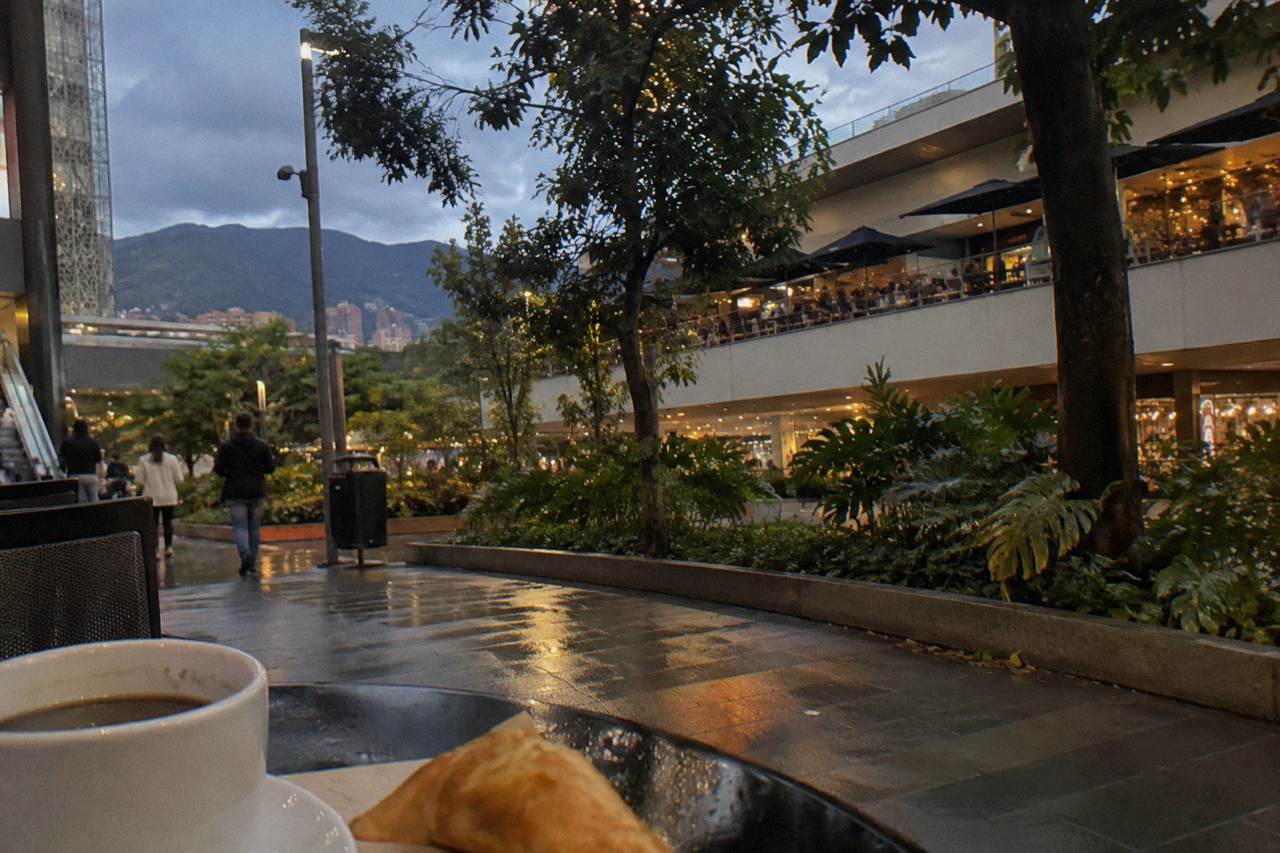
Yes, in the sense that 2026 reports describe it: Zona Rosa, the Chapinero corridor around Zona T and Parque 93, is listed among the safer, more policed visitor areas of Bogotá, walkable in the evening with standard big-city precautions. No report promises safety, and none should, because phone snatching on Carrera 7 and drink-spiking scams are documented citywide. Go aware, not afraid.
That is the honest shape of the answer. The neighborhood reports gathered in 2026 place Chapinero, and especially its Alto, Zona Rosa and Gourmet sections, alongside Usaquén, Parque 93, Chicó and Teusaquillo as areas where day and evening walking with normal precautions is the reported norm. The same reports single out La Candelaria as different: fine on main streets and squares in daytime, but with higher pickpocket risk and explicit advice against walking alone after dark or into side streets.
Zona Rosa earns its evening reputation through sheer density. This is the city's established going-out district: restaurants, bars and clubs stacked along Carrera 11 to 13 between Calles 79 and 85, with Parque 93 and Zona G a short taxi hop north. Time Out named Chapinero Alto the seventh coolest neighborhood in the world for 2026, the only Latin American entry in its top ten, and the dining scene is a large part of why. Where people are out eating at 9pm, streets stay busy, and busy streets are the kind reports describe favorably.
None of that is a guarantee, and the US State Department's Colombia travel advisory, issued 31 March 2026, remains at Level 3, Reconsider Travel, citing crime, terrorism, civil unrest, kidnapping and natural disasters. It is important to read that plainly: the advisory names certain departments at Level 4, and none of them is Bogotá. Conditions change, and anyone traveling should read the official advisory rather than rely on a summary, including the UK FCDO's Colombia page, which advises against all but essential travel to specific regions far from the capital.
What 2026 Reports Say About Chapinero And Zona Rosa
The 2026 neighborhood reports group Chapinero, with Zona Rosa, Zona G and the Parque 93 stretch, among the more policed, visitor-heavy parts of Bogotá where evening walking with standard precautions is the described pattern. The same reports flag one specific local pattern, phone snatching on Carrera 7 in the evening, and the usual scam playbook seen across the city. It is a favorable report, not a promise.
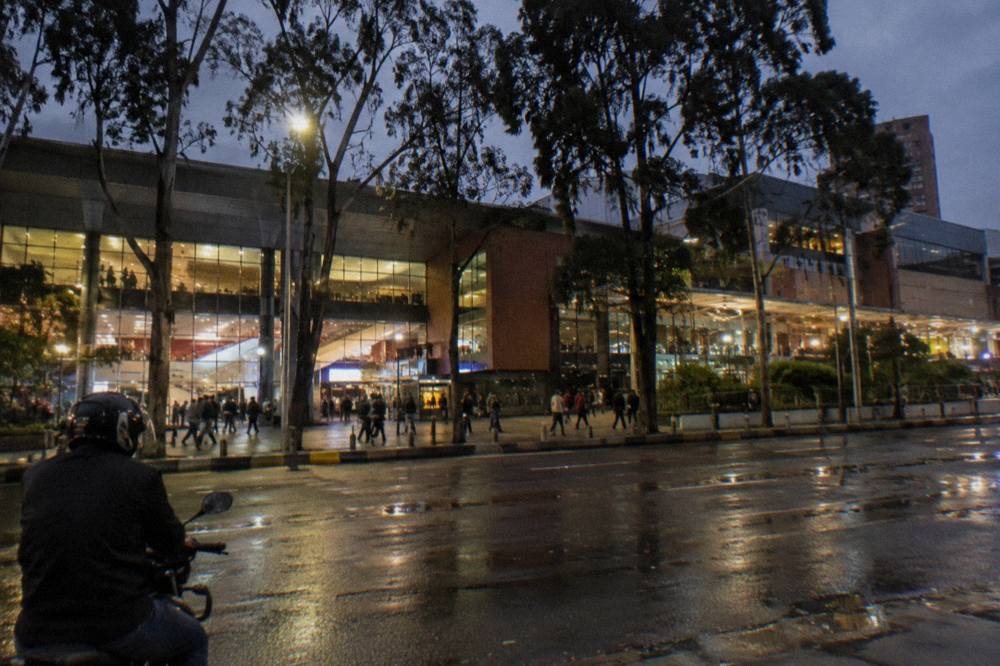
Chapinero is large, and the reports draw distinctions inside it. Chapinero Alto, the stretch that climbs east from Carrera 7, is where Time Out's 2026 ranking landed and where much of the celebrated dining sits, from Longo's seventh location, opened September 2026 in a restored conservation house on Calle 56, to the specialty coffee roasters of Quinta Camacho. Zona Rosa proper is the nightlife core around the Andino mall and the Zona T pedestrian cross. Parque 93 and El Chicó round out the cluster that reports treat as one practical zone for visitors.
The favorable framing comes with strings. Documented 2026 scam patterns include phone snatching, specifically on Carrera 7 in Chapinero in the evenings, pickpocketing in crowded areas and transport, scopolamine drugging via drinks, food, cigarettes or dating-app meetings followed by robbery, and fake plainclothes police demanding document or money checks on the street. None of these is Zona Rosa-specific, but Carrera 7 borders the district, and a night out is exactly the setting where drink-focused scams operate. The standard, repeatedly reported advice: keep phones off café tables, never leave drinks unattended, do not hand documents or cash to anyone claiming to be police on the street, and use app-based or hotel-arranged transport rather than hailing.
A word on the national picture, reported without alarm: the Level 3 advisory of 31 March 2026 lists Arauca, Cauca except Popayán, Valle del Cauca except Cali, Norte de Santander and the 10 km of Venezuela border at Level 4. Bogotá is not among them. The UK FCDO, updated in late October 2026, likewise names specific regions and treats the country overall with a "read our advice before travelling" framing. A city break in Bogotá is a different risk conversation from rural Chocó, and reading the actual advisory pages makes that clear.
Beyond safety, two 2026 facts help plan the evening. Chapinero's restaurant base keeps growing: the district added a Longo's, a second Bourbon Coffee Roasters store was slated to open in October 2026, and roughly 36 percent of Bogotá restaurants now offer vegan or vegetarian options, concentrated in Chapinero and Zona G. And Bogotá sits at about 2,640 m, so the health secretariat's advice to go light on alcohol in the first days, hydrate heavily and eat light meals matters more on a night out than most visitors expect.
The geography is what makes an evening here workable. Zona Rosa's nightlife core sits around the Andino mall and the Zona T pedestrian cross, with Parque 93 and El Chicó close enough that the reports treat the whole stretch as one practical zone for visitors. Chapinero Alto climbs east from Carrera 7 toward Quinta Camacho's roasters and Longo's Calle 56 house, so a single evening can drift from dinner up the hill to drinks near the Zona T without leaving the policed, visitor-heavy cluster.
On the ground, each reported precaution has a setting where it matters most. Carrera 7 borders the district and is the one street named in the phone-snatching pattern, so pockets beat café tables along it. The pickpocketing note covers crowded areas and transport, which is the logic behind app-based or hotel-arranged cars over street hailing. The scopolamine warning covers drinks, food, cigarettes and dating-app meetings, which turns standard bar caution into something broader for a Zona Rosa night out.
Altitude quietly shapes the evening. At about 2,640 m, the health secretariat's first-days guidance doubles as nightlife guidance: keep alcohol light early in the trip, hydrate more than feels necessary, and favor light meals before bar-hopping. With roughly 36 percent of Bogotá restaurants offering vegan or vegetarian options, concentrated in Chapinero and Zona G, the light-meal part is easy here rather than a compromise, and a growing coffee-and-dinner scene gives the night low-alcohol anchors.
How Zona Rosa Compares With La Candelaria After Dark
The 2026 reports treat the two neighborhoods differently after dark: Zona Rosa and the Chapinero nightlife belt are described as evening-walkable with normal precautions, while La Candelaria carries a higher pickpocket risk and explicit advice against walking alone at night or in side streets. Daytime in the historic center is a different story, museums and main squares are busy and fine.
La Candelaria is where most first-time visitors eat their way through Bogotá, so the contrast matters for planning. The colonial center concentrates the tamal stands, the chocolate santafereño institutions like La Puerta Falsa, operating since 1816 next to the cathedral, and the street-food carts of Carrera 2a, where reported juice prices run around 4,000 COP for lulo and 5,000 COP for curuba with milk. All of that is a daytime and early-evening proposition per the reports, which describe main streets and squares as fine in daylight but side streets and solo late walks as ill-advised.
The practical conclusion most visitors land on: eat in La Candelaria in the afternoon or early evening, then take a taxi or rideshare to Chapinero for the night. A guided evening walk removes the timing question entirely, since the guide handles the route and the logistics while the listing's described inclusions are what you get. For a fuller treatment of the historic center's food, the La Candelaria street food guide covers what to eat and where.
The Food Tour in La Candelaria Bogotá runs about 3 hours, from $63 per person with the price varying by group size, and is rated 4.9 across 72 reviews. The listing describes tastings through the historic center; exact stops and dietary options are on the booking page, and travelers with vegan or gluten-free needs should message the operator before booking, since no listing here is described as vegan or gluten-free.
Getting Home Safely After A Night Out
The reported 2026 pattern is simple: use app-based transport or hotel-arranged cars for late-night trips, keep phones stowed on Carrera 7, and know the fare basics so no negotiation is needed. Authorized airport taxis run on a metered tariff with an 8,000 COP airport surcharge, and the TransMilenio fare has been a flat 3,550 COP since 14 January 2026, though late-night service thins out.
App transport occupies a legal gray area in Bogotá, classified as vehicle rental with driver, and pickups often happen at an app-designated point a short walk from the taxi lane rather than curbside. That is a nuisance after dark, not a danger, but it means the walk to the pickup point is part of the plan: choose pickup spots on busy, lit stretches. Metered yellow taxis remain the authorized option and are the default at the airport, with the banderazo around 4,500 COP plus roughly 159 COP per 100 m, the airport surcharge and night, Sunday and holiday supplements. More of these guides are collected on Bogota Food Tours.
Practical night-out habits that the 2026 reports repeat: keep the phone in a zipped pocket rather than in hand on Carrera 7 after dark, decline street card games and unsolicited approaches, accept drinks only from the bar staff, and pre-book the ride home rather than deciding at 2am. Tipping, for reference, is a voluntary 10 percent propina at sit-down restaurants, capped by law, optional and commonly accepted; it is not expected at street stalls or counters.
The altitude is the quietly relevant part of a night out. At about 2,640 m, alcohol hits harder than at sea level, and the city's own health guidance for visitors recommends one to two days of adaptation, three-plus liters of water daily, light meals and limited alcohol and tobacco in the first days. A first-night bar crawl in Zona Rosa is the classic way to learn this the hard way.
A Guided Evening: Craft Beer Without The Guesswork
A guided tour is the one way to spend a Bogotá evening out where someone else owns the route, the neighborhoods and the pacing, and the craft beer walk here is the clearest fit: about 3 hours, from $149.53, rated 4.9 across 121 reviews, moving between venues with a guide rather than working out the route alone. The listing describes tastings; it promises nothing about safety, and neither does this page.
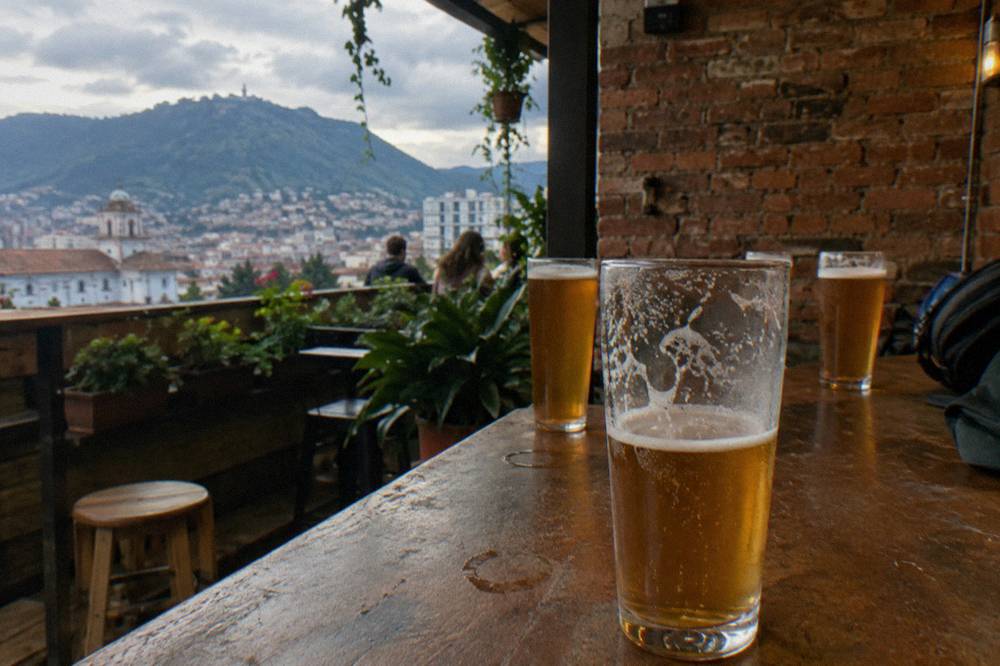
The beer context is genuinely local. Colombia's craft scene is dominated by 3 Cordilleras, which held roughly 48 percent of the national artisanal market as of late 2026 and turned 18 that year with medals at the Copa Cervecera Internacional La Pola Dorada. Bogotá Beer Company, part of the AB InBev group, runs multiple Chapinero locations with pints reviewed at around 80,000 COP, and the city hosted its Festival de la Cerveza Artesanal on 23 and 24 October 2026 at Gran Estación with 60 local producers. A guided tasting walks through exactly this landscape with someone who knows which pours matter.
For visitors who would rather anchor the evening around food than beer, the daytime options are strong and cheap by comparison. The Shared Bogotá Street Food Tour runs about 3 hours from $17.71, rated 4.6 across 30 reviews, though it is a daytime format. The Bogota Shared Gastronomy Tour in the Historic Center needs a price-basis note: its $15 from-price is a guide fee only, with tastings about US$12 extra on top, so the real cost is higher than the headline number. Details like meeting points and inclusions are stated on each booking page.
Practical Night-Out Checklist For Zona Rosa
The short version of every report, in one place: stay inside the Chapinero, Parque 93 and Usaquén belt after dark, use app or hotel transport for every longer trip, guard the phone on Carrera 7, watch the drinks, and respect the altitude. The table below compresses the reported patterns into decisions you can make before you leave the hotel.
| Situation | Reported 2026 pattern | What travelers do |
|---|---|---|
| Evening walk inside Zona Rosa / Parque 93 | More policed, visitor-heavy, walkable with standard precautions | Walk main streets, keep phones stowed |
| Walking alone after dark in La Candelaria | Advised against; higher pickpocket risk on side streets | Taxi in, daytime visit, guided walk |
| Phone on Carrera 7 in the evening | Documented snatching pattern in Chapinero | Zipped pocket, no street texting |
| Drinks from strangers or dating-app meets | Scopolamine drugging then robbery, documented citywide | Never leave drinks unattended |
| Plainclothes "police" demanding documents | Fake-police scam, documented pattern | Do not comply on the street, walk into a venue |
| Getting home late | App transport in a legal gray area, pickups at designated points | Pre-book, pick busy pickup spots |
| First nights at 2,640 m | Official advice: hydrate, light meals, limit alcohol | Pace the drinking, sleep 6 to 8 hours |
Two advisories frame all of it. The US State Department's Level 3 advisory for Colombia, issued 31 March 2026, is reported here as reported there, and readers should read the UK FCDO's Colombia travel advice and the US advisory itself before traveling, since conditions change. Bogotá's own visitor health guidance, including altitude advice from the city's official first-time visitor tips, covers the acclimatization details, and the city's health secretariat publishes seasonal guidance on buying food and drink from formal establishments, echoed in its 2026 celebration-season health recommendations.
For readers planning a whole food-first trip rather than one night out, the question of how many days in Bogotá is enough and the broader is Bogotá safe for tourists guide carry the fuller picture, including the daytime neighborhoods and the market mornings that pair well with a Zona Rosa evening. This site, Bogota Food Tours, keeps the safety framing and the eating plans in one place.
What A Guided Walk Actually Changes
A guided walk changes the logistics, not the city: the listing describes a route, a meeting point and counted tastings, and the guide handles the rest, which is why many night-safety readers end up booking one. What no listing promises is safety, and the honest framing is that a guide adds local judgment and structure to an evening, the same judgment a report describes when it calls a district walkable.
The most reviewed food walk here makes the value legible: the Viejo Bogota Food Tour with 12+ Tastings runs 4 hours from $55 per person and is rated 5.0 across 714 reviews, the largest review pool of the walks compared on this site. More reviews do not mean a better tour, but they do mean the description has been tested by a lot of people, and the listing describes 12 or more tastings across the historic center. Meeting point, dietary handling and cancellation terms are on the booking page.
For the evening specifically, the choice usually comes down to format. A beer-focused walk suits a group that wants the Chapinero nightlife explained; a tasting walk suits visitors who want the food and an early finish. Among the shared daytime walks described here, the Bogotá Food Experience: Cultural & Culinary Tour starts from $47.15 per person for 4 hours, and the Food Tour in La Candelaria Bogotá starts from $63 per person for about 3 hours, so the price gap mostly buys or saves an hour and a set of tastings rather than a different standard of care. That spread, and what each price actually includes, is unpacked in what a Bogotá food walk costs.
None of this replaces the basic reported precautions, and the distinction is worth restating: guided does not mean protected, it means planned. Keep the same habits on a tour that you would keep alone, because the documented risks, drinks left unattended, phones in hand, fake police, do not check whether a guide is present.
Common Questions About Zona Rosa At Night
Is It Safe To Walk At Zona Rosa At Night In Bogotá?
According to 2026 neighborhood reports, Zona Rosa and the surrounding Chapinero nightlife belt are among the more policed, visitor-heavy parts of the city, walkable in the evening with standard precautions. The reports also document phone snatching on Carrera 7 and citywide drink-spiking scams, so awareness matters. No source promises safety.
Is Zona Rosa Safer Than La Candelaria At Night?
The 2026 reports treat them differently: Zona Rosa is described as evening-walkable with normal precautions, while La Candelaria carries higher pickpocket risk and explicit advice against walking alone after dark or on side streets. Daytime in La Candelaria, on main streets and squares, is a different picture.
What Is The US Travel Advisory For Colombia?
The US State Department advisory, issued 31 March 2026, is Level 3, Reconsider Travel. It places certain departments at Level 4, and none of them is Bogotá. Conditions change, so read the official advisory and the UK FCDO page before traveling.
How Do I Get Home Safely After A Night Out In Zona Rosa?
The reported pattern is app-based or hotel-arranged transport for late trips. App pickups often happen at a designated point a short walk from the taxi lane, so choose busy, lit pickup spots. Metered yellow taxis are the authorized alternative.
Does Altitude Affect A Night Out In Bogotá?
Yes. Bogotá sits at about 2,640 m, and official visitor guidance recommends one to two days of adaptation, heavy hydration, light meals and limited alcohol at first. Alcohol is felt more strongly at altitude than at sea level.
Is A Guided Evening Tour Safer Than Going Alone?
A guided tour adds planning, a set route and local judgment, and the listing describes exactly what is included. No tour promises safety, and the documented risks like unattended drinks and phone snatching apply with or without a guide, so keep the same habits either way.