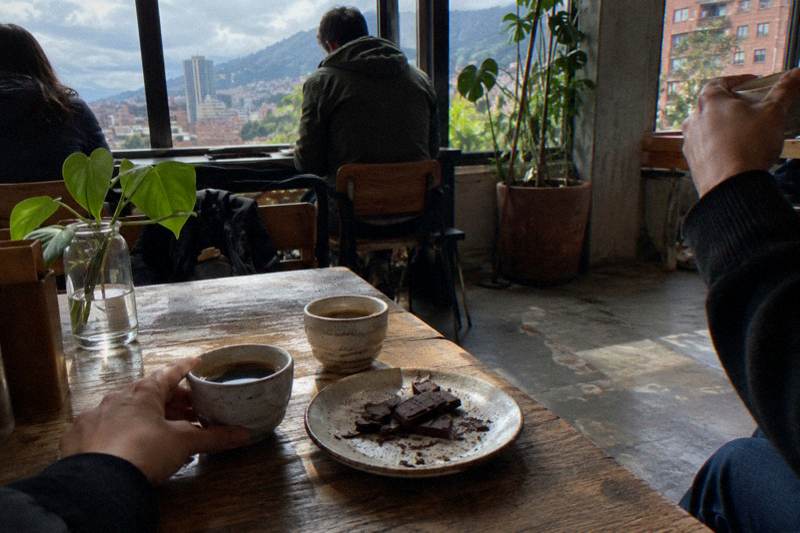
What Drinks Are Popular In Colombia?
Coffee, aguapanela, fruit juices, aguardiente and craft beer: the drinks Colombians actually order, with prices, history and how to taste them in Bogotá.
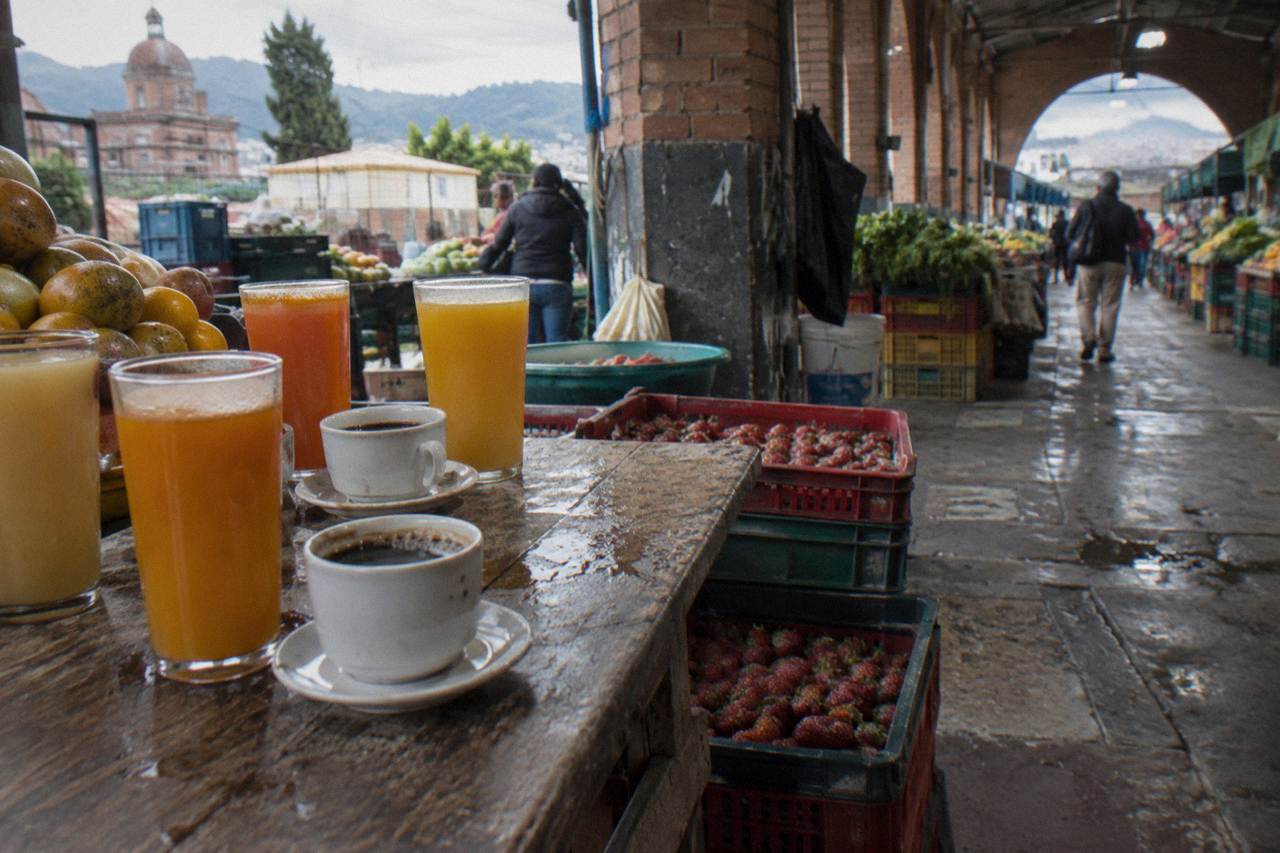
Coffee is the drink Colombia is famous for, but it is only the beginning. Colombians also drink aguapanela with cheese, fresh juices pressed from lulo, curuba, maracuyá and guanábana, hot chocolate thick enough to melt cheese into, the anise spirit aguardiente, and a craft beer scene now led by a brewer holding roughly 48 percent of the national artisanal market. A visitor who only orders coffee misses most of the glass.
Bogotá is the best place in the country to try nearly all of it in a few days, because the capital pulls fruit from every region into its market plazas and hosts the country's densest cluster of specialty coffee roasters. This article walks through each drink family, what it tastes like, what it costs when a verified price exists, and how a guided tasting fits in.
The most popular drinks in Colombia are black coffee (tinto) and sweet café con leche, fresh fruit juices and jugos naturales, hot aguapanela, chocolate santafereño with cheese, the anise liqueur aguardiente, and domestic and craft beer. Colombians drink coffee throughout the day rather than only at breakfast, and juice stands press tropical fruits that barely exist abroad, which is why visitors so often list the juices, not the coffee, as the surprise favorite.
Coffee deserves its headline, but with a twist. The country grows one of the world's most celebrated coffees and historically exported its best beans while drinking the cheaper ones at home. That inverted in the last two decades: Bogotá now has a full specialty roasting scene, from 1990s pioneer Amor Perfecto, which claims multiple national barista championships and runs public cuppings, to newer entrants such as Varietale in Chapinero, which mills its own parchment in a former convent and had been open only a couple of months as of early November 2026. Azahar Coffee works on direct-trade relationships with more than 420 Colombian farmers, and Tropicalia Coffee, an SCA Coffee Design Award winner, rotates its filter offerings roughly every three months.
The fruit juice culture is the part first-time visitors consistently underestimate. Colombia sits across equatorial growing zones, so a single market stall can hold curuba, lulo, guanábana, maracuyá, mora, tomate de árbol and uchuva, fruits with no exact flavor equivalent in Europe or North America. A reported snapshot from a street fruit cart at Carrera 2a with Calle 13 in La Candelaria puts lulo juice at 4,000 COP and curuba juice with milk at 5,000 COP, roughly a dollar to a dollar and a half each at exchange rates near 3,183 COP to the US dollar. Prices move, so treat those as reported examples rather than guarantees.
For travelers who want structure rather than guesswork, guided tastings compress the learning curve. The coffee and chocolate tasting tour in La Candelaria pairs the two hot drinks Colombians love most in a single 2 hour 15 minute session, from $49 per person, rated 5.0 across 79 reviews.
If one of them matches your interest, Check availability on the operator's page before locking your itinerary, since small-group tastings fill on weekends.
Why Is Colombian Coffee Such A Big Deal?
Colombian coffee earns its fame through high altitude, equatorial harvest cycles and decades of quality marketing that built a global reputation, plus a fast-growing domestic specialty scene that now keeps more of the best beans at home. The numbers underline both scale and strain: exports hit 8.45 million 60-kilogram sacks in the first nine months of 2026, down 13.8 percent year on year, with production projected at 12 to 12.5 million sacks.
The export numbers matter to a drinker in one specific way: supply pressure and quality competition have pushed Colombian cafés toward single-origin and micro-lot offerings that were rare a decade ago. Roasters such as Bourbon Coffee Roasters, with a Quinta Camacho roastery and a second Zona G store slated for October 2026, and Colo Coffee Roasters in Usaquén, with visible in-house roasting, Colombian-only sourcing and community events, now treat provenance as the product. Catación Pública in Usaquén runs an SCA-certified cupping lab with public cuppings, some led by a certified Q-grader featuring coffees scoring above 80 SCA points from 12 Colombian farms.
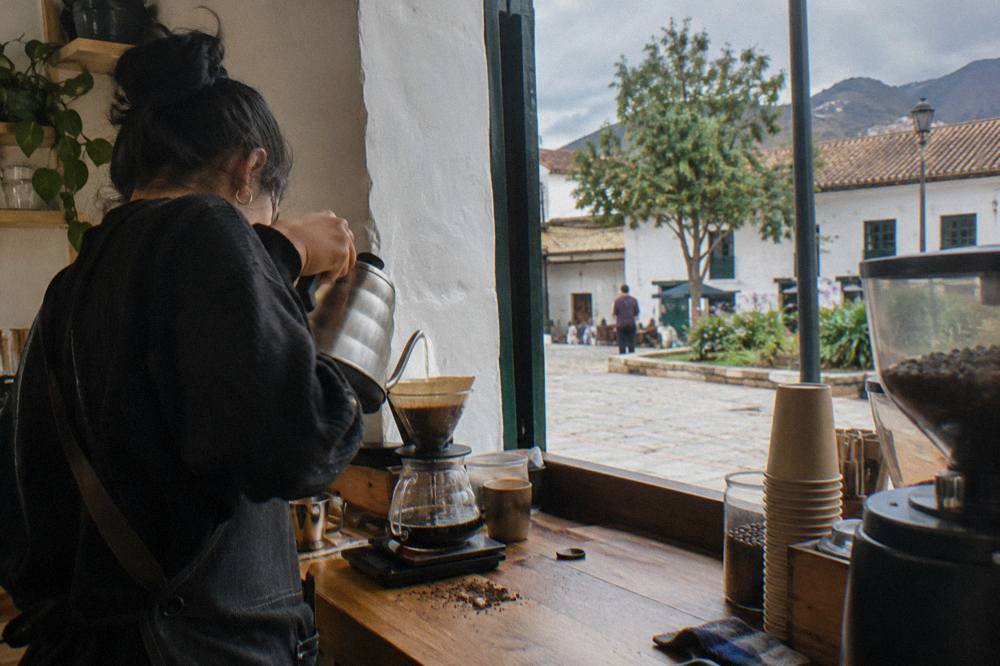
How Colombians actually drink it is different from the café ritual. The tinto, a small sweet black coffee served in tiny cups from street vendors and shops, is the everyday format, often taken mid-morning or mid-afternoon as a social pause rather than a caffeine fix. Per-drink café prices in Bogotá were not verifiable across sources beyond one aggregate note averaging roughly $2 to $2.60 US at laptop-friendly spots, so check the board at each café.
Tasting coffee well in Bogotá is easiest with a guide who can translate varieties, altitudes and processing into plain language. The Coffee and Chocolate tour in Bogotá covers that ground in 2 hours 15 minutes, from $49 per person, rated 5.0 across 79 reviews, and shorter tasting sessions exist from $20 per person for a one-hour introduction. The deeper background, from grading to what to buy home, is in the site's guide to Colombian coffee regions, grades and what to buy.
What Fruit Juices Should You Try In Colombia?
The juices to try first are lulo, curuba, guanábana, maracuyá and mora, because their flavors have no common equivalent abroad and they appear on nearly every menu and market stall. Lulo is tart and citrusy, curuba is floral and banana-adjacent, guanábana is creamy and tropical, and most are served as jugos naturales, blended fresh to order with water or milk and usually a spoon of sugar.
The juice habit is structural, not incidental. Restaurants treat a jugo as a standard lunch component, market stalls press fruit on the spot, and a cart culture in central Bogotá sells cups for small change. The reported La Candelaria cart prices, 4,000 COP for lulo and 5,000 COP for curuba with milk, give a realistic floor for street-level juice; sit-down restaurants charge more. Fresh-cut fruit with salt and lime is the solid cousin of the juice stand, and the Sunday market in Usaquén, running Saturdays, Sundays and holiday Mondays from 9:00 a.m. to 5:30 p.m., is one of the more pleasant places to graze both.
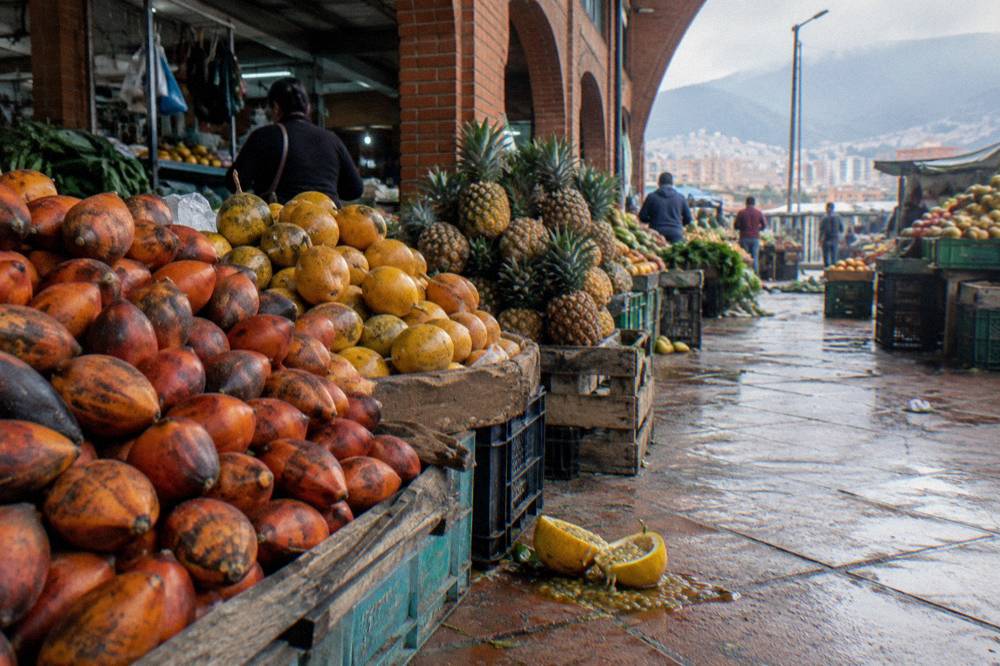
A market walk answers the juice question better than any restaurant, because you see the whole fruit before you drink it. The Paloquemao plaza operates Monday to Saturday from 4:30 a.m. to 4:30 p.m. and Sundays and holidays from 5:00 a.m. to 4:30 p.m., with the pre-dawn to mid-morning window the most atmospheric as trucks unload and vendors hand out tastes of granadilla, lulo and uchuva. The Paloquemao Market food tour, from $82 per person with the price varying by group size, runs 3 hours and is rated 4.9 across 71 reviews; the listing describes exotic fruit and local snack tastings, so check the booking page for exactly what is included on your date.
Fruit identification is its own skill, and the site's primer on Colombian fruits to try in Bogotá walks through the dozen most common ones with descriptions. One practical note carried from the health authorities: buy from formal, authorized stalls, and check packaging condition on anything bottled or wrapped.
What Is Chocolate Santafereño And Aguapanela?
Chocolate santafereño is thick, sweet hot chocolate traditionally served with cheese dropped into it, and aguapanela is a hot drink made by dissolving raw cane sugar panela in water, often with lime or cheese on the side. Both are highland Bogotá drinks built for cold, wet afternoons, and both anchor the traditional afternoon meal once called las onces, the Colombian cousin of afternoon tea.
The cheese-in-chocolate habit startles visitors and converts a surprising number of them. The classic venue is La Puerta Falsa, a tiny spot next to the Catedral Primada that has operated since 1816 and serves aromatic chocolate santafereño with cheese to melt in, alongside almojábanas and bread. For a hands-on version, Cacaote in La Candelaria runs guided preparation workshops that include tasting with almojábana, queso and achira, per its late-October 2026 listing. The wider set of guides lives on Bogota Food Tours.
Aguapanela is the quieter workhorse. It is the base of the canonical cure for a cold, aguardiente's humble non-alcoholic sibling in the campesino toolkit, and the sweet liquid behind many a childhood breakfast. Paired with almojábana or pan de bono, reported at roughly 4,700 and 4,300 COP per unit in current delivery listings, it is the standard cheap warm-up. Casa Orígenes, opened October 2026 in a restored republican house in La Candelaria, puts Colombian chocolate at the center of a bean-to-bar tasting room with specialty coffee and a gastronomic library, a sign of how far the cacao side has come.
Chicha, the fermented corn drink of the pre-Hispanic Andes, belongs in this conversation as the historical root of Colombian drinking culture. It survives mostly around La Candelaria and in festival contexts, and it is the drink most guidebooks mention and few visitors actually try. The site's article on Colombian drinks, juices and aguapanela goes deeper on preparation and where each fits in the day.
What Is Aguardiente And How Do Colombians Drink It?
Aguardiente is Colombia's national spirit, a clear anise-flavored liqueur distilled from sugarcane, drunk neat in small shots and shared in rounds rather than sipped slowly or mixed. It is the drink of parties, festivals and football matches, usually taken cold, and each department historically had its protected brand, a system a February 2025 Constitutional Court ruling broke open.
The court decision, Ruling C-032 of 2025, struck down departmental barriers that kept regional monopolies in place, reopening markets such as Cundinamarca and Bogotá to outside brands like Amarillo. For a visitor the practical effect is a wider shelf and the same social rule: aguardiente comes in rounds, someone pours, and you drink when the round comes to you. Sugarcane is the base, which links the spirit back to panela and aguapanela, the same plant feeding the sweet drink and the strong one.
Beer is the other half of Colombian toasting culture. The domestic lagers dominate volume, but the craft segment has a clear leader: 3 Cordilleras concentrates roughly 48 percent of the national artisanal market, peaking near 50 percent by volume, and celebrated its 18th year in 2026 with fresh medals including a silver for its Red IPA and a bronze for Mulata at the Copa Cervecera Internacional La Pola Dorada. Bogotá Beer Company, now part of the AB InBev group, keeps multiple pubs across the city, with pints reviewed around 80,000 COP. The capital hosted its Festival de la Cerveza Artesanal on 23 and 24 October 2026 at Gran Estación with 60 local producers, a past-tense date now, but a sign of how regular the scene has become.
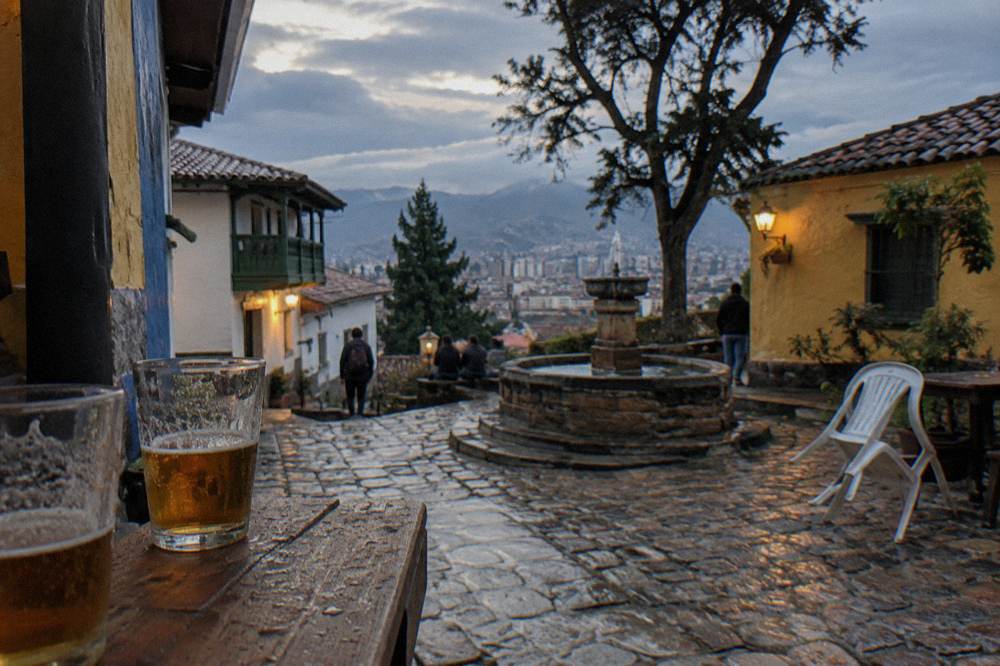
The Bogotá craft beer tour with tasting, from $149.53 per person, runs 3 hours and is rated 4.9 across 121 reviews, the most reviewed brewery experience described on this site. It is the structured way to meet the local scene, and the site's fuller Bogotá craft beer guide covers what to order on your own.
Safety framing stays boring and honest here: the US State Department's Colombia advisory stands at Level 3, Reconsider Travel, issued 31 March 2026, with some departments at Level 4, none of them Bogotá, and documented scam patterns in the capital include drink-spiking followed by robbery. Accept drinks from people you know, keep your glass with you, and use the same judgment you would in any large city at night.
How Do The Popular Drinks Compare On Price And Where To Try Them?
Coffee and chocolate tastings in Bogotá run from about $20 to $100 per person depending on length and depth, market juice and fruit experiences start near $40, and the craft beer tour sits at $149.53 from price. Street-level drinks are dramatically cheaper, with reported juice cart prices of 4,000 to 5,000 COP and a tamal-and-hot-drink festival combo at 10,000 COP, so a visitor can mix guided tastings with self-guided market cups.
The table below compares the guided drink experiences described on this site, with prices and ratings exactly as their listings state them. Where a price varies by group size, the from-price is shown.
| Experience | Duration | From price (US) | Rating and reviews | Drink family |
|---|---|---|---|---|
| Coffee and Chocolate tour in Bogotá | 2 hours 15 minutes | $49 per person | 5.0 across 79 reviews | Coffee and chocolate |
| Bogotá: Colombian Coffee Tasting | 2 hours | $31.15 per person | 4.8 across 105 reviews | Coffee |
| Bogotá: Coffee tasting tour | 1 hour | $20 per person | 5.0 across 6 reviews (too few to rely on) | Coffee |
| Bogotá: Coffee Tasting, Roasting, Filtration & Espresso Tour | 2.5 hours | $100.02 per person | 5.0 across 4 reviews (too few to rely on) | Coffee |
| Bogota Craft Beer Tour with Tasting | 3 hours | $149.53 per person | 4.9 across 121 reviews | Beer |
| Paloquemao Market food tour | 3 hours | $82 per person, varies by group size | 4.9 across 71 reviews | Fruit juices and snacks |
A second, cheaper layer sits underneath. The tamal festival combo of a tamal, hot drink and arepa or bread ran at 10,000 COP across more than 17 plazas in past editions, and the Festival del Tamal returns 5 to 8 December 2026, a future date to plan around. Tejo venues sell social combos, with one reported option of an hour of tejo plus two beers from 45,000 COP per person. None of these needs a booking, just timing and small bills.
Choosing between formats comes down to depth versus breadth. A one-hour coffee tasting teaches vocabulary; the 2 hour 15 minute coffee and chocolate session covers two drinks; the market tour adds the fruit layer; the beer tour covers the evening culture. Many travelers do the market morning and one tasting, then self-guide the rest using the price anchors above.
Which Drink Should You Build A Day Around?
Build a morning around coffee or market juices and an evening around beer or aguardiente, because that is also how Bogotá paces its own day. A realistic full day: a tinto or specialty filter coffee mid-morning, a jugo with lunch at a market plaza, chocolate santafereño with almojábana in the late afternoon cold, and craft beer or an aguardiente round at night, which is one day covering five of the country's most popular drinks.
The morning deserves the most planning, because Bogotá's markets thin after midday. Paloquemao's wholesale energy peaks pre-dawn to around 10 a.m. on weekdays, and La Perseverancia, open Monday to Friday 8:00 a.m. to 4:00 p.m. and weekends 6:00 a.m. to 5:00 p.m., is the traditional-food plaza where family stalls serve ajiaco and lechona alongside the juices. Altitude shapes the day too: Bogotá sits at about 2,640 m, and reported guidance recommends a day or two of adaptation, steady hydration, light meals and little alcohol before you test the aguardiente rounds.
Visitors with dietary constraints should message operators before booking, since no listing here is described as fully vegan or gluten-free, though about 36 percent of Bogotá restaurants were reported to offer vegan or vegetarian options. The site's guide to vegetarian, vegan and gluten-free food in Bogotá covers where that leaves the drinker, since most juices and coffees are naturally plant-based anyway.
Whichever of those three fits, the pattern holds: book one structured tasting early in your stay so the vocabulary, from lulo to micro-lot, is in place for everything you order afterward. Bogota Food Tours covers each of these drink families in depth, from market guides to neighborhood walkthroughs, for the rest of the trip.
Common Questions About Popular Colombian Drinks
What Drinks Are Popular In Colombia?
Coffee (especially the small sweet tinto), fresh fruit juices such as lulo, curuba and maracuyá, hot aguapanela, chocolate santafereño with cheese, aguardiente, and domestic and craft beer. Colombians drink coffee across the whole day, treat juice as a normal lunch component, and reserve aguardiente and beer for social occasions.
What Is The Most Traditional Colombian Drink?
Chocolate santafereño with cheese and aguapanela are the most traditional hot drinks, both rooted in the highland colonial kitchen. La Puerta Falsa in central Bogotá, operating since 1816, still serves the chocolate version with cheese, almojábanas and bread.
What Juice Should I Try First In Bogotá?
Lulo is the usual first pick: tart, bright and unlike anything common abroad. Curuba with milk is the floral alternative. Reported street-cart prices in La Candelaria run about 4,000 COP for lulo juice and 5,000 COP for curuba with milk, though prices vary by stall.
Do Colombians Drink Their Own Coffee?
Yes, increasingly the good beans. Historically Colombia exported its best coffee and drank cheaper blends at home, but the specialty roasting scene in Bogotá, with roasters like Amor Perfecto, Colo Coffee, Azahar and newer Varietale, now keeps high-scoring Colombian coffee in local cups.
Is Aguardiente Like Sambuca?
They are cousins: both anise-flavored and clear. Aguardiente is distilled from sugarcane, usually un sweetened or lightly sweetened depending on the brand, served cold in small shared rounds rather than sipped or mixed into cocktails.
Can You Do A Coffee And Chocolate Tasting In One Tour?
Yes. The Coffee and Chocolate tour in Bogotá runs 2 hours 15 minutes, from $49 per person, rated 5.0 across 79 reviews, and covers both drinks in one guided session. Check the booking page for the current schedule and inclusions.