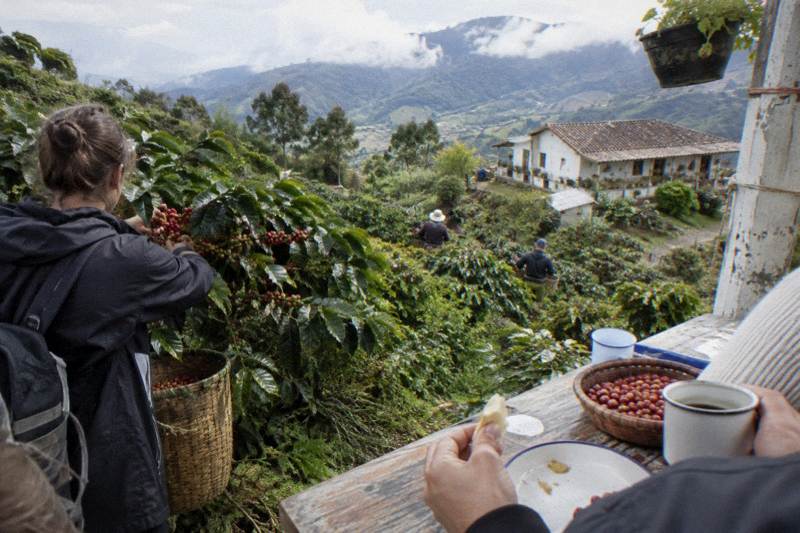
Colombian Coffee Regions, Grades And What To Buy In Bogotá
Colombia grows one of the world's most recognizable coffees, yet most bags sold to visitors tell you almost nothing. Here is how to read the label, understand grades and specialty scores, and buy beans in Bogotá that are actually worth carrying home.
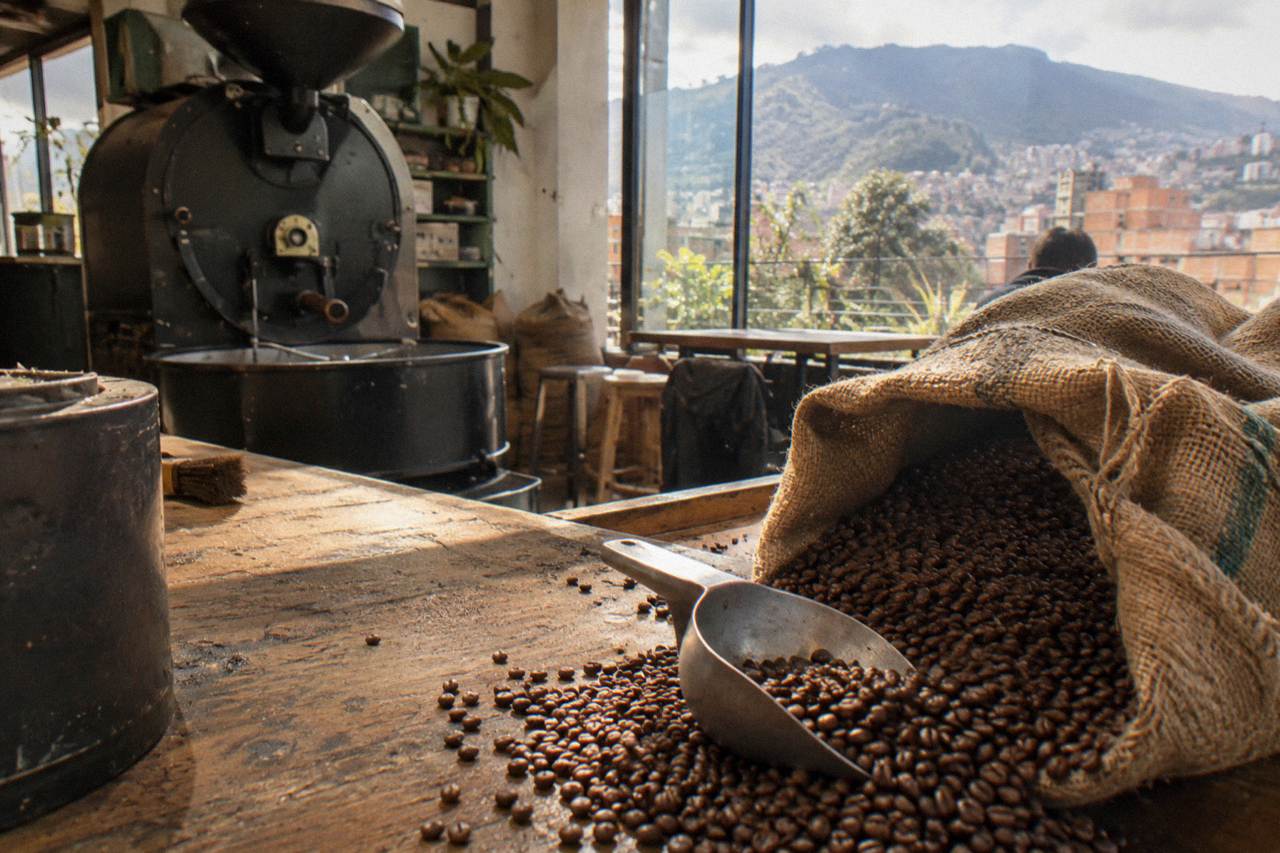
Short answer
Colombian coffee is graded by bean size and defect count, with specialty lots additionally scored on a 100 point scale where 80 and above counts as specialty. In Bogotá, buy whole beans from roasters that print a roast date, expect roughly $31.15 to $100.02 for a guided tasting, or $94 for a coffee farm day, and read each bag for origin and altitude.
Colombia exported 8.45 million 60 kg sacks of coffee between January and September 2026, a 13.8 percent drop from the same period a year earlier, and production for the full coffee year is projected at 12 to 12.5 million sacks. Those numbers matter to you as a visitor for one simple reason: the good lots are getting scarcer, and knowing how to read a bag separates the coffee worth carrying home from the souvenir with a donkey on the label. This guide explains what Colombian coffee actually is, how the grading system works, what the specialty scoring scale means, where the city's roasters fit in, and what a fair price looks like for a tasting or a bag of beans in Bogotá.
What Does Colombian Coffee Actually Mean?
Almost all coffee grown in Colombia is arabica, sold worldwide under a single country brand that hides enormous variety in farm size, altitude, processing and quality. What the label does not tell you is which of the country's growing areas the beans came from, how they were dried, or whether they were picked ripe, and those three things shape the cup more than the flag on the bag.
The country brand is genuinely strong. Colombian coffee carries a protected denomination and a global reputation built on mild, balanced washed arabica, and the export machine behind it is large: 8.45 million sacks left the country in the first nine months of 2026 even in a down year, and the sector's 90th national coffee summit was scheduled for 5 and 6 November 2026 in Cartagena. But a single country name covers everything from industrial lots destined for supermarket blends to micro-lots from single farms that sell within weeks of roasting.
For a buyer in Bogotá, the practical takeaway is that "Colombian coffee" is a starting point, not a quality claim. A bag that names a farm, a region, an altitude and a roast date is telling you something checkable. A bag that names only the country and a cartoon is telling you nothing, and the price difference between the two is often smaller than the quality difference.
The 2026 harvest adds a wrinkle worth knowing. The main crop was in its berry filling and early harvest phase as of early November, with uneven moisture reported including a dry stretch in Huila, one of the producing areas name-checked in crop reports. Weather stress of this kind tends to squeeze volume rather than ruin quality, but it is one more reason fresh, traceable lots carry a premium this year.
Which Coffee Regions And Origins Should You Know?
Colombia's coffee comes from farms spread across its Andean slopes, and in Bogotá the region names you will actually encounter on bags and cupping tables are the ones the specialty roasters buy: lots sourced through direct trade networks of hundreds of small farms, micro-lots from named estates, and regional single origins that rotate with the harvest. Rather than memorizing a map, learn the sourcing language on the bag.
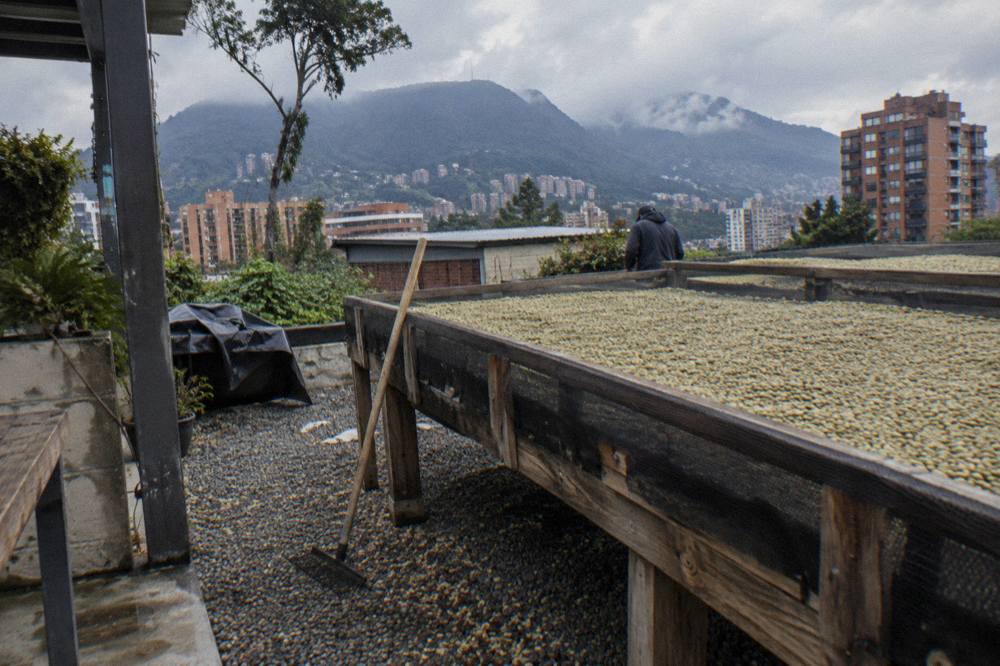
The city's roasters are surprisingly transparent about where their beans come from, and their sourcing models are a useful decoder for the rest of the market. Azahar Coffee works through direct trade relationships with more than 420 Colombian farmers, paying above market prices under a social impact model, so its bags trace back to named producers. Libertario Coffee Roasters sources from La Palma y El Tucán and nearby families, keeping the chain short enough to print on the label. Varietale, one of Bogotá's newest roasteries, open only a couple of months as of early November 2026 in a former convent in Chapinero, goes further still: it buys coffee in parchment and mills in house, rotating regional Colombian single origins as lots come and go.
Regional identity works differently here than in, say, wine. A bag from Huila or Nariño or Tolima tells you about altitude and climate tendencies, but a well grown and well washed lot from a smaller area can outcup a carelessly processed one from a famous name. That is why cupping tables in Bogotá often show coffees from a dozen farms side by side: at Catación Pública in Usaquén, public cuppings led by a certified Q grader feature coffees of 80 or more SCA points from 12 Colombian farms, letting you taste the range of what the country produces in a single sitting. The fuller list of where to drink is covered in the best coffee shops in Bogotá guide.
| Roaster or venue | Location | Sourcing story | What it means for a buyer |
|---|---|---|---|
| Azahar Coffee | Bogotá, multiple locations | Direct trade with 420+ Colombian farmers, premium prices | Farm level traceability on the bag |
| Libertario Coffee Roasters | Calle 70a and Usaquén | Beans from La Palma y El Tucán and nearby families | Short supply chain, estate level lots |
| Varietale | Cl. 41 #8-43, Chapinero | Buys in parchment, mills in house, rotates regional single origins | Freshest possible milling, changing regional picks |
| Bourbon Coffee Roasters | Quinta Camacho roastery, second Zona G store | Per-microlot roast profiles, single origin focus | Roast matched to each lot |
| Catación Pública | Usaquén | SCA certified cupping lab, public cuppings | Taste 12 farms' coffees side by side |
If tasting your way to an opinion appeals more than reading labels, a guided session shortens the curve considerably.
How Do Coffee Grades Work In Colombia?
Colombia grades green coffee primarily by bean size and defect count, with larger, denser beans and cleaner lots earning higher export grades, while the specialty segment layers a separate 100 point cup score on top. So a bag's grade tells you how uniform and clean the beans are, and its cup score, when printed, tells you how good it tastes, and the two systems answer different questions.
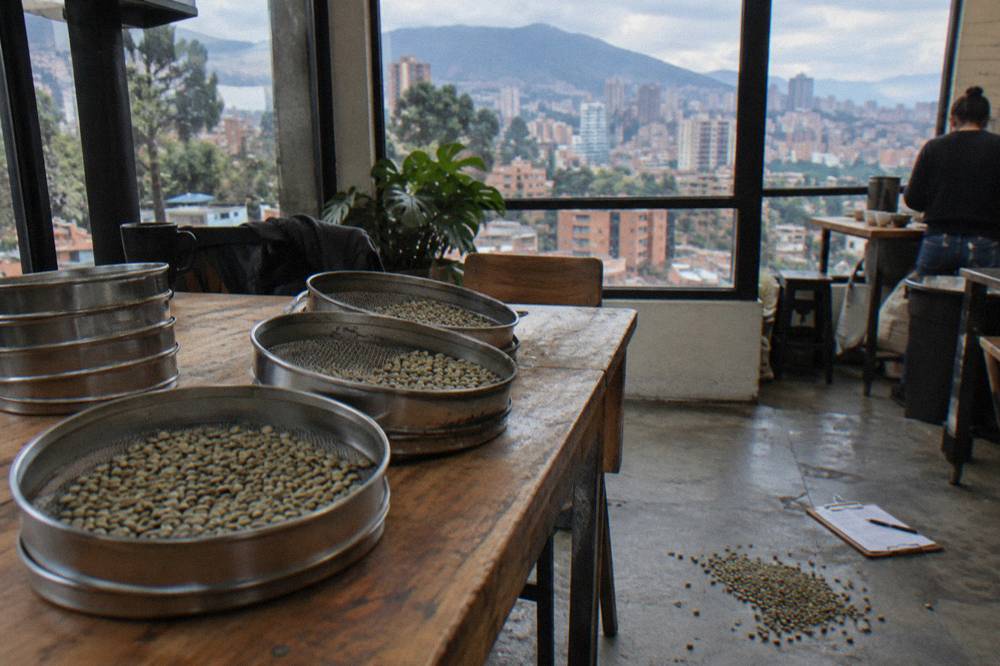
The traditional grading logic is straightforward. Beans are passed over screens of set widths and sorted by size, with the biggest, densest beans, typically those grown highest, occupying the top grades, and lots carrying too many defects, broken beans, insect damage, unripe picks, dropping down the scale. Size is a proxy rather than a guarantee: high altitude grows denser beans, and density holds up better in the roaster. But grading happens before roasting and before anyone has tasted the coffee.
That is where specialty scoring comes in. Trained graders cup the roasted coffee and score it on a 100 point scale covering fragrance, flavor, acidity, body, balance and more, and 80 points is the recognized threshold for specialty coffee. In Bogotá you can taste this system in action rather than take it on faith: the cupping sessions at Catación Pública are built around coffees scoring 80 or more SCA points, presented by a certified Q grader, the credential the industry uses for professional cuppers. When a roaster here prints a cup score on a bag, that number refers to this scale.

For shopping purposes, treat the two signals as complements. A grade without a score describes clean, uniform coffee that may still be boring. A score without much else describes a lot someone tasted and liked, though you should still check the roast date, because even a high scoring specialty coffee goes stale. The best bags carry both plus an origin, which is exactly the combination the specialty roasters in this city print as standard.
What Is Specialty Coffee And Why Does Everyone In Bogotá Say It?
Specialty coffee means coffee that scores 80 or above on the professional 100 point cupping scale, evaluated by certified graders, and it is the segment Bogotá's modern roasteries are built around. The term is a measurable threshold, not marketing fluff, though some cafés use it loosely, so the score, the roast date and the farm name are your proof.
The movement here has real depth. Amor Perfecto, a pioneer since the 1990s with a flagship in Chapinero Alto, roasts in house and can claim seven National Barista Champion titles among its staff history, and it runs public cuppings where the scoring system is demonstrated rather than described. Tropicalia Coffee, with locations in El Nogal and Quinta Camacho, won the SCA 2022 Coffee Design Award and rotates its coffees roughly every three months, including rare varietal filter options. Café 18 goes the collector route, pouring rare varietals such as Sudan, Pink Bourbon and Harrar backed by BANEXPORT, in a space designed around coffee presentation. Colo Coffee Roasters in Usaquén puts its in house roasting on open view, sources Colombian only, and pours single origin micro lots alongside community events.
None of this existed at scale a generation ago, and it changes what a visitor should buy. The old souvenir model was pre ground coffee in a decorated bag, stale before it cleared customs. The current model is whole beans, roasted days ago, from a named farm, sometimes from a varietal you cannot buy at home at any price. The premium you pay for the second kind is real but it buys something real, and the sections below on what to buy break down exactly where the money goes.
One honest caveat: not everything labeled specialty has been formally scored, and a café using the word without a score, a farm name or a roast date is asking you to trust the vibe. Usually that trust is earned, this scene is genuinely good, but the paper trail is how you tell the committed from the fashionable.
Where Should You Taste Coffee Before You Buy It?
Taste before buying wherever possible, because Colombian coffee varies enormously by region, varietal and roast, and the fastest way to calibrate your own palate is a structured tasting: a two hour guided session costs from $31.15 per person, while roaster led cuppings and public lab sessions run on their own schedules and prices. Two guided options here carry strong review pools, and the independent cafés cost whatever your cups add up to.
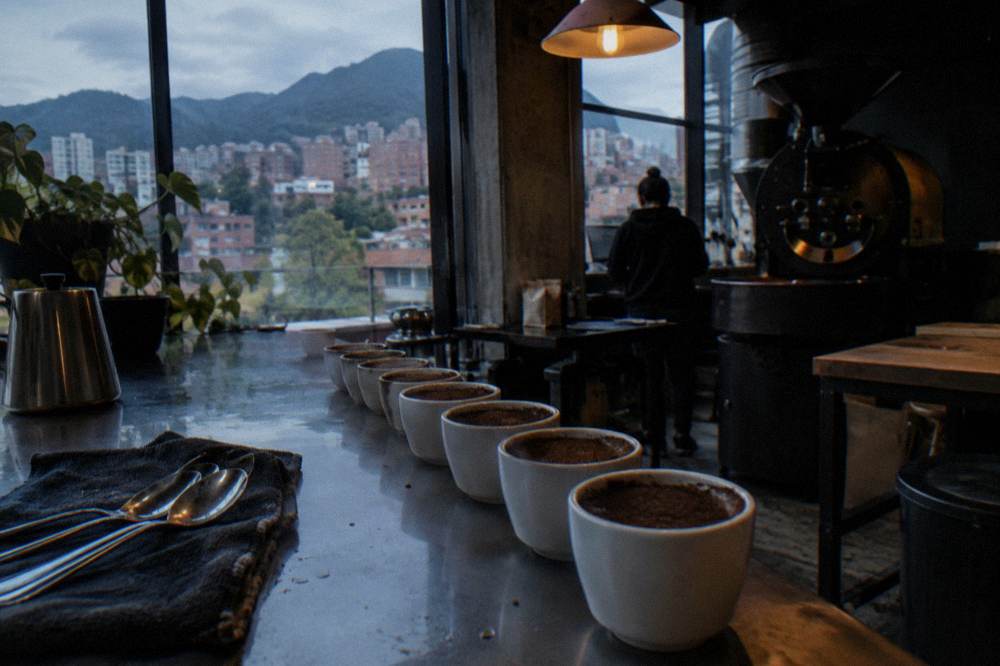
The guided route is more structured than wandering between cafés, and the city has good options at several price points. A Colombian coffee tasting, from $31.15 per person, runs about two hours and is rated 4.8 across 105 reviews; it is the natural first stop if you want varieties, roast levels and brewing methods explained rather than just sampled, and you can check the tasting tour details alongside Check availability. The deeper end is a full Coffee Farm Experience Day Tour, from $94 per person for eight hours, rated 4.8 across 87 reviews, which trades a city afternoon for seeing where the coffee actually grows. In between sits a combined coffee and chocolate tour, from $49 per person, 2 hours 15 minutes, rated 5.0 across 79 reviews, if your interest runs to both.
| Experience | Duration | Price basis | Rating and reviews |
|---|---|---|---|
| Colombian Coffee Tasting | 2 hours | from $31.15 per person | 4.8 across 105 reviews |
| Coffee and Chocolate tour | 2 hours 15 minutes | from $49 per person | 5.0 across 79 reviews |
| Specialty Coffee Workshops | 2 hours | from $49.95 per person | 5.0 across 149 reviews |
| Private Coffee & Chocolate Tour, La Candelaria | 4 hours | from $112, price varies by group size | 5.0 across 20 reviews |
| Coffee Farm Experience Day Tour | 8 hours | from $94 per person | 4.8 across 87 reviews |
The self guided route is the roasteries themselves. Public cuppings at Amor Perfecto and the SCA certified lab sessions at Catación Pública let you taste before you commit to a bag, and the roasting workshops elsewhere in the city, covered in the coffee tasting and cupping experiences guide, add hands on brewing technique. Whichever route you take, go before you shop: a palate calibrated on five Colombian cups makes the supermarket souvenir bag instantly recognizable as what it is.
The combined format deserves a word, because it suits visitors with limited time and mixed interests. Discussing coffee and chocolate side by side is not a gimmick in Colombia, both are tree crops with regional variation and both were historically prepared as drinks, and a two hour walk that covers both, from $49, is an efficient first evening in the city. The rest of the planning pages sit on Bogota Food Tours.
Should You Book A Tasting, A Workshop Or A Farm Day?
Match the format to your time and depth of interest: a $31.15 city tasting suits a first visit, a $49.95 two hour workshop suits someone who wants to brew better at home, and the $94 eight hour farm day suits travelers who want to see the harvest and processing with their own eyes. Review pools differ, with the workshops the most reviewed at 149 reviews, so the choice is about depth, not quality.
The three formats teach different things. A tasting teaches your palate what Colombian coffee can taste like, which pays off directly when you shop for beans afterward. A workshop teaches method: the Specialty Coffee Workshops, from $49.95 for two hours and rated 5.0 across 149 reviews, the largest review pool of any coffee experience described here, get hands on with brewing variables. The farm day teaches context, walking you through the picking, washing and drying that produce the grades described above, and justifying its higher price and full day length with material you cannot see inside the city.
Timing matters for the farm option. Day tours of this kind typically leave early and return in the evening, and the operator's booking page lists the meeting point, inclusions and current schedule, since itineraries shift with the harvest. Altitude is worth a thought too: Bogotá sits at about 2,640 m and the coffee farm day involves a long outing, so the standard advice of a day or two of adaptation, hydration and light meals before strenuous programming applies, as the eating at altitude discussion covers in more detail.
| Format | Best for | Time needed | Typical price |
|---|---|---|---|
| City tasting | Calibrating your palate before shopping | Half a morning or afternoon | from $31.15 |
| Specialty workshop | Brewing skills to take home | 2 hours | from $49.95 |
| Coffee and chocolate walk | Visitors with mixed interests | about 2 hours 15 minutes | from $49 |
| Farm day trip | Seeing harvest and processing firsthand | full day, 8 hours | from $94 |
For a private version of the city experience, a four hour private coffee and chocolate tour in La Candelaria runs from $112 with the price varying by group size, rated 5.0 across 20 reviews, which suits families or small groups who want the guide's attention to themselves.
What Should You Actually Buy To Take Home?
Buy whole beans, recently roasted, from a roaster that prints a roast date and a farm or region on the bag, and grind at home; expect the specialty lots at Bogotá roasteries to cost more than airport coffee for the same reason a high scoring lot costs more than a commercial grade. What is overpriced is pre ground souvenir coffee, decorated tins and anything without a date, not the expensive bag with a story you can verify.
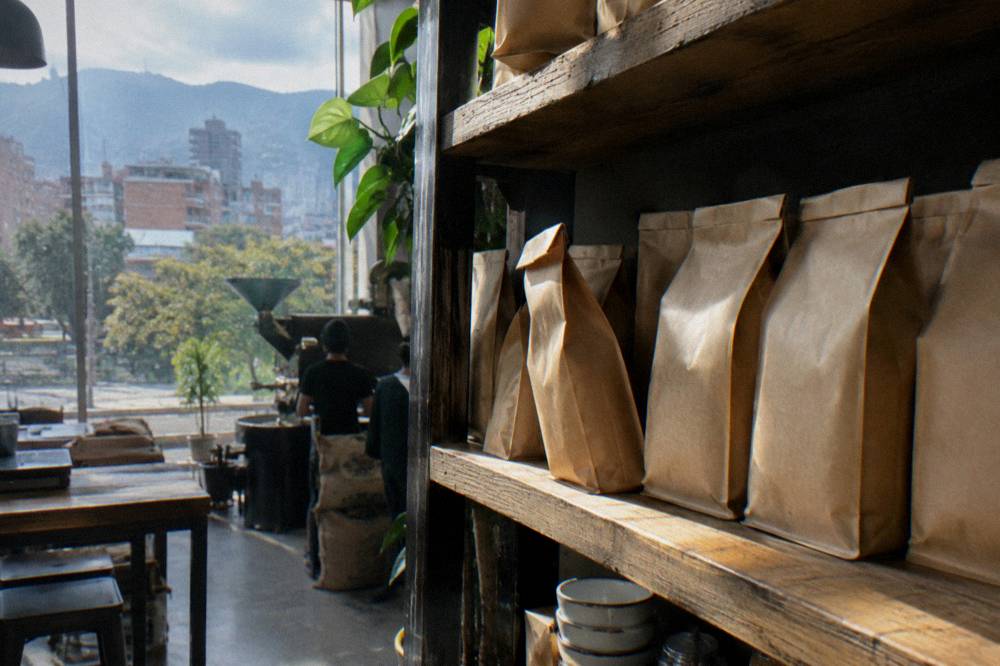
The checklist is short and unforgiving. Whole bean, always, because ground coffee stales in days and survives no flight well. A roast date, ideally within the past month, because roast date beats every other claim on the bag. An origin, farm or at minimum a region, because that is your traceability. A varietal when offered, because Colombian lots like Pink Bourbon or Sudan, the kind Café 18 pours, are genuinely hard to find abroad. And a one way valve bag or solid packaging, because the enemies of your beans are oxygen, light and time.
Where you buy shapes what you get. The roasteries listed above all sell retail beans, with Colo Coffee and Amor Perfecto among those stocking shelves directly and Varietale rotating whatever regional lots it has most recently milled. Airport and hotel shop coffee is not automatically bad, but the selection skews toward decorated bags with long shelf lives rather than fresh roasts, and the price per quality unit is worse. If your luggage space is limited, prioritize one excellent micro lot over several average bags, and buy it in the last days of your trip, not the first.
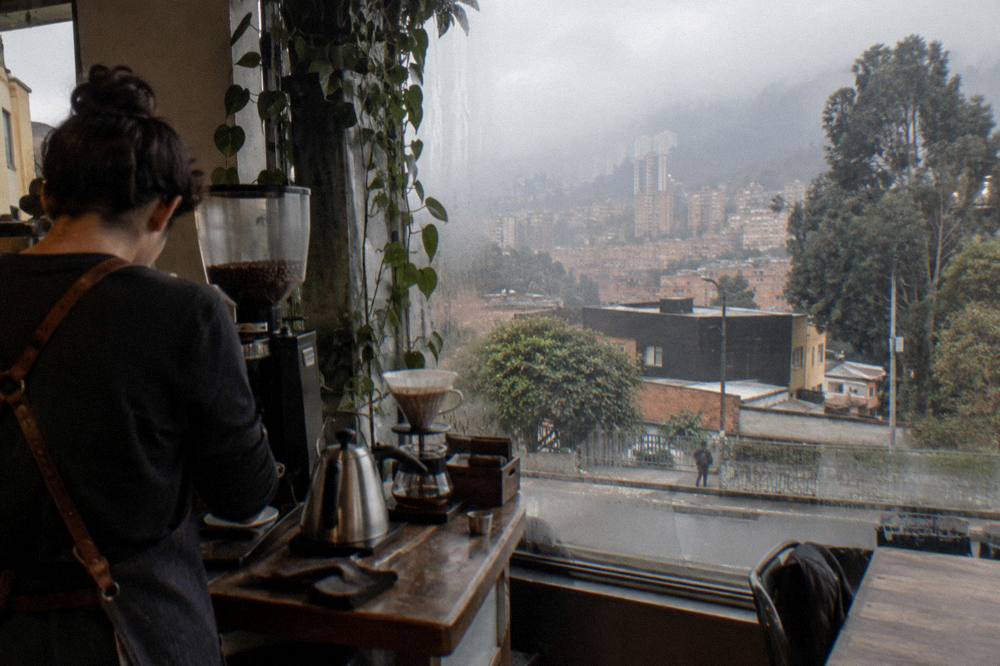
What about chocolate, since the two share shelf space and several tours pair them? Colombian cacao exports reached US$413.1 million in 2025, up 16.4 percent by volume, and the bean to bar scene is real, but apply the same rules: maker, origin and, for chocolate, a production date or at least a recent listing. The dedicated chocolate santafereño guide covers that side of the aisle, including the historic spots serving hot chocolate with cheese.
If you want your purchase decision informed by hands on experience, the roasting and filtration focused session, from $100.02 for two and a half hours, walks through roasting, filtration and espresso in one go, though its review pool is small so judge it by the description rather than the rating. Details and inclusions are on the operator's booking page.
Is Colombian Coffee Getting Scarcer Or Pricier?
Yes, by the official 2026 figures: exports fell 13.8 percent year on year to 8.45 million sacks in January to September, coffee year production dropped 15 percent to 12.65 million sacks, and 2026 output is projected 10 to 15 percent below 2025, which supports higher prices for the best lots while supermarket coffee stays cheap. September 2026 did show a 9 percent export rebound, so it is pressure, not collapse.
For a shopper in Bogotá this mostly means one thing: the price gap between traceable specialty lots and commodity grade bags is unlikely to shrink soon. Scarcity hits volume first and the lots at the top of the quality ladder least, but farmers facing lower yields hold their best coffee for buyers who pay properly, which is the entire logic of direct trade models like Azahar's. The 90th national coffee summit convening in Cartagena on 5 and 6 November 2026 is where the sector's response gets argued out, and its outcomes will shape next year's harvest investment.
None of this argues for panic buying. It argues for buying well: one dated, traceable bag from a roastery beats four undated ones from anywhere, at any price. The scene that makes such bags easy to find, roasteries opening rather than closing, public cuppings running weekly, certified graders pouring 80 point coffees from a dozen farms, is the strongest signal that Bogotá is currently one of the better cities in the world to buy Colombian coffee in, and the visitor who spends ninety minutes learning to read a label leaves with luggage that keeps giving for a month.
Common Questions About Colombian Coffee
What Does Specialty Coffee Mean In Colombia?
It means coffee that scores 80 or more points on the professional 100 point cupping scale, judged by trained or certified graders. It is a measurable threshold rather than a marketing word, though not every café using the term prints a score, so look for a score, a farm name and a roast date together.
How Are Colombian Coffee Grades Determined?
Mainly by bean size and defect count, with larger, denser beans and cleaner lots earning the higher export grades. Grading describes the raw beans' uniformity and cleanliness; the 100 point cup score describes how the coffee tastes once roasted, and the best bags carry both.
What Should I Look For On A Bag Of Colombian Coffee?
Whole beans, a roast date within roughly the last month, and a named origin such as a farm or region. Varietal names like Pink Bourbon add value when offered. Skip pre ground souvenir bags and anything without a date, whatever the decoration.
How Much Does A Coffee Tasting In Bogotá Cost?
From $31.15 per person for a two hour guided Colombian coffee tasting, from $49.95 for a two hour specialty workshop, and from $94 for an eight hour farm day trip. Check each operator's booking page for current inclusions and schedules.
Is Colombian Coffee Getting More Expensive In 2026?
The official figures point that way: exports fell 13.8 percent in January to September 2026 and coffee year production dropped 15 percent, with full year output projected 10 to 15 percent below 2025. Expect the premium for traceable specialty lots to hold or rise, while commodity grade stays cheap.
Can I Visit A Coffee Farm From Bogotá?
Yes, an eight hour Coffee Farm Experience Day Tour runs from $94 per person, rated 4.8 across 87 reviews. It is a long day at altitude, so plan it after a day or two of acclimatization, and confirm the meeting point and inclusions on the booking page.