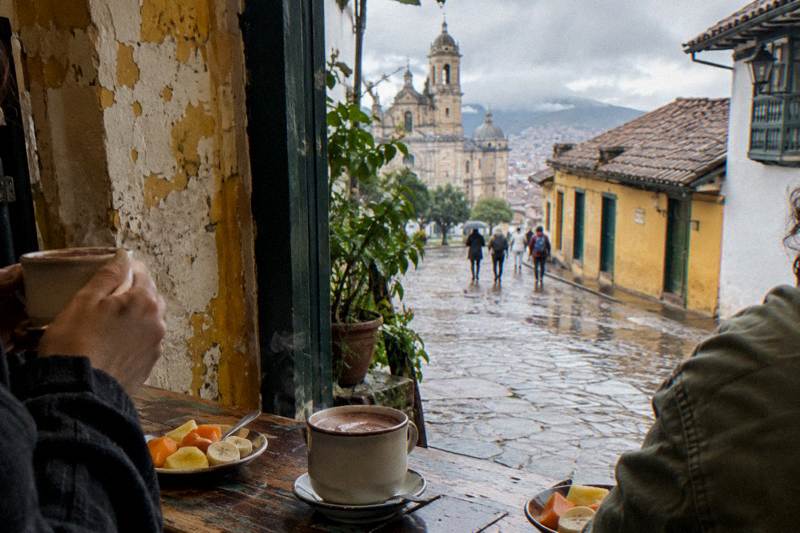
What Is The Best Part Of Bogotá To Stay In?
Where to sleep in Bogotá if the trip is about eating: La Candelaria, Chapinero, Usaquén and Zona G compared, with tour meeting points and 2026 neighbourhood facts.
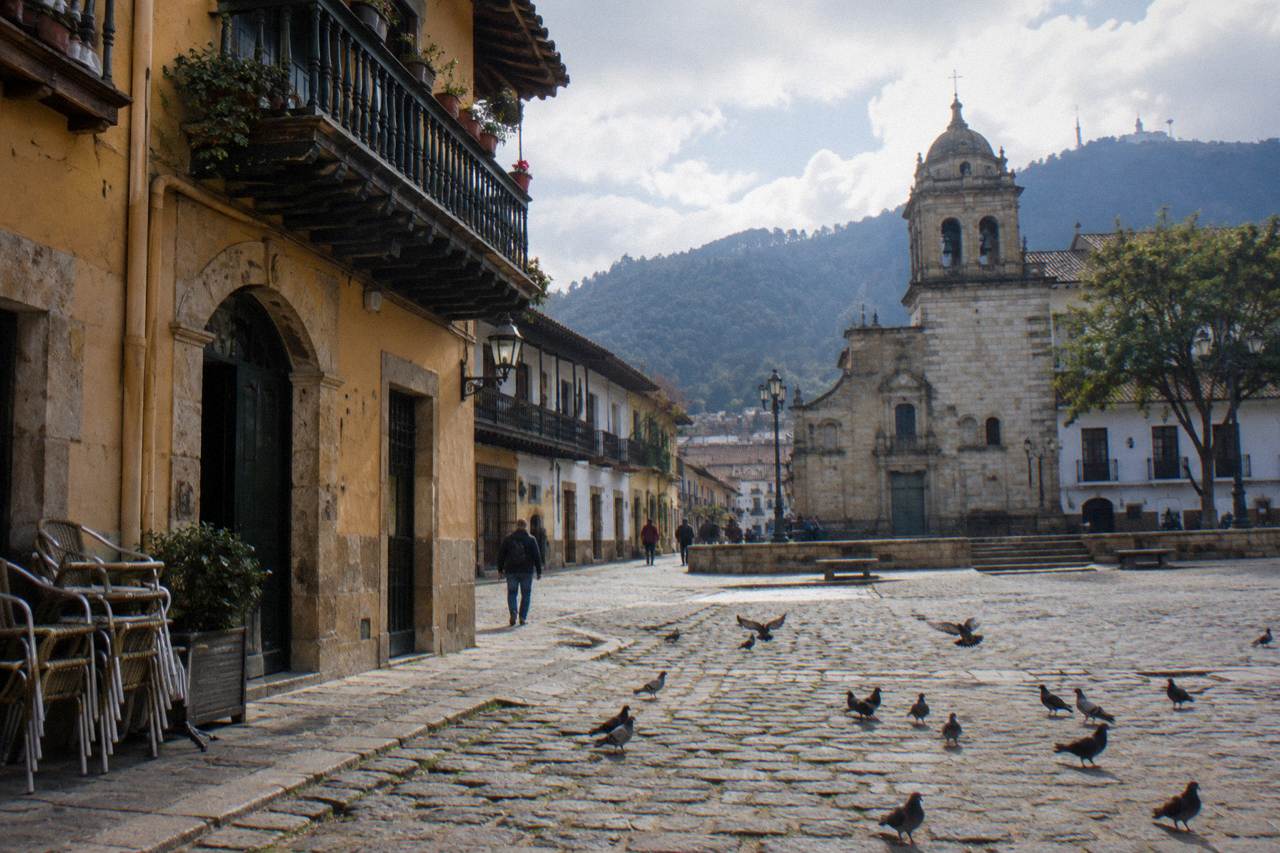
For a first food-focused visit, Chapinero is the strongest all-round base: central, dense with restaurants and specialty coffee, and reported in 2026 neighbourhood guides as one of the safer, better-policed districts for walking. La Candelaria is the best base if you want the old city's markets, tamal counters and colonial streets on your doorstep, and Usaquén wins for a quieter Sunday-market pace in the north.
There is no single answer that fits every traveller, because Bogotá is a city of separate food worlds stacked on top of each other. The historic centre around La Candelaria holds the tamal shops, the chocolate santafereño counters and the market-adjacent breakfast culture. Chapinero, a short ride north, holds the contemporary restaurant scene, the specialty roasters and, in Chapinero Alto specifically, a neighbourhood that Time Out named the seventh coolest in the world for 2026, the only Latin American entry in its top ten. Further north still, Usaquén, Zona G and Parque 93 concentrate the hotel-and-dining clusters where much of the city's newer openings land.
The decision usually comes down to atmosphere versus access. Staying in La Candelaria puts you inside the postcard, with the pickpocket-and-side-street cautions that a dense tourist district carries, while staying in Chapinero or the northern zones puts you in more residential, evening-friendly streets that sit between you and the old city. A tasting walk in the centre is a 3 to 4 hour commitment, not a daily commute, and many visitors find the smarter play is to sleep somewhere comfortable and walk where the food is.
If you already know your dates, it is worth checking which tours and markets line up with them. Paloquemao market, the city's famous fruit and flower plaza, opens Monday to Saturday from 4:30 a.m. to 4:30 p.m. and on Sundays and holidays from 5:00 a.m. to 4:30 p.m., so a northern base still catches it comfortably on a morning plan.
Is La Candelaria The Best Base For A Food Walk?
Yes, if the old city's food culture is the reason you came. La Candelaria and the historic centre host the tamal and ajiaco counters, the 1816-founded chocolate houses and the street stalls of the colonial core, and the Food Tour in La Candelaria Bogotá, rated 4.9 across 72 reviews, starts right here, from $63 per person with the price varying by group size.
The case for sleeping in La Candelaria is simple: you wake up inside the neighbourhood everyone else rides into. Breakfast in Bogotá is a serious meal, changua, calentado and tamal with hot chocolate, and the historic centre has the densest supply of old-school versions of all three. La Puerta Falsa, operating since 1816 next to the Catedral Primada, is the most famous place in the city for chocolate santafereño served with cheese to melt into the cup, plus almojábanas and bread.
The trade-offs are real, and the 2026 neighbourhood reports state them plainly. La Candelaria is described as safe on its main streets and squares during the day, when the museums and plaza life are in full swing, with a higher pickpocket risk than other districts, and with guidance against walking alone after dark or into side streets. That is a daytime food neighbourhood with an evening curfew, in effect, unless you are moving by car or app. Visitors who want dinner-and-drinks energy within walking distance tend to sleep further north.
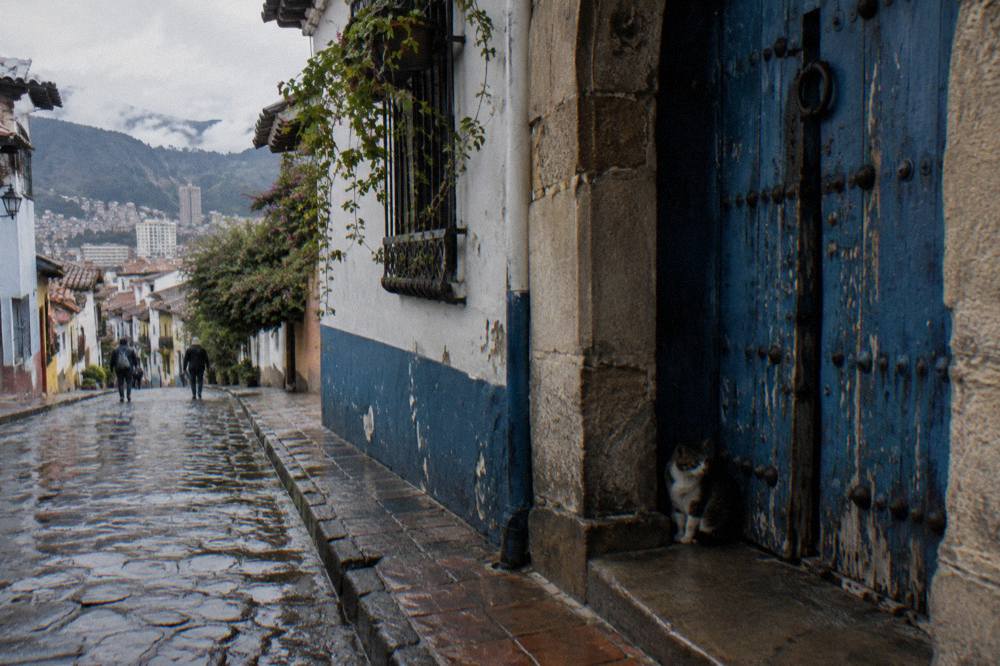
Two tasting formats anchor the neighbourhood. The Food Tour in La Candelaria Bogotá runs 3 hours with tastings included, and you can check the tour page for the meeting point details before you book, since the exact spot and inclusions come from the listing. The Shared Gastronomy Tour in the Historic Center is the budget-conscious alternative, from $15 as a guide fee with tastings at roughly US$12 extra paid as you go, rated 4.9 across 291 reviews. That price structure suits travellers who want flexibility more than an all-inclusive walk.
Staying here also shortens the morning market run. Paloquemao is a short taxi or TransMilenio hop from the centre, and its wholesale energy, trucks unloading, vendors offering tastes of granadilla, lulo and uchuva, runs from before dawn until roughly mid-morning on weekdays. A centre base plus an early start is the classic pairing for a first food day in Bogotá, and our guide to Paloquemao market hours and the best time to go breaks down the timing in detail.
Why Chapinero Suits Food-Lovers Who Want The Modern Scene?
Chapinero is the best base for the contemporary half of Bogotá's food culture: the specialty coffee roasters, the chef-driven restaurants and the bar streets, all inside a district the 2026 reports describe as safer and more policed for day and evening walking. Its Chapinero Alto section was named the world's seventh coolest neighbourhood for 2026.
If La Candelaria is where Bogotá's food came from, Chapinero is where it is going. The district runs from the commercial spine of Carrera 7 up into the leafy Alto, and it stacks several different trips on top of each other: the Zona Rosa and Zona T nightlife blocks, the Zona G restaurant cluster on its eastern edge, and the coffee belt where roasters like Amor Perfecto, a 1990s pioneer with public cuppings, and Azahar Coffee, which sources directly from more than 420 Colombian farmers, keep long morning queues of regulars. In September 2026, Time Out placed Chapinero Alto seventh in its global coolest-neighbourhoods ranking, the only Latin American entry in the top ten, citing exactly this dining density.
For food logistics, Chapinero is the pragmatic centre of the city. The northern hotel zones and the historic centre both sit within a 15 to 25 minute ride, and TransMilenio's troncal lines run straight down the district, with a unified fare of COP 3,550 since 14 January 2026 and a 125-minute free transfer window. Evening eating is the district's real advantage over the centre: the 2026 reports flag phone snatching on Carrera 7 in the evenings, a normal-city caution rather than a no-go verdict, but otherwise describe Chapinero, including Zona Rosa and the Gourmet corridor, as among the safer areas for walking with standard precautions.
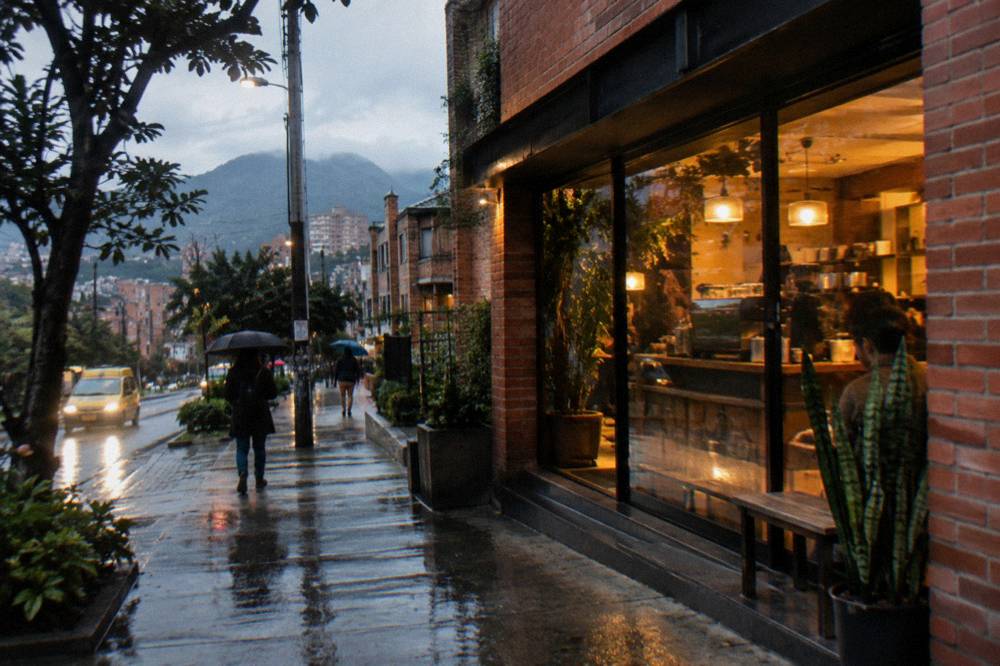
Chapinero is also where much of 2026's opening energy landed. Longo's opened its seventh location here in September, in a restored architectural-conservation house with a wood-fired oven, and the VegUp! plant-based festival in September and October drew participating restaurants across the city, with roughly 36 percent of Bogotá restaurants now offering vegan or vegetarian options per city reporting. For a traveller who wants dinner to be an event and not just fuel, this is the district.
The one thing Chapinero lacks is the old city itself, so a stay here pairs naturally with one deep day in the centre. The Viejo Bogota Food Tour with 12+ Tastings, rated 5.0 across 714 reviews, the largest review pool among the food walks compared on this site, runs 4 hours from $55 per person through the historic streets, a format that covers the colonial core's eating in a single afternoon before you ride back north for dinner.
What About Usaquén, Zona G And The Northern Zones?
The northern zones suit travellers who want hotel comfort and a calmer pace: Usaquén for its weekend flea-and-food market and village feel, Zona G and Parque 93 for the concentration of dining that earned three Bogotá hotels Michelin Keys in the 2026 guide, the first the city has received.
Usaquén, at the top of the city, was its own town once and still feels like one, low buildings, a plaza, a Sunday market. The Mercado de las Pulgas de Usaquén runs Saturdays, Sundays and holiday Mondays from 9:00 a.m. to 5:30 p.m. on Carrera 6A between Calles 119 and 120A, with food stalls selling arepas, fresh-cut fruit with salt and lime, empanadas and hot chocolate. It is the gentlest food experience in the city, and it pairs with a morning of browsing rather than a structured eating mission. Roasters have followed the crowds north, too: Colo Coffee Roasters runs a Usaquén location with visible in-house roasting, and Catación Pública, also in Usaquén, operates an SCA-certified cupping lab with public cuppings led by a certified Q-grader featuring 80-plus SCA-point coffees from 12 Colombian farms. More of these guides are collected on Bogota Food Tours.
Zona G and Parque 93, on Chapinero's northern boundary, are the fine-dining cluster. The 2026 Michelin guide awarded Keys to the Four Seasons Hotel Bogotá near Zona Rosa and the Four Seasons Casa Medina in Zona G, while Hotel Casa Legado in Quinta Camacho kept its Key, recognition the city government reported in October 2026 as part of Colombia's eleven total. Around those hotels sits much of the restaurant scene that put Bogotá on international lists: El Chato in Chapinero was named number one in Latin America's 50 Best in December 2025, and no Colombian restaurant had appeared in the world list's 51 to 100 positions as of late October 2026.
The comparison below is the honest shorthand for choosing between the city's three food-first bases:
| Base | Best for | Evening eating | Market access | Main caution |
|---|---|---|---|---|
| La Candelaria | Old-city food, breakfasts, walking-distance history | Limited, side streets after dark discouraged | Paloquemao a short ride; historic-centre stalls on foot | Pickpocket risk on crowded streets |
| Chapinero | Restaurants, coffee roasters, nightlife, transit | Excellent, Zona Rosa and Zona G nearby | Mid-week grocery and speciality markets; Paloquemao by transit | Phone snatching reported on Carrera 7 evenings |
| Usaquén / Parque 93 | Quieter pace, weekend market, hotel comfort | Very good around Parque 93 and Zona G | Usaquén flea-and-food market, weekends only | Longest ride to the historic centre |
Distances matter for a food trip because Bogotá's traffic is part of the itinerary. From Usaquén to La Candelaria you should plan on the better part of an hour at peak times, which is fine for a scheduled tour with a fixed meeting point and punishing for spontaneous second trips. Chapinero splits the difference, which is why it keeps coming up as the all-round answer.
How Does Safety Shape The Choice Of Neighbourhood?
Choose using the published advisories and the 2026 neighbourhood reports, not rumour: the US State Department advisory for Colombia is Level 3, Reconsider Travel, issued 31 March 2026, with no department at Level 4 covering Bogotá itself, and the 2026 reports describe Chapinero, Usaquén, Parque 93 and Teusaquillo as the more policed visitor districts, with La Candelaria safest by day on main streets.
The advisory picture deserves a plain reading. The Level 3 designation applies to Colombia as a whole, and the departments named at Level 4, Arauca, Cauca except Popayán, Valle del Cauca except Cali and Norte de Santander, are nowhere near the capital. The UK travel advice similarly names specific regions and treats the country overall with standard precautions. None of that is a verdict on a Bogotá street corner, and conditions change, so check the advisory pages before you travel rather than relying on a summary.
Inside the city, the pattern visitors actually notice is density and street life. The northern zones and Chapinero stay active into the evening, which generally means more people, more police presence and easier app-based rides home. La Candelaria empties after the museums close, and the 2026 reports advise against walking alone there after dark. The practical translation: stay wherever you like, but plan your evenings around the northern districts and your mornings around the centre.
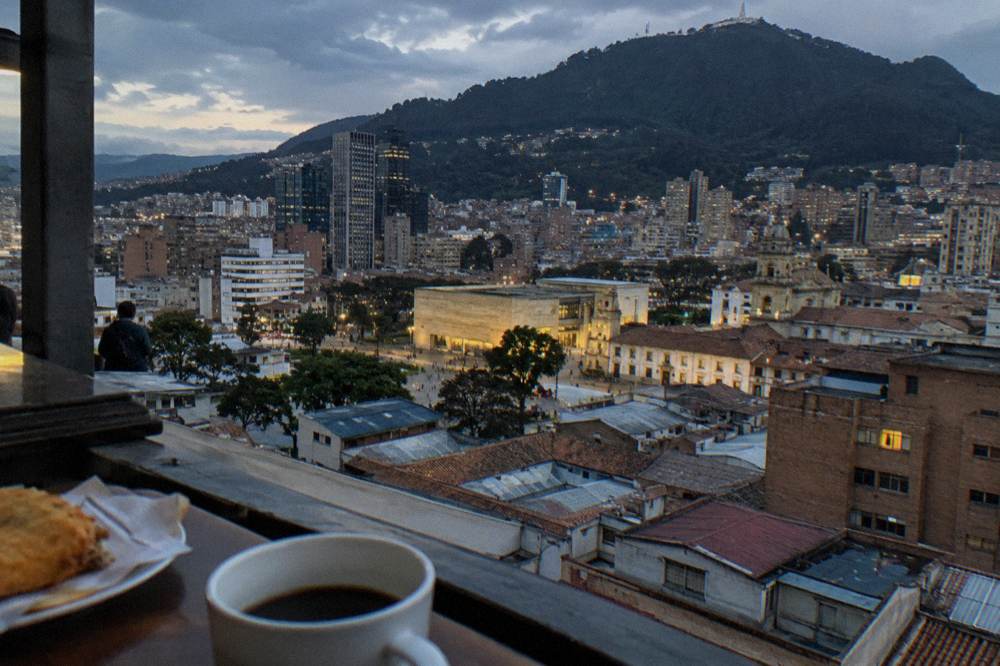
Altitude belongs in this conversation too. Bogotá sits at roughly 2,640 m, and the city's own health guidance for first-time visitors recommends one to two days of adaptation before strenuous activity, heavy hydration, light meals and limited alcohol. A first-night base with easy access to food, rather than a long evening search for dinner after a late flight, is a genuine comfort decision. Our article on eating at altitude in Bogotá covers the meal-planning side in full.
How Does Your Hotel Choice Affect Food Tour Logistics?
It matters less than you might think, because the food walks compared here meet in or near the historic centre, so any base works if you can reach a central meeting point on time; what actually changes is your day's shape, since a northern base means a scheduled ride to the meeting point while a central base means rolling out of bed into the walk.
Meeting points come from each tour's booking page, and you should always check them there before you book, since operators adjust start locations. What the listings consistently show is a centre-of-gravity in the historic centre, which is also where the densest concentration of stalls, markets and old restaurants sits. A traveller in La Candelaria walks to the start; a traveller in Chapinero or Usaquén books a ride and builds a buffer for traffic.
The Bogotá Food Experience: Cultural & Culinary Tour illustrates the format: 4 hours, from $47.15 per person, rated 4.9 across 615 reviews, a cultural-and-culinary walk through the centre's food history. That is a mid-morning-to-afternoon commitment that fits neatly before an evening back in the north, which is exactly the two-base rhythm most food-first visitors end up running.
Dietary needs are worth a message to the operator before booking rather than an assumption on the day; no listing here is described as vegan or gluten-free, so ask directly. The same goes for tasting counts and stop lists: the listing describes what each walk includes, and those details are the contract, not a blog summary.
Whichever district wins, the underlying advice from Bogota Food Tours is the same: pick the neighbourhood that matches your evenings, and let a guided tasting walk handle the old city, where the eating knowledge is densest and a guide saves you the most guesswork. If you are still building the wider plan, our piece on how many days in Bogotá is enough helps you size the trip before you commit to a base.
If you are ready to match a walk to your dates, these three centre-based tours are the natural starting points:
Common Questions About Where To Stay In Bogotá
What Is The Best Part Of Bogotá To Stay In?
Chapinero is the strongest all-round base for a food-focused first visit, with the restaurant and coffee density of Zona G and Zona Rosa nearby and reliable transit to the historic centre. La Candelaria is best if you want the old city's breakfasts and colonial streets on your doorstep, and Usaquén suits a calmer, weekend-market pace.
Is La Candelaria Safe For Tourists At Night?
The 2026 neighbourhood reports describe La Candelaria as safe on main streets and squares during the day but advise against walking alone after dark or in side streets. Plan evening meals in Chapinero or the northern zones and return to the centre by app-based ride or taxi.
Which Neighbourhood Is Best For Restaurants In Bogotá?
Zona G and Chapinero concentrate the most recognized dining, including restaurants on Latin America's 50 Best lists, and Chapinero Alto was named the seventh coolest neighbourhood in the world for 2026 by Time Out. Usaquén and Parque 93 add a quieter, high-quality cluster in the north.
Do I Need To Stay Near The Meeting Point Of A Food Tour?
No. The tours compared here meet in or near the historic centre, reachable from any base by ride or transit, but always check the meeting point on the booking page before you book, and leave a buffer for traffic if you are coming from the north of the city.
Is Usaquén Worth Staying In For Food?
Yes, especially over a weekend. The Usaquén flea-and-food market runs Saturdays, Sundays and holiday Mondays from 9:00 a.m. to 5:30 p.m. with arepas, fresh fruit, empanadas and hot chocolate, and the district also hosts specialty roasters and a village-like plaza dining scene.