Aguardiente And Colombian Spirits: What To Drink And How
Aguardiente is the drink most Colombians reach for at a celebration, and Bogotá is where visitors first meet it. Here is how it is served, what else is in the national drinks cabinet, and how to enjoy it at altitude without wrecking the next morning.
Short answer
Aguardiente is Colombia's anise-flavored sugarcane spirit, usually drunk neat in small shots and shared in rounds. In Bogotá it sits alongside Colombian rum, craft beer and hot canelazo. Expect around 80,000 COP for a craft pint in a Chapinero pub and 45,000 COP per person for tejo with two beers, all reported prices.
Aguardiente, literally "fire water", is the spirit that shows up at Colombian birthdays, weddings, football wins and Sunday lunches. It is clear, sweetened only by anise, and cut to 24 to 29 percent alcohol depending on the brand and the region. For most visitors it is also the most surprising part of eating in Bogotá, because the local way of drinking it, small shared shots, no mixer, no ice, is nothing like the tequila rituals people arrive expecting.
This guide covers what aguardiente actually is, how Bogotá serves it, what rum and other Colombian spirits deserve a place in your evening, and what drinking at 2,640 m above sea level does to your body. It also lays out the tasting experiences that include a drink stop, with prices from the operators' own booking pages, and the reported local prices for a round in the city so you can budget a night out. One thing to hold onto throughout: at this altitude, less goes further, and the city's own health guidance says so plainly.
What Is Aguardiente And Why Colombia Drinks It
Aguardiente is a clear, anise-flavored spirit distilled from sugarcane, typically 24 to 29 percent alcohol, and it is Colombia's default celebratory drink. It is drunk neat, in small shot glasses, and almost always in shared rounds rather than ordered as a solo cocktail. Every region defends its own brand as the only correct choice.
The word covers a family of spirits across Latin America and Spain, but the Colombian version has its own identity. It is made from sugarcane alcohol, flavored with anise, and sweetened slightly. The result is a liquor that tastes closer to Greek ouzo or French pastis than to rum or whisky, and it is served cold if possible, never mixed. Colombians will tell you the anise is what makes it smooth; skeptics will tell you the anise is what makes the second shot easier than the first.
Brand loyalty is regional and fierce. Antioquia and the coffee region drink Aguardiente Antioqueño, the most exported label. The coast leans toward Cristal, the interior has Rojo and Rojo Negrio, and until recently each department guarded its own monopoly brand by law. That last part changed in February 2025, when Colombia's Constitutional Court issued Ruling C-032/2025, striking down the departmental barriers that kept outside brands out. The practical effect, reported through 2026, is that brands like Amarillo, once confined to their home departments, can now legally reach Bogotá, so the shelf in a capital liquor store is wider than it was two years ago. For a visitor, the fun part is that any local you share a table with will have an opinion about which one is right.
There is also an unsweetened strand worth knowing about. Aguardiente sin azúcar, sugar-free aguardiente, exists for drinkers who want the anise without the added sugar, and it is increasingly common in cities. If you are watching sugar intake, ask for it by name, "sin azúcar", because a menu that just says aguardiente will bring the sweetened version.
How Aguardiente Is Served And Drunk In Bogotá
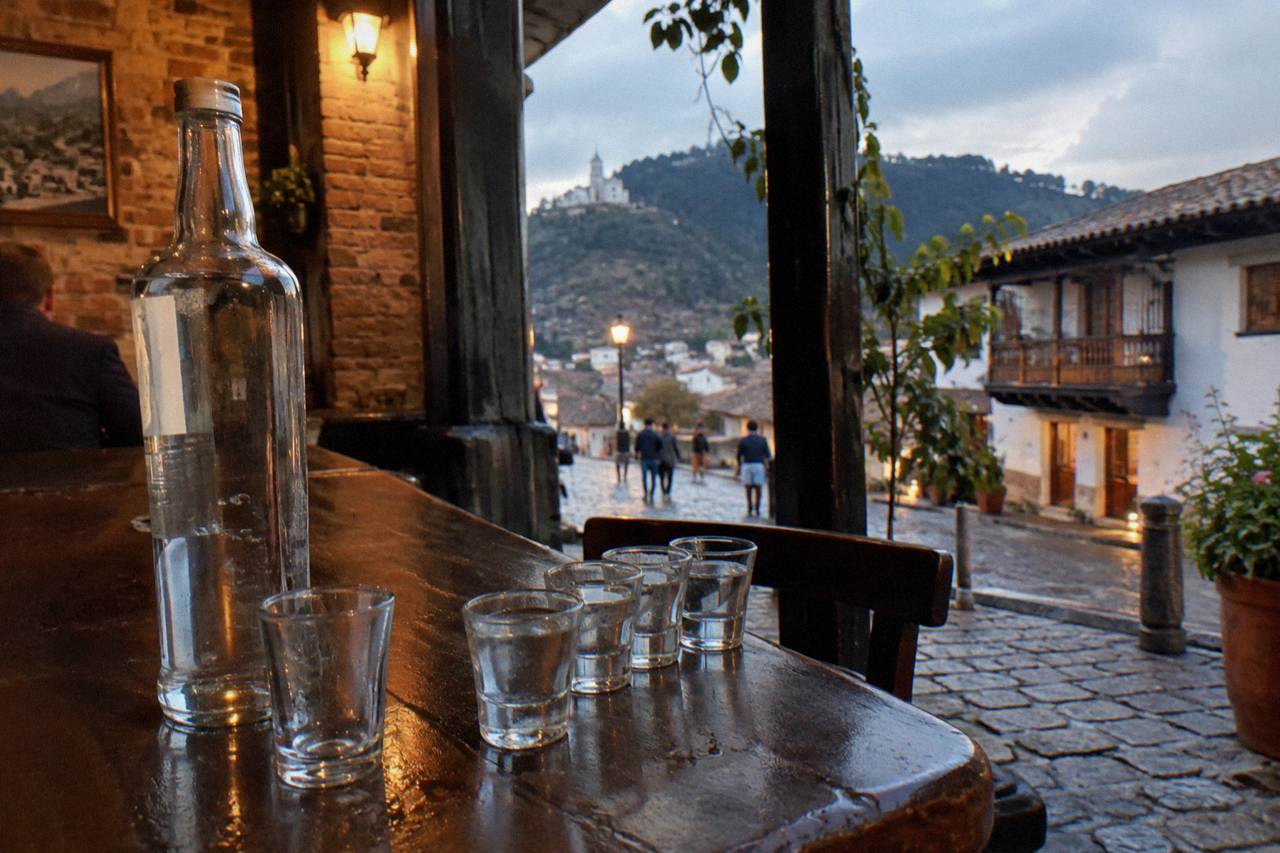
In Bogotá, aguardiente arrives in a frosted bottle or small flask, is poured into tiny shot glasses called shoticos or pistonucos, and is drunk in rounds where one person buys the bottle and pours for everyone. Nobody sips slowly or mixes it. The etiquette is simple: wait your pour, raise the glass, drink it in one motion, and pass the bottle on.
The round system, the ronda, is the heart of it. One person orders the bottle and pours for the group. The next round belongs to someone else, and refusing a pour without a reason reads as standoffish even though nobody will force you. The polite refusal is a hand over the glass and a "gracias, no estoy tomando", thank you, I am not drinking. That works, and it works better before the first pour than after.
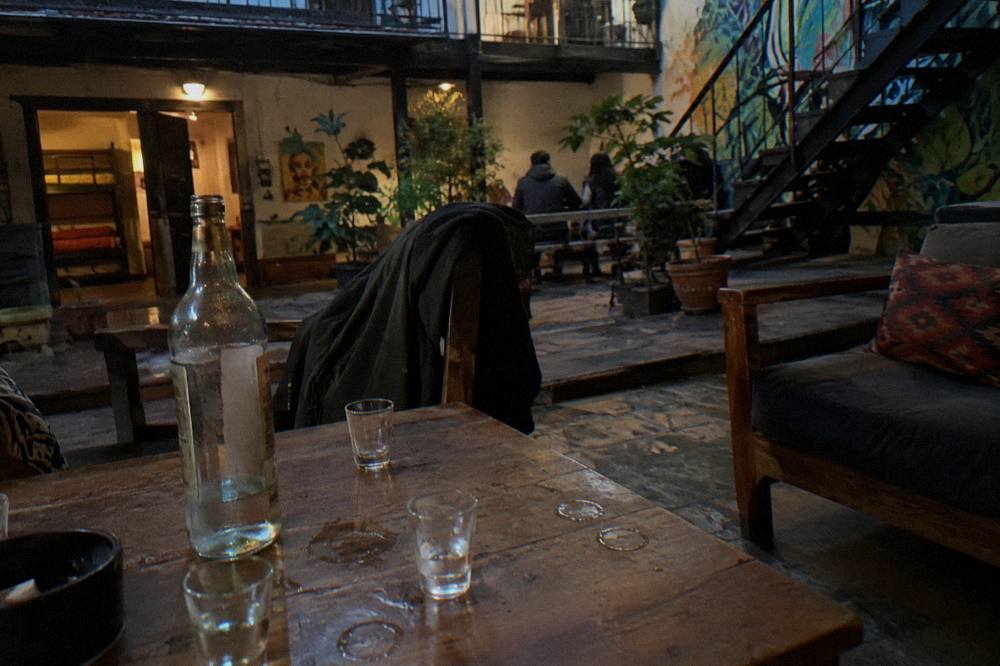
Where you drink it shapes the night. In La Candelaria and the student strips, aguardiente comes out of corner shops and is drunk standing in the plaza-adjacent streets, which the neighbourhood reports flag as higher-risk after dark, so keep to busier streets. In Chapinero and Zona Rosa, it is table service in bars. At social clubs built around tejo, the national throwing game where steel discs land near small gunpowder targets that pop, the drink and the game are sold as one package: reported 2026 pricing at one Chapinero venue, Tejo Turmequé on Calle 57, runs from 45,000 COP per person for one hour of tejo plus two beers, with group combos including a picada platter and aguardiente from around 447,000 COP. The bang of the mechas, the powder targets, punctuates the evening, and the drink is deliberately paced between throws.
The main brand families you will actually see behind a bar or on a shop shelf break down by region like this:
| Brand | Home region | Where you will most often see it | Notes |
|---|---|---|---|
| Aguardiente Antioqueño | Antioquia | Nationwide; the most exported label | The default pour in much of the country |
| Cristal | Caribbean coast | Barranquilla, Cartagena, coastal cities | The coast's clear favourite |
| Rojo and Rojo Negrio | Central interior | Bogotá, Boyacá, the highlands | Traditional in the capital's home region |
| Amarillo | Caldas and the coffee region | Increasingly in Bogotá since Ruling C-032/2025 | Widely available in the capital after the court opened departmental markets |
| Sin azúcar versions | Several brands offer one | Cities, especially bars | Same anise flavor, no added sugar |
It pairs with food the way locals actually eat. A plate of lechona, the stuffed roast pork of Tolima, or a fritanga spread of fried pork, plantain, chorizo and blood sausage, is classic aguardiente territory, and market plazas like La Perseverancia serve those dishes from family stalls during the day. Salty, fatty food slows the alcohol down; on an empty stomach at altitude, the same bottle hits very differently. More on that below, but the short version is that the local pairing culture is not an accident.
If your interest in local drinks is really an interest in the whole evening, a guided walk bundles several of these experiences into one route. Details on each follow in the tasting section below.
Rum, Canelazo And The Rest Of The Colombian Drinks Cabinet
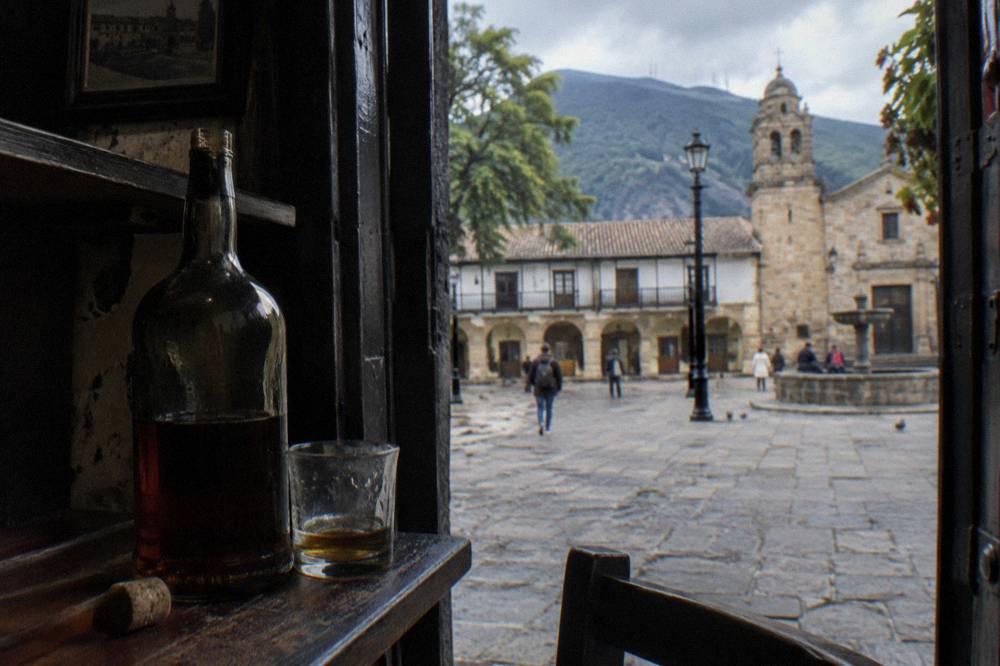
Colombian rum is the country's other serious spirit, aged sugarcane distillates sold under labels like Dictador and La Hechicera, and it is what locals drink when they want to sip rather than shoot. Alongside it sit canelazo, a hot aguardiente-and-panela drink from the cold regions, and a fast-growing craft beer scene led by 3 Cordilleras.
Start with rum, because it is the one Colombian spirit visitors most often underestimate. Colombia ages rum in the tropical heat of the Caribbean coast, which speeds maturation, and labels such as Dictador, with its Colombian roots and international following, and La Hechicera, from Barranquilla, hold their own against anything in the region. Bars in Chapinero Alto, which Time Out named the seventh coolest neighbourhood in the world for 2026, carry Colombian rums by the glass, and a slow rum after dinner is a normal, unremarkable order.
Canelazo is the cold-weather answer. It is a hot drink of aguardiente, panela, unrefined cane sugar, cinnamon and lime or other fruit, served steaming, and it belongs to the highland and páramo regions rather than to Bogotá itself, though it appears on menus wherever the night gets cold, which in Bogotá is most nights. A non-alcoholic canelazo, the same drink minus the spirit, is common and is a genuinely good option if you want the warmth without the shot. Do not confuse it with chocolate santafereño, hot chocolate served with cheese to melt in, which is a daytime tradition of its own; the chocolate santafereño guide covers that one in full.
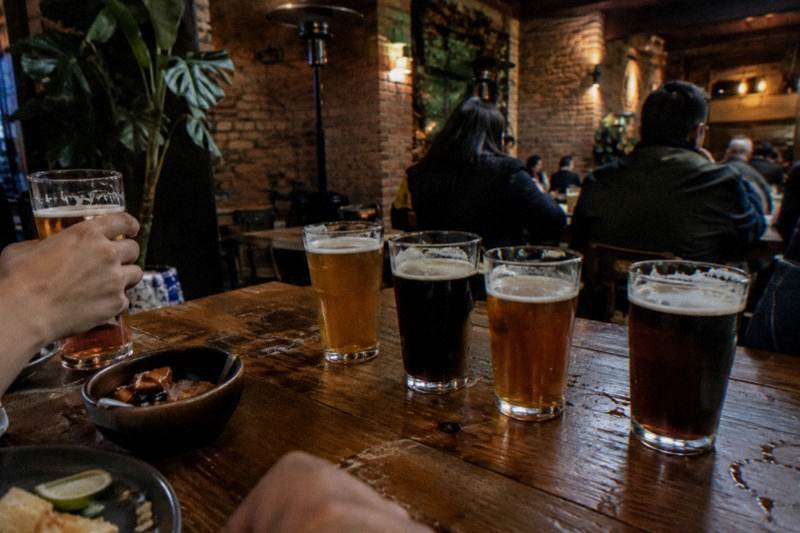
Craft beer is the third pillar and it has scaled fast. 3 Cordilleras, founded in Medellín, turned 18 in 2026 and now holds roughly 48 percent of Colombia's artisanal beer market by share, with medals at the 2026 Copa Cervecera Internacional La Pola Dorada including silver for its Red IPA and bronze for Mulata. Bogotá Beer Company, present across the city with pubs in Chapinero and Zona T, pours pints reviewed at around 80,000 COP. The city hosted its Festival de la Cerveza Artesanal on 23 and 24 October 2026 at Gran Estación with 60 local producers, and if you are planning ahead, the Vino al Parque wine festival runs 27 to 29 November 2026 with more than 1,100 wine references and over 120 by-the-glass options, plus food stalls. The Bogotá craft beer guide goes deeper on where to drink it.
The cluster of other spirits worth a sentence: crema de aguardiente, a cream liqueur version, exists for dessert drinkers; aguardiente-based cocktails appear on Chapinero menus but purists will gently steer you back to the bottle; and colombian gin and vodka production is small but real. For most visitors the honest shortlist is aguardiente, aged Colombian rum, craft beer, and a hot canelazo, in that order of cultural weight.
| Drink | What it is | How it is served | Ballpark, reported |
|---|---|---|---|
| Aguardiente | Anise-flavored sugarcane spirit, 24 to 29 percent | Neat, chilled, small shared shots | Sold by bottle for the table; check the venue |
| Colombian rum | Aged sugarcane spirit, labels like Dictador, La Hechicera | Neat or on the rocks, sipped | Varies by age statement; check the menu |
| Canelazo | Hot aguardiente, panela, cinnamon and fruit | Steaming mug, cold nights | Check the venue; alcohol-free version common |
| Craft beer | 3 Cordilleras, BBC and local independents | Draft pint in pubs | Around 80,000 COP a pint, reported |
| Tejo session | Throwing game with gunpowder targets, beer included | One-hour court rental, Chapinero venues | From 45,000 COP per person with two beers, reported |
If a guided drinks evening appeals, the natural fit is the craft beer tasting walk: three hours, from $149.53 per person, rated 4.9 across 121 reviews, visiting Bogotá's breweries and taprooms with tastings included. It is the one tasting experience in the city built squarely around local brewing. For a broader route, the Viejo Bogota food walk packs 12 or more tastings into four hours, from $55 per person, rated 5.0 across 714 reviews, the most reviewed food walk in the city, and the Bogotá Food Experience covers similar ground over four hours from $47.15 per person, rated 4.9 across 615 reviews. Both pair the eating with the drinking culture rather than focusing on alcohol alone. Check availability on each operator's booking page for the dates you want.
Drinking At Altitude: What Changes At 2,640 Metres
Bogotá sits at about 2,640 m above sea level, and at that altitude alcohol hits harder and dehydrates faster than at sea level. The city's health guidance recommends one to two days of adaptation, at least three litres of water a day, light meals and little alcohol while you acclimatise. There is no trick that cancels this out.
The physiology is simple enough. Thinner air means you may already feel short of breath walking uphill; alcohol suppresses breathing further during sleep, and it is a diuretic on a body that the altitude is already dehydrating through faster breathing and dry mountain air. The official advice from Bogotá's health secretariat for first-time visitors lines up with the general altitude guidance: hydrate heavily, eat lighter than usual, go easy on alcohol and tobacco, and sleep six to eight hours. Symptoms like headache and fatigue typically peak in the first 24 to 48 hours and ease over three to five days. The rest of the planning pages sit on Bogota Food Tours.
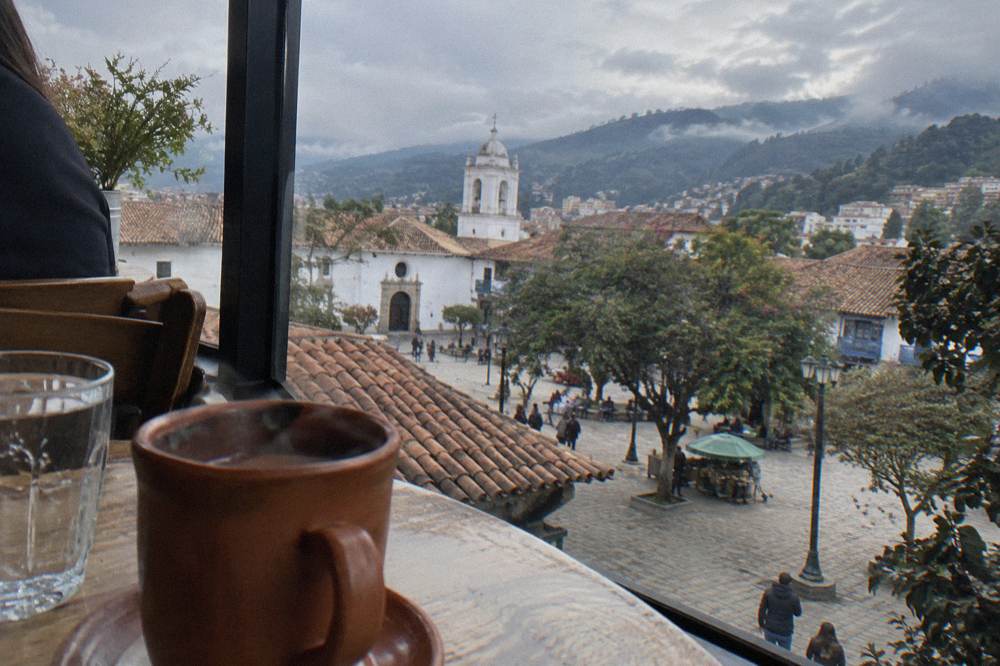
The practical playbook for a first night: arrive, drink water, eat a proper but not heavy meal, and skip the bottle until day two if you can. When you do drink, halve your sea-level instinct, alternate every alcoholic drink with water, and finish earlier than you would at home. Locals do this too; the early rhythm of Bogotá nights, dinner around 7 or 8 pm, is partly the altitude talking. If you want the full picture on eating and drinking here in your first days, the altitude eating guide for first-timers breaks down the whole first 48 hours.
One Bogotá-specific note: the cold highland nights make hot drinks feel like a good idea and canelazo like a better one, but a hot alcoholic drink is still alcohol, and the warmth masks the intake. Pace a canelazo the way you would pace a shot. And whatever the evening holds, the responsible line is worth saying plainly: at altitude, one drink can behave like two, and knowing your limit here means discounting your sea-level limit, not trusting it.
What A Spirits-Focused Evening In Bogotá Actually Costs
A guided tasting runs from $17.71 per person for a shared street-food walk to $149.53 per person for the craft beer tasting, while an independent night out runs on reported local prices: around 80,000 COP for a craft pint, from 45,000 COP for tejo with two beers, and market juices at 4,000 to 5,000 COP. The official exchange rate in November 2026 is about 3,183 COP to the US dollar.
Build the night from the pieces above and the budget is easy to hold. A tejo session with beers at the Chapinero venue is from 45,000 COP per person, reported. A round of craft pints at around 80,000 COP each adds up quickly for a group, which is why locals often share bottles rather than buy pints all night. A bottle of aguardiente for a table is usually the cheapest per-drink route, though venue bottle prices vary widely, so ask before ordering rather than after. Market juices are the daytime counterweight: 4,000 COP for a lulo juice and 5,000 COP for curuba with milk at a reported La Candelaria fruit cart, and a fraction of any bar tab.
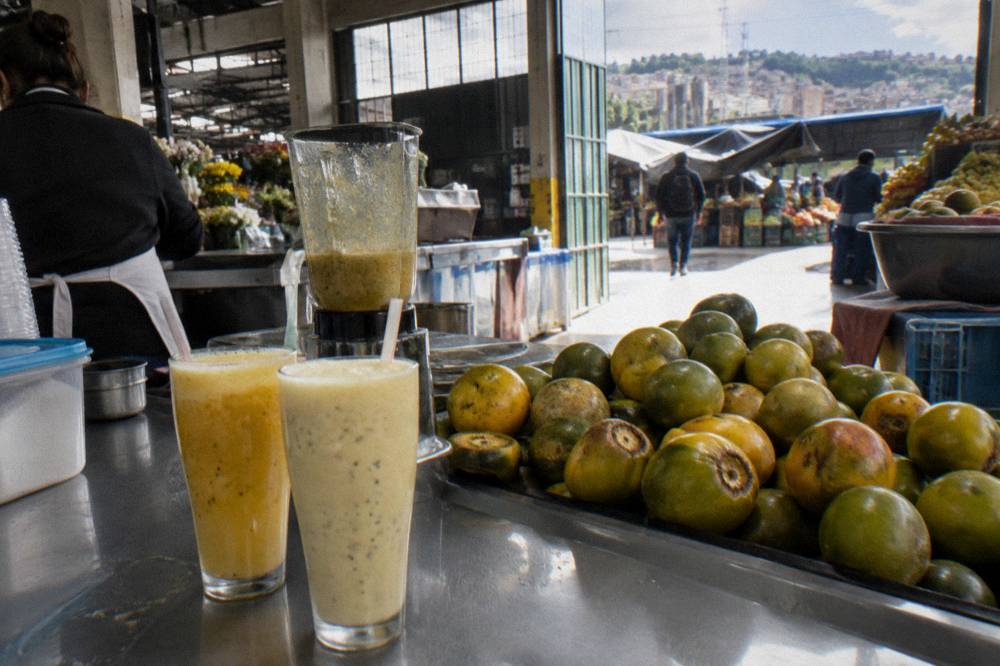
The guided options, with figures exactly as the operators list them, look like this:
| Experience | Duration | From price per person | Rating and reviews |
|---|---|---|---|
| Craft Beer Tour with Tasting | 3 hours | $149.53 | 4.9 across 121 reviews |
| Viejo Bogota Food Tour with 12+ Tastings | 4 hours | $55 | 5.0 across 714 reviews |
| Bogotá Food Experience: Cultural & Culinary Tour | 4 hours | $47.15 | 4.9 across 615 reviews |
| Shared Gastronomy Tour, Historic Center | 3 hours | $15, guide fee; tastings about $12 extra | 4.9 across 291 reviews |
| Shared Tour of Colombian Exotic Fruit at Paloquemao | 3 hours | $50.17 | 4.6 across 32 reviews |
Two notes on that table. The Shared Gastronomy Tour's headline price is a guide fee only, with tastings costing about US$12 extra per the operator's own notes, so budget the real total before you book. And the fruit tour is included because a spirits guide should also point at the morning-after option: Paloquemao's fruit halls open Monday to Saturday from 4:30 a.m. and close at 4:30 p.m., with Sundays and holidays from 5 a.m. to 4:30 p.m., and a walk through the exotic fruit stalls is the city's best recovery plan. The Paloquemao hours guide covers when each part of the market is worth seeing.
If a market morning sounds like the better half of the trip, the shared exotic fruit walk through Paloquemao is a strong pick: three hours, from $50.17 per person, rated 4.6 across 32 reviews, with tastings of fruit most visitors have never seen.
For a lower-commitment first evening, the shared gastronomy walk through the historic centre keeps the price down and still walks you past the city's traditional drinks and dishes. Three hours, the $15 guide fee plus about $12 in tastings, rated 4.9 across 291 reviews.

Tipping, Rounds And The Etiquette Of Paying
At sit-down venues staff ask whether to add the voluntary 10 percent propina, which Colombian law caps at 10 percent and which you may accept, reduce or decline. In a drinking group, the person who buys the bottle pays for it, rounds rotate, and nobody tips at a market juice cart or a corner shop.
The propina system confuses visitors because the question comes at the table, not on the bill: "¿ service incluido?" or a direct ask about the 10 percent. Saying yes is the norm for good service, saying no is legal and unremarkable for poor service, and the amount can be adjusted rather than all-or-nothing. The cap is set by law, Ley 1935 de 2018, so no venue should be pushing more than 10 percent. For taxis and apps, round up; small cash for porters and housekeeping, in the 2,000 to 10,000 COP range, is appreciated but not obligatory. None of this applies at street stalls, market counters or the shop where you buy a bottle. The full breakdown, including how tips work on guided tours, is in the tipping guide for Bogotá.
Round-buying etiquette deserves one paragraph of its own because it is where visitors most often fumble. If you join a table where a bottle is open, you are implicitly in the ronda, and your turn will come. The clean exits are buying the next bottle yourself, which wins friends instantly, or declining clearly and early. What does not work is drinking the shared bottle and then leaving before your turn, which reads badly everywhere and worse here. If you are the visitor, being the one who buys the second round is the single cheapest social win available in Bogotá.
Bringing Bottles Home: What To Buy And What To Know
The bottles worth carrying home are a regional aguardiente, an aged Colombian rum, and optionally a crema de aguardiente liqueur; shop at licensed liquor stores rather than street vendors, check duty-free allowances for your home country, and remember the Constitutional Court ruling that widened which brands can legally be sold in Bogotá.
Since Ruling C-032/2025 reopened departmental markets, Bogotá shelves carry brands like Amarillo that were effectively absent before, so a liquor store in Chapinero or Zona G gives you a wider honest selection than the airport. Buy sealed bottles from formal retailers and keep the receipt; the city's health secretariat advisories on alcohol, refreshed around Halloween 2026, repeat the same guidance that applies to street food: buy from authorized establishments, check seals and labels, and avoid unlabeled or damaged packaging. Counterfeit spirits are a documented problem anywhere liquor is sold loose, and licensed shops are the fix.
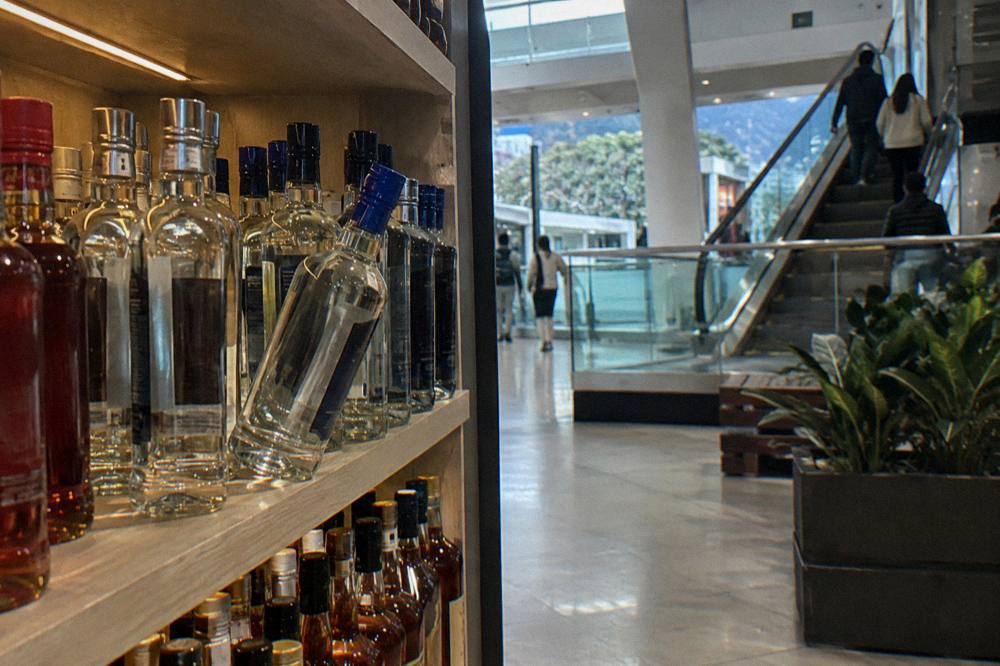
Packing is the last piece. A bottle of aguardiente travels fine in checked luggage, wrapped well; rum bottles with age statements are heavier and more expensive, so decide whether the value survives the risk. Colombian customs rules on export are generous for personal quantities, but your home country's import allowance is the binding one, typically one litre duty-free for many nationalities, so check your own border rules rather than guessing. And if the whole evening has made you thirsty for something other than alcohol, the city's coffee and chocolate tastings, like the two-hour Coffee and Chocolate tour from $49 per person rated 5.0 across 79 reviews, are the morning counterpart to every night described here, and Bogota Food Tours covers that side of the city in equal depth.
Common Questions About Aguardiente And Colombian Spirits
What Is Aguardiente Made From?
Aguardiente is distilled from sugarcane alcohol, flavored with anise and lightly sweetened, typically bottled at 24 to 29 percent alcohol. A sugar-free version, sin azúcar, is widely available in cities.
How Do Colombians Drink Aguardiente?
Neat, chilled, and in small shot glasses, poured in rounds where one person buys the bottle and serves the table. It is not mixed, not put on ice, and not sipped slowly.
Is Aguardiente Like Rum?
No. Rum is aged and unflavored, meant for sipping, while aguardiente is clear, anise-flavored and meant for quick shared shots. Colombia produces both, and they occupy different moments of the same evening.
Can You Drink Alcohol At Bogotá's Altitude?
Yes, but it hits harder and dehydrates faster at about 2,640 m. The city's health guidance recommends one to two days of adaptation, heavy hydration, light meals and little alcohol at first. Discount your sea-level limit by about half.
What Is Canelazo?
A hot drink of aguardiente, panela, cinnamon and fruit, served steaming on cold highland nights. An alcohol-free version is common and is a good option if you want the warmth without the spirit.
Do You Tip On Drinks In Bogotá?
At sit-down bars and restaurants, staff ask whether to add the voluntary 10 percent propina, capped by law and adjustable. No tip is expected at street stalls, market counters or shops.