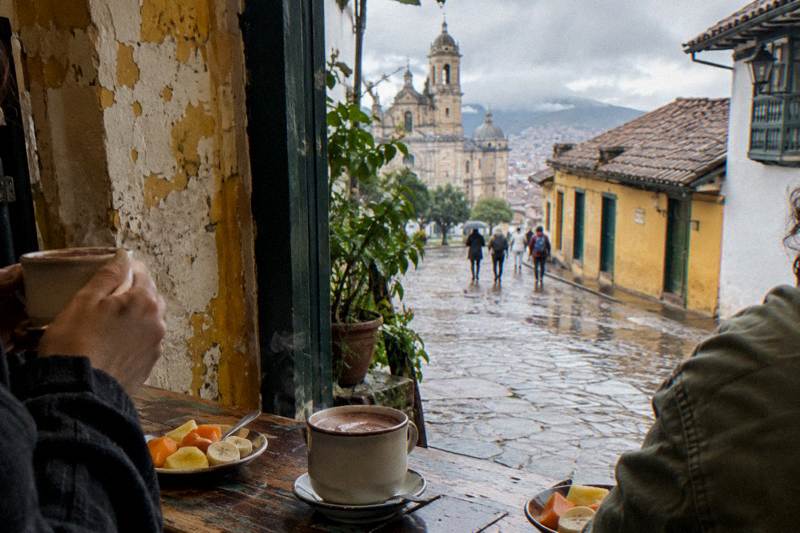
Bogotá Food By Neighborhood: La Candelaria, Usaquén, Chapinero And Zona G
Bogotá's food scene is split by district, and each one answers a different question. Here is what La Candelaria, Chapinero, Zona G and Usaquén are actually for, where the tasting walks run, and how to stitch them into a single day.
Short answer
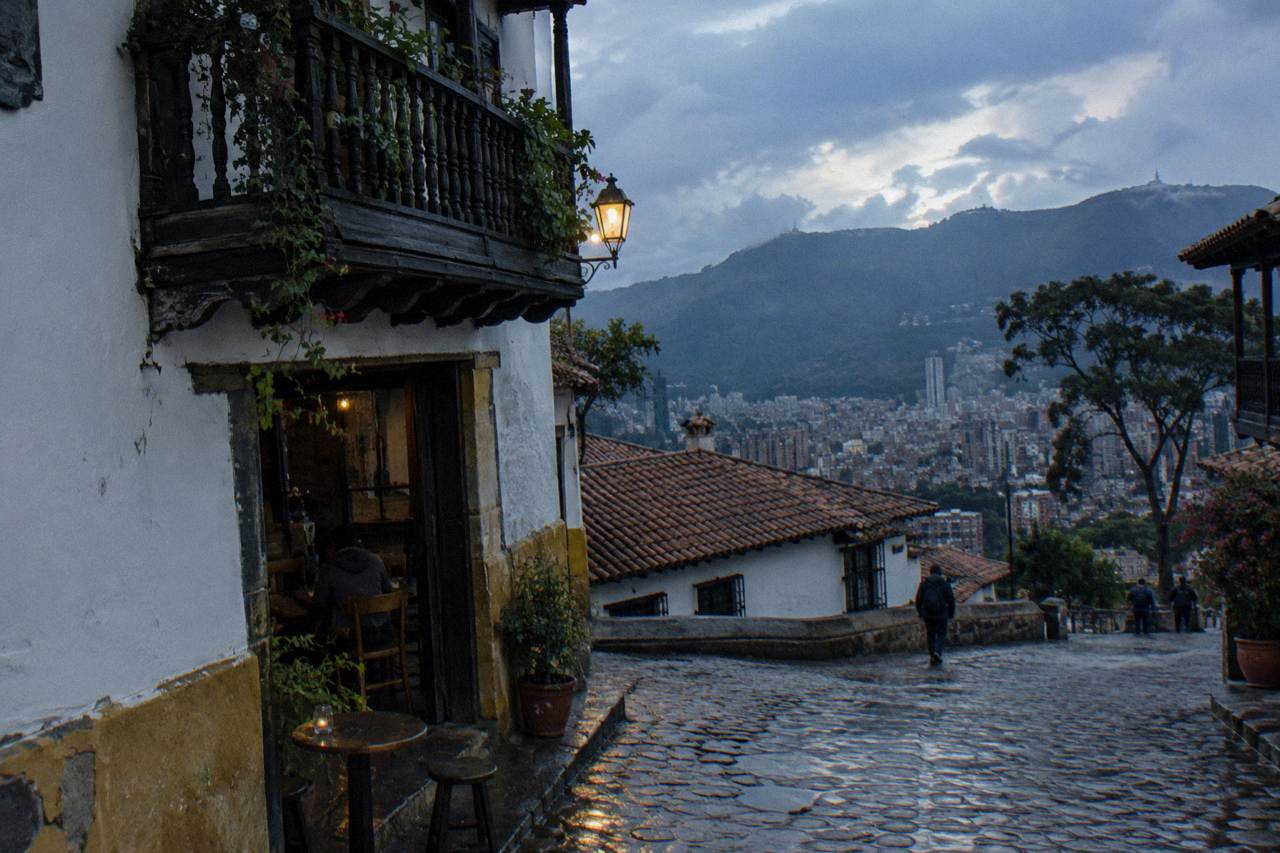
La Candelaria carries the historic tasting walks, including the Food Tour in La Candelaria Bogotá from $63 per person, rated 4.9 across 72 reviews. Chapinero and Zona G hold the specialty coffee and restaurant scene, Usaquén adds a weekend market, and Paloquemao is the market district. Most visitors base themselves in one and travel between them by TransMilenio at COP 3,550 a ride.
Bogotá is not one food city, it is at least four laid side by side at 2,640 m of altitude. The colonial lanes of La Candelaria serve street snacks and hot chocolate steps from the museums. Chapinero and Zona G hold the specialty coffee roasters and the restaurant bookings that need planning. Usaquén turns into a weekend market town inside the city, and Paloquemao wakes before dawn with wholesale crates of fruit. Picking a district, or picking the order you visit them in, is the single biggest planning decision a food-focused visitor makes.
This guide walks through what each area does best, which guided experiences actually run there, and how to combine two or three in one day without burning the afternoon in traffic. Prices for tours come straight from each operator's booking page, and neighborhood facts come from the city's own 2026 reporting.
Which Bogotá District Should You Eat In?
Each of Bogotá's main food districts has a distinct job: La Candelaria for historic street food and most guided walks, Chapinero and Zona G for specialty coffee and contemporary restaurants, Usaquén for the Sunday market and northern comfort food, and the market plazas, above all Paloquemao, for fruit, herbs and wholesale energy. Most first visits combine two, rarely three, in a day.
The reason is geography and rhythm. La Candelaria sits at the historic bottom of the city, roughly 40 minutes by fast transit from Usaquén in the far north, and the two run on different clocks. The market plazas are at their best early, the restaurants of Zona G open for lunch and dinner, and Chapinero's coffee shops fill the gaps between. A day that tries to do all of it collapses into transit.
A simpler frame: pick the district that matches what you want from the trip. If the answer is history plus snacks plus a guided walk, La Candelaria. If it is coffee, dinner reservations and design-led cafes, Chapinero and Zona G. If you are in town over a weekend and want a slow morning, Usaquén. If you want to see where the city's restaurants actually shop, Paloquemao. The rest of this guide takes each in turn, then puts them back together into itineraries.
| District | Best for | Peak hours | Guided food walks run here |
|---|---|---|---|
| La Candelaria | Street food, history, chocolate santafereño | Daytime, main streets | Yes, the largest concentration |
| Chapinero | Specialty coffee, casual dining | Morning to night | Coffee and chocolate tastings |
| Zona G | Contemporary restaurants | Lunch and dinner | Few, mostly private formats |
| Usaquén | Sunday flea and food market | Weekends 9:00 to 17:30 | Limited, market formats |
| Paloquemao area | Fruit, herbs, wholesale market | Pre-dawn to mid-afternoon | Several market tasting tours |
One 2026 note worth weighing: Time Out named Chapinero Alto the seventh coolest neighborhood in the world for 2026, the only Latin American entry in its top ten, citing exactly that mix of roasters and small restaurants. The north of the city has earned its place on the food map in its own right, not just as where the hotels are.
La Candelaria: Where The Historic Tasting Walks Run
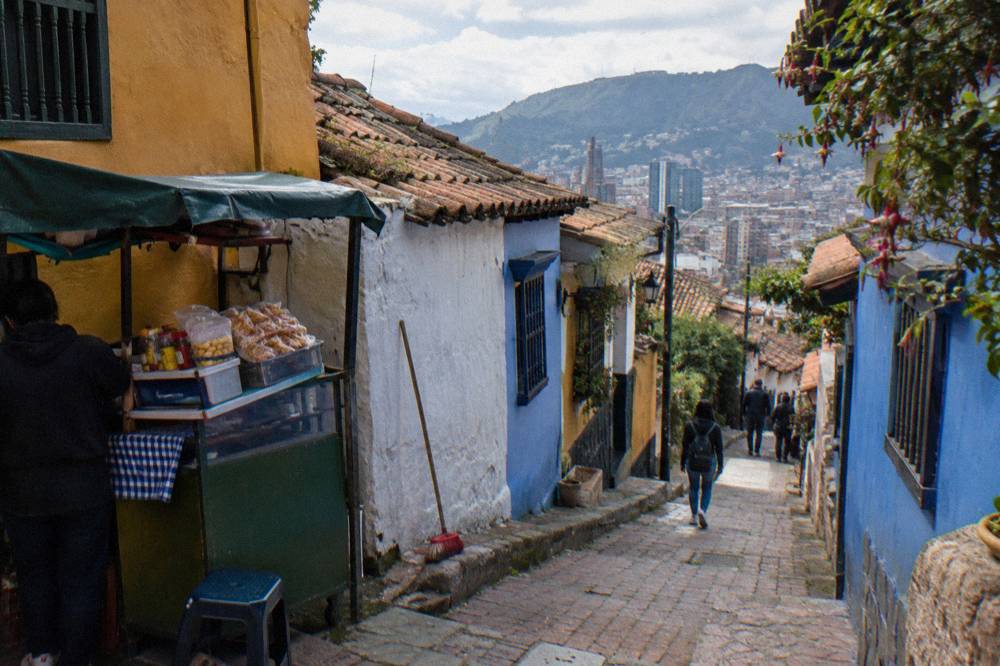
La Candelaria is Bogotá's colonial core and the district where most guided food walks operate, including the Food Tour in La Candelaria Bogotá, 3 hours, from $63 per person, rated 4.9 across 72 reviews, and the Viejo Bogota Food Tour with 12+ Tastings, 4 hours, from $55, rated 5.0 across 714 reviews, the most reviewed walk compared on this site.
The density is the point. Within a few blocks you move from tamal and arepa stalls to a coffee workshop to La Puerta Falsa, operating since 1816 next to the cathedral, still serving thick chocolate santafereño with cheese to melt into the cup. The fruit cart at Carrera 2a with Calle 13 reportedly sells lulo juice at 4,000 COP and curuba with milk at 5,000 COP, a reminder of how cheap street eating here can be when it is not part of a booked tour.
The Viejo Bogota walk is the reference point for the district: twelve or more tastings across four hours, five stars across a review pool of 714, from $55 per person. If you want one booked experience that defines "eating in La Candelaria", that spread and that review base are the argument. For a shorter format, the Bogota Shared Gastronomy Tour in the Historic Center is 3 hours at a from-price of $15, but read the price basis carefully: that figure is a guide fee and the tastings run about $12 extra, so the real cost per person is higher than the headline number suggests.
The Food Tour in La Candelaria Bogotá sits between those two: a private 3-hour tour with hotel pickup, tasting chocolate santafereño, coffee, arepa and almojábana with cheese, and obleas, from $63 per person, rated 4.9 across 72 reviews. Meeting point and the exact inclusion list are on the booking page, since stops can shift with what the stalls have that day. If you would rather browse the format in detail first, the site's La Candelaria food walk guide breaks the choices down by length and tasting count. You can also go straight to check availability on the operator's booking page.
Timing matters more here than anywhere else in the city. The 2026 neighborhood reports describe La Candelaria as fine on main streets and squares in the daytime, with higher pickpocket risk than the north and advice against walking side streets alone after dark. That is a reason to schedule the district for daylight hours, which suits the walks anyway: most finish by early evening. Blend the walk with the chocolate santafereño guide if the hot chocolate tradition is part of why you are going.
Chapinero And Zona G: Coffee Roasters And The Restaurant Belt
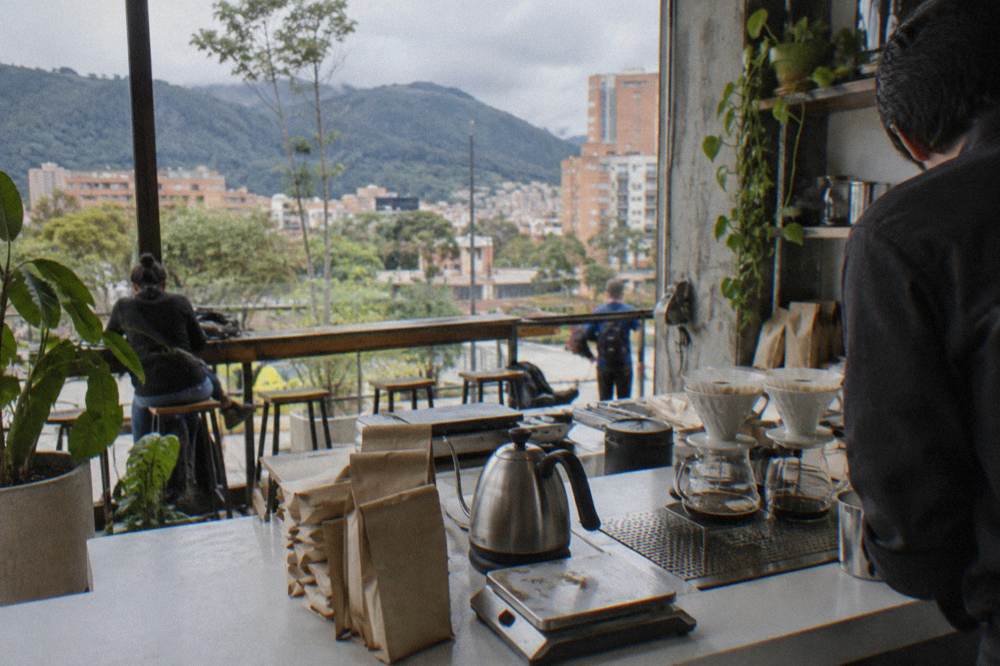
Chapinero and Zona G are Bogotá's specialty coffee and upscale dining belt, home to roasters like Amor Perfecto, Azahar and the newly opened Varietale, plus the densest cluster of contemporary restaurants. A coffee and fine chocolate tasting tour runs here from $49 per person, 1.5 to 2.5 hours, on a listing with a handful of reviews so far.
Chapinero is where the third-wave coffee scene lives. Amor Perfecto, a pioneer since the 1990s with seven national barista championships behind it, roasts in-house and runs public cuppings. Azahar works direct trade with more than 420 Colombian farmers. Varietale, in a former convent on Calle 41, had been open only a couple of months as of early November 2026, buying coffee in parchment and milling it on site. Any of these can be visited independently; a guided tasting simply arranges the pours for you.
The Bogotá: Coffee & Fine Chocolate Tasting Tour in Chapinero pairs the district's two strengths, from $49 per person for 1.5 to 2.5 hours. Its listing shows a 5.0 rating but from only five reviews, which is too thin a pool to treat as a verdict: read the recent guest comments yourself on the booking page. For deeper background on what to taste and where, the coffee tasting and cupping guide covers the full range of formats across the city.
Zona G, a short hop south of Chapinero Alto, is the restaurant belt. Two of the city's hotels here, the Four Seasons Casa Medina and Casa Legado in neighboring Quinta Camacho, picked up Michelin Keys in the 2026 guide, a hotel award rather than restaurant stars, but a marker of where the dining money sits. Longo's opened its seventh location in Chapinero in September 2026 in a restored conservation house on Calle 56. El Chato, in Chapinero, was ranked number one in Latin America's 50 Best in December 2025, so competition for tables is real: book dinner before you fly.
Usaquén: Weekend Market Days In The North
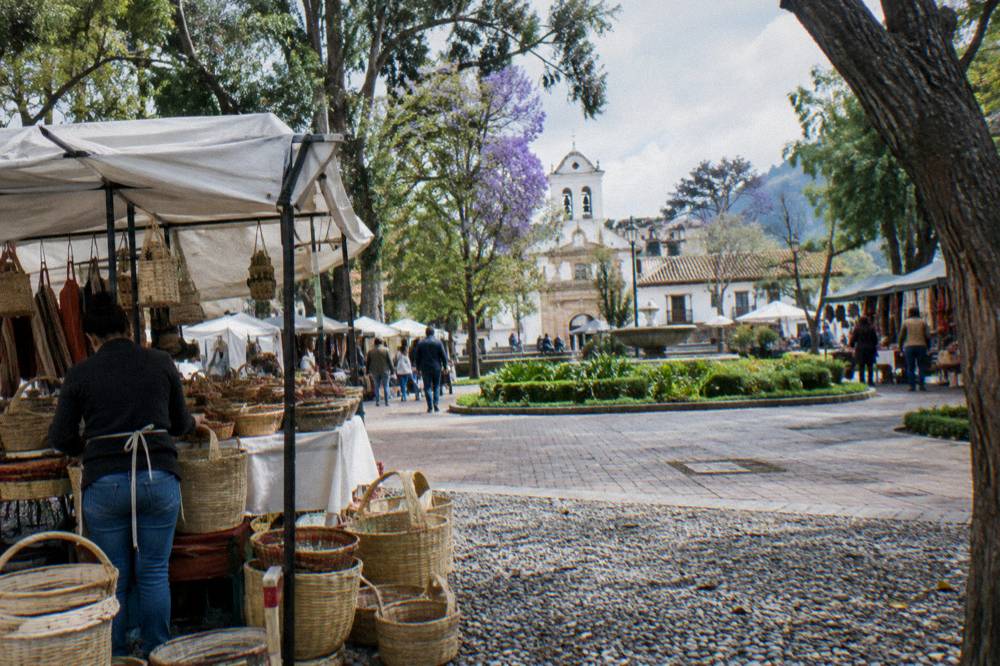
Usaquén is a formerly separate town absorbed into Bogotá's north, best known for its flea and food market on Saturdays, Sundays and holiday Mondays from 9:00 to 17:30 on Carrera 6A, where stalls sell arepas, fresh-cut fruit, empanadas and hot chocolate. It suits a slow weekend morning more than a packed sightseeing day.
The market is the draw, and it keeps short-lived food stalls rather than restaurants: arepas, fruit with salt and lime, empanadas, hot chocolate. It pairs naturally with a browse through the antique and craft stalls, and with a long lunch in one of the district's sit-down spots afterwards. On weekdays the district is quieter, and its food identity shifts to neighborhood bistros, so time your visit to the calendar rather than the clock. The full index of guides sits on Bogota Food Tours.
If your time in the city is short, one honest trade-off: Usaquén on a Sunday morning competes directly with a La Candelaria walk, and the market stalls need no booking while the walks do. Many visitors solve this by walking La Candelaria on Saturday and letting Usaquén have Sunday. The site's dedicated Usaquén Sunday market guide goes deeper on what the stalls actually sell and how to reach the district.
Paloquemao And The Market Districts
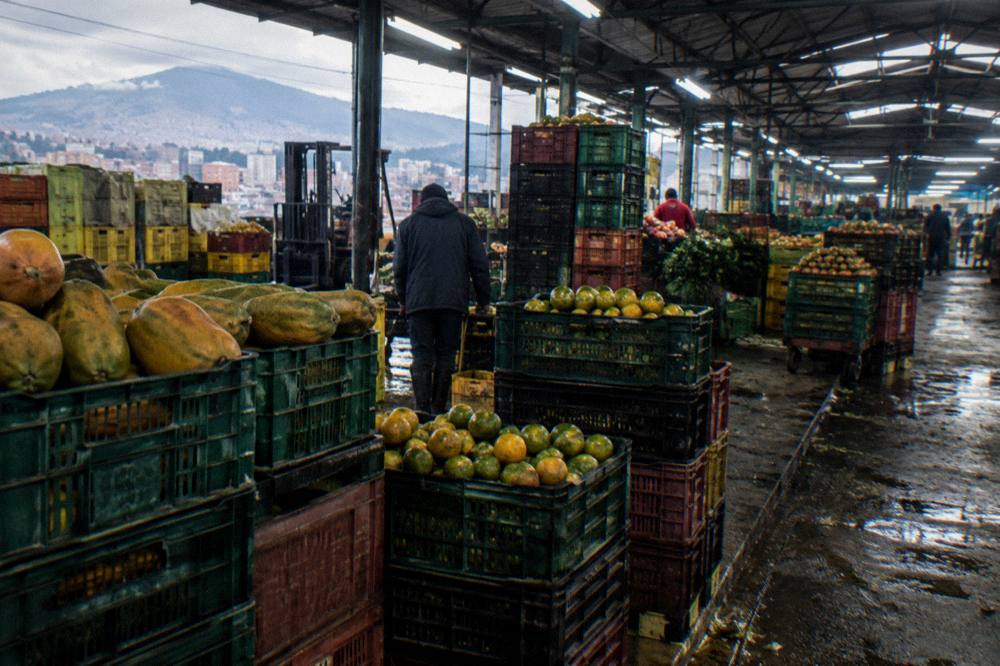
The market plaza district around Paloquemao is where Bogotá's restaurants shop: the plaza opens Monday to Saturday from 4:30 to 16:30 and Sundays from 5:00 to 16:30, with peak wholesale energy before mid-morning. Several guided fruit and snack tours run here, from $45.91 for a 2.5-hour market walk to $103 for a private 25-tasting format.
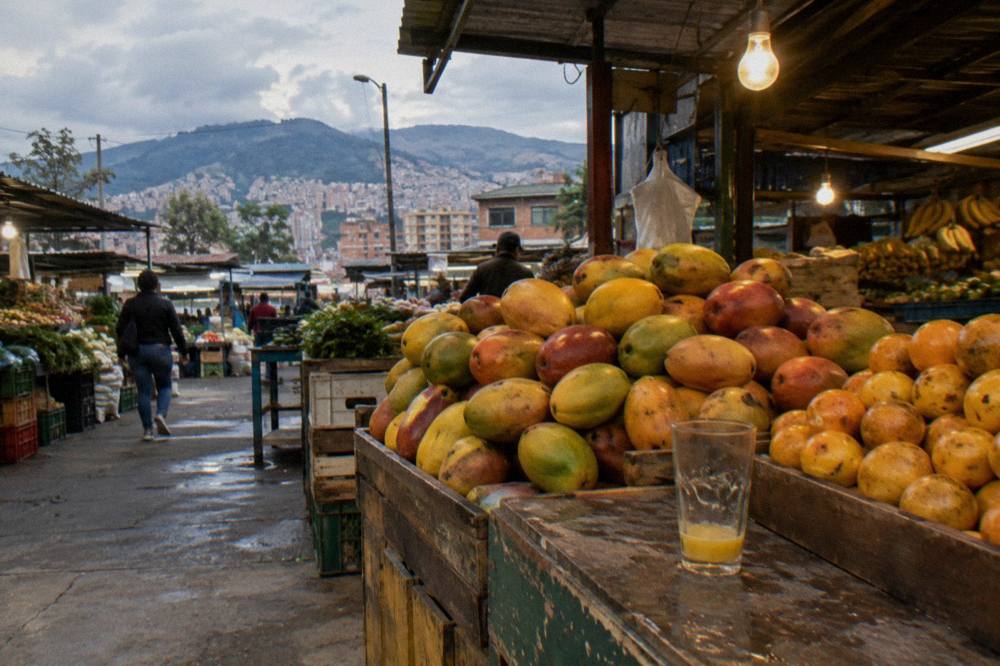
Paloquemao is the headline. Vendors hand out tastes of granadilla, lulo and uchuva in the early hours, trucks unload until mid-morning, and the whole thing thins after midday, so early is the only sensible plan. The city's own tourism office maintains a Paloquemao visitor page with current hours, and Bogotá's 2026 market route feature includes it among the seven plazas worth discovering, as published by the city government in October 2026.
| Market tour | District | Duration | From price | Rating and reviews |
|---|---|---|---|---|
| Paloquemao Market Tour with Fruit Tasting | Paloquemao | 2.5 hours | $45.91 | 5.0 across 6 reviews |
| Shared Tour of Colombian Exotic Fruit at Paloquemao | Paloquemao | 3 hours | $50.17 | 4.6 across 32 reviews |
| Paloquemao Market Food Tour, Exotic Fruit and Local Snacks | Paloquemao | 3 hours | $82 | 4.9 across 71 reviews |
| Private Paloquemao Food and Fruit Market Tour, 25+ Tastings | Paloquemao | 3 hours | $103 | 5.0 across 19 reviews |
The Shared Tour of Colombian Exotic Fruit at Paloquemao Market is the middle option and the one with the most grounded review base of the shorter formats: $50.17, 3 hours, rated 4.6 across 32 reviews. Prices marked with a star on their booking pages vary by group size, so treat every figure here as a from-price. If fruit is the whole reason for your trip, the Colombian fruits guide names what to ask for by stall.
Beyond Paloquemao, La Perseverancia near the center is the traditional-cooking plaza, its family stalls turning out ajiaco, lechona and fritanga, open Monday to Friday 8:00 to 16:00 and weekends 6:00 to 17:00. Samper Mendoza runs a genuinely nocturnal herb market, Mondays and Thursdays from 21:00 to 5:00, with 391 plant species documented in one survey, 201 of them native to Colombia. Neither is a polished visitor attraction, which is rather the point. The markets beyond Paloquemao guide maps them all.
What A Food-First Day Across Districts Looks Like
A realistic food day in Bogotá covers two districts, three at the outside: Paloquemao early, La Candelaria through the middle of the day, and Chapinero or Zona G for coffee and dinner, with Usaquén swapped in on weekends. Transit between them runs on a unified fare of COP 3,550 a ride, reported as of January 2026, with a 125-minute transfer window.
The shape that works for most first-timers: market at dawn, walk at lunch, restaurants at night. Paloquemao before 10:00, when the wholesale energy is still up, then south to La Candelaria for a booked tasting walk in the early afternoon while the main streets are busy and the stalls are open, then north to Chapinero for a late cupping or straight to Zona G for dinner. Altitude discipline applies across all three: the city sits around 2,640 m, and 2026 health guidance recommends one to two easy days, steady hydration and light meals before you load a day this full.
| Time | District | Plan | Cost basis |
|---|---|---|---|
| 7:00 | Paloquemao | Fruit tastes at the stalls | Pay per item, market prices |
| 10:30 | La Candelaria | Booked food walk, 3 hours | From $55 to $63 per person |
| 15:00 | La Candelaria | Chocolate santafereño, museums | Pay per item |
| 17:30 | Chapinero | Coffee tasting or shop visit | From $20 to $49 per person |
| 20:00 | Zona G | Dinner, booked ahead | Menu prices |

Weekend variants swap freely. On Sunday, Usaquén's market can replace the Paloquemao leg entirely, or replace the second La Candelaria afternoon if you already walked it Saturday. November visitors have a calendar quirk worth knowing: the Festival del Tamal runs 5 to 8 December 2026 across more than 17 plazas with a tamal, hot drink and arepa combo at 10,000 COP, and Chocoshow, the national cacao fair, fills Corferias 27 to 29 November with more than 175 exhibitors. Either can anchor a whole day.
How Much Eating Your Way Around Costs
A day split across two districts with one booked walk runs from roughly $55 to $82 for the guided portion plus modest street and market spending, while a premium day built on private formats reaches $103 to $259 per person. Street items remain cheap in local currency: reported examples include lulo juice at 4,000 COP and almojábanas around 4,700 COP each. Every tour figure below is a from-price from the operator's booking page.
The honest budgeting frame is that guided walks buy access and explanation, not cheapness. A $55 four-hour walk with twelve tastings is a strong per-tasting value against Zona G dinner prices, but a self-guided graze through La Candelaria stalls can cost a fifth of that and still fill you up. What you cannot buy independently at any price is the market education on a Paloquemao fruit tour or the guided cupping in Chapinero, and that distinction is usually where the money should go.
| Experience | District | From price per person | Reviews |
|---|---|---|---|
| Viejo Bogota Food Tour, 12+ tastings, 4 hours | La Candelaria | $55 | 5.0 across 714 |
| Bogotá Food Experience, 4 hours | City-wide | $47.15 | 4.9 across 615 |
| Food Tour in La Candelaria, 7 tastings, 3 hours | La Candelaria | $63 | 4.9 across 72 |
| Coffee and chocolate tasting, 1.5 to 2.5 hours | Chapinero | $49 | 5 reviews so far |
| Gastronomy of Colombia Private Tour, 6 hours | City-wide | $259 | 4.5 across 15 |
Dietary needs cut across all of this: no listing in this comparison is described as vegan or gluten-free, so message the operator before booking if that matters, and read the vegetarian and vegan guide for the restaurant side, where about 36 percent of Bogotá establishments now offer plant-based options per city reporting. Tipping at sit-down places is a voluntary 10 percent, capped by law, and can be declined; it is not expected at street stalls or counters.
Getting Between The Districts
TransMilenio and its zonal feeders link all the food districts on a unified fare of COP 3,550 per ride with a 125-minute transfer window, reported from January 2026, while app-based cars bridge the gaps and the airport connection costs a metered taxi fare plus an 8,000 COP airport surcharge. Walking works inside each district but not between them.
Distances are the trap. La Candelaria to Usaquén is a long north-south traverse, and rush hours stretch it badly. The practical rules: stay inside one district on foot, use the trunk buses or an app car for any crosstown move, and never plan a food day that zigzags more than twice. More detail, including how the airport run works with luggage, is in the getting around guide.
Rain is the other variable. Bogotá's rainy seasons run April to May and October to November with common afternoon showers, though the El Niño pattern forecast for late 2026 into early 2027, with greater than 90 percent probability per the September 2026 outlook, is expected to bring drier, sunnier days and colder nights. An afternoon market plan beats a morning one in a wet October week, and a covered market like Paloquemao is the natural rainy-day anchor.
Safety framing, plainly: the US State Department advisory for Colombia is Level 3, Reconsider Travel, issued 31 March 2026, with some departments at Level 4, none of them Bogotá. The 2026 neighborhood reports describe Chapinero, Usaquén, Parque 93 and Chicó as comfortable day and evening walking areas with standard precautions, and La Candelaria as a daytime district on its main streets. Conditions change, so check current advice before you travel rather than relying on any single report.
Once you have a district or two in mind, the fastest way to lock the plan together is to pick the walk that anchors it: the Candelaria classic, the twelve-tasting marathon, or a coffee pairing in Chapinero, all bookable with free-cancellation terms on their booking pages.
Common Questions About Food By Neighborhood In Bogotá
Which Bogotá Neighborhood Is Best For Food?
La Candelaria is best for street food and guided walks, with formats from $55 per person. Chapinero and Zona G are best for specialty coffee and restaurants, Usaquén for a weekend market morning, and Paloquemao for the fruit market experience. Most visitors combine two districts rather than trying to cover all of them.
Can You Walk Between Bogotá's Food Districts?
Not sensibly. La Candelaria to Usaquén is a long traverse across the city. Walk within each district, then use TransMilenio at a reported COP 3,550 per ride or an app-based car for the moves between them, and keep a food day to two or three districts maximum.
Where Do Most Bogotá Food Tours Start?
Most guided food walks concentrate in La Candelaria, including the Food Tour in La Candelaria Bogotá, from $63 per person, rated 4.9 across 72 reviews, and the Viejo Bogota Food Tour with 12+ Tastings, from $55, rated 5.0 across 714 reviews. Market tours meet at Paloquemao, and coffee tastings meet in Chapinero. Exact meeting points are on each booking page.
Is Chapinero Or La Candelaria Better For Eating?
They do different jobs. La Candelaria gives you historic streets, street snacks and the biggest choice of booked walks. Chapinero gives you roasteries like Amor Perfecto and Varietale, casual restaurants and the coffee tasting scene. If time allows, do a Candelaria walk at midday and coffee in Chapinero after.
Is Usaquén Worth Visiting On A Weekday?
The flea and food market only runs Saturdays, Sundays and holiday Mondays from 9:00 to 17:30, which is Usaquén's main food draw. On weekdays the district is quieter, with neighborhood bistros but no market, so plan it around the weekend unless you have another reason to go north.
How Many Days Do You Need To Eat Across Bogotá's Districts?
Two days covers the core plan comfortably: one day for Paloquemao plus La Candelaria, one for Chapinero, Zona G and, on a weekend, Usaquén. Three days adds the secondary plazas and a cooking class. Altitude guidance suggests easing in for a day or two anyway, which fits the pace.