Bogotá Coffee Tasting And Cupping Experiences: What To Expect
Bogotá has become one of the most serious coffee cities in Latin America, and a guided tasting is now one of the easiest food experiences to book in the capital. Here is what the coffee tours actually include, what they cost, and how they differ from the city's food walks.
Short answer
A Bogotá coffee tasting experience runs from $20 to about $112 per person depending on format, from a one-hour tasting at $20 to a four-hour private coffee and chocolate walk at from $112. Most tours last one to four hours, take place in La Candelaria or Chapinero, and include several brewed coffees plus a guide.
A Bogotá coffee tour used to mean a rushed cup of tinto next to the Plaza de Bolívar. That has changed. The capital now hosts a dense specialty scene: Amor Perfecto, a 1990s pioneer, roasts in house and claims 7 National Barista Champion titles; Azahar Coffee buys directly from more than 420 Colombian farmers; and Varietale, a roastery in a former convent in Chapinero, had been open only a couple of months as of early November 2026. For a visitor, the practical question is not whether to taste coffee in Bogotá but which format to book: a one-hour tasting, a two-hour cupping workshop, a coffee-and-chocolate combo, or a full day at a farm outside the city.
This guide lays out what each format involves, what the booked experiences cost, and where the coffee options sit next to the food walks the city is better known for. Prices and inclusions below come from the operators' own listings, and roastery facts come from 2026 coverage of the city's coffee scene.
What Is A Coffee Tasting Tour In Bogotá?
A coffee tasting tour in Bogotá is a short, guided session built around brewed Colombian coffee rather than sightseeing: you taste several preparations, learn how origin and processing shape flavor, and often watch roasting or try brewing yourself. Formats range from a $20 one-hour tasting to multi-hour workshops, and most take place indoors in a café or roastery rather than walking between stops.
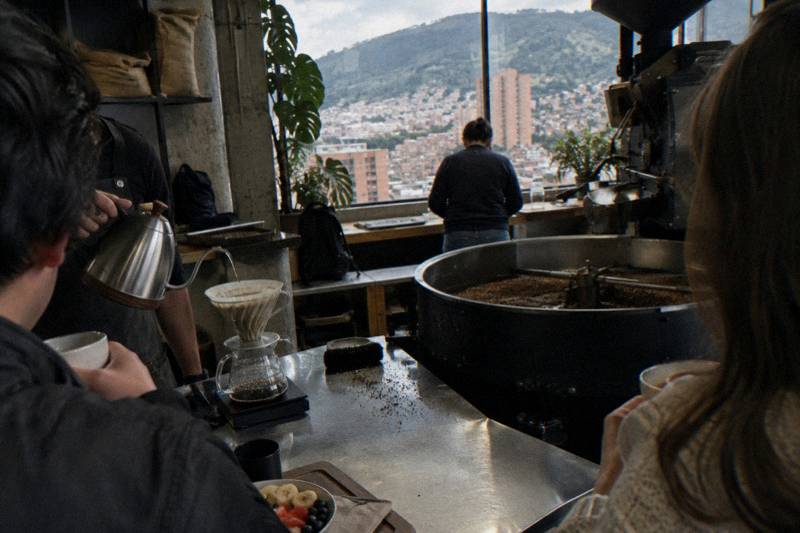
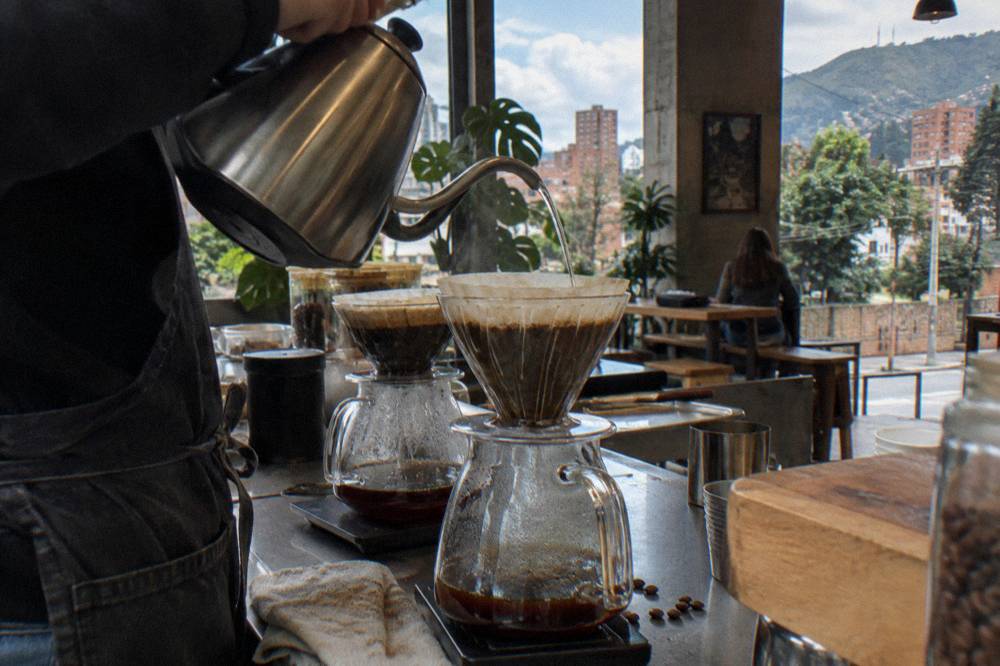
The core of every version is comparison. You do not just drink a coffee, you drink three or five of them side by side and notice the differences. A guide, often a barista, explains where each lot was grown, how it was washed or fermented, and why a Nariño and a Huila can taste nothing alike even when both score well. In the longer formats you move from tasting to doing: roasting a small batch, grinding, and brewing the same coffee through a pour-over, a French press and an espresso machine to see how method changes the cup.
What these sessions are not is a farm visit. Bogotá sits at about 2,640 m, far above the coffee belt, so the city's tours happen in cafés, roasteries and cultural centers. That is a strength: the beans reaching Bogotá's best roasters are the same micro-lots that get exported, and you taste them days after roasting rather than after a shipping container. If seeing the plants matters to you, a coffee farm day tour is the separate format that covers it, and there is a section on it below.
The city's coffee culture has a real backbone worth knowing before you book. Colombian coffee exports fell 13.8 percent in the first nine months of 2026, to 8.45 million 60-kg sacks, according to exporters' association Asoexport, and 2026 production is projected down 10 to 15 percent. What that means for a visitor is that roasters are leaning harder than ever on quality and traceability to justify prices, which is exactly the story a good tasting session tells.
How Does A Coffee Cupping Session Work?
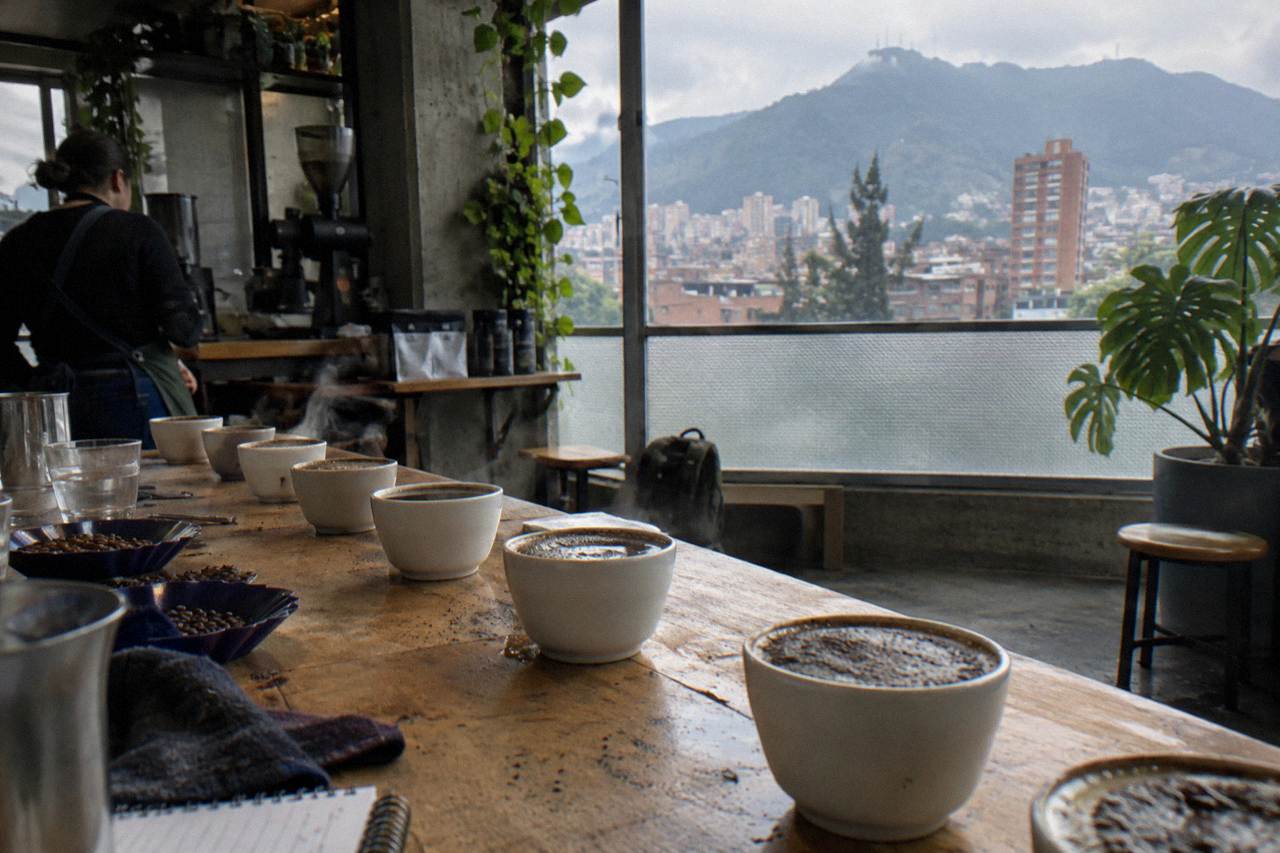
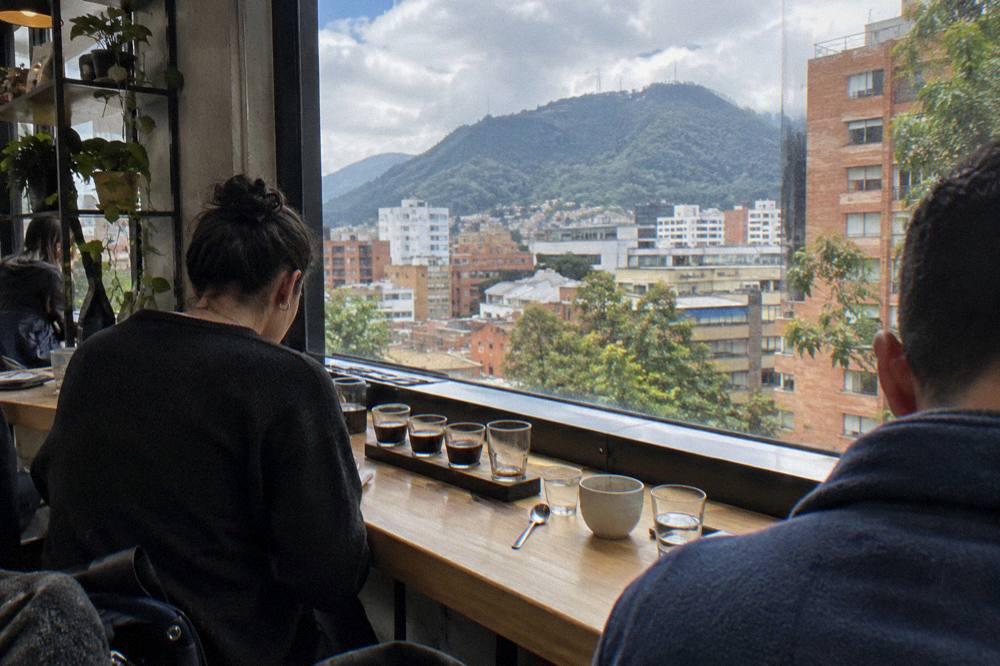
Cupping is the standardized method the coffee industry uses to score coffees: identical doses of coarsely ground coffee go into identical bowls, hot water is poured on, and after four minutes the crust is broken and slurped from a spoon so each coffee hits the palate at the same strength. A guided cupping in Bogotá walks you through this ritual with several Colombian lots, usually 30 to 90 minutes of structured comparison.
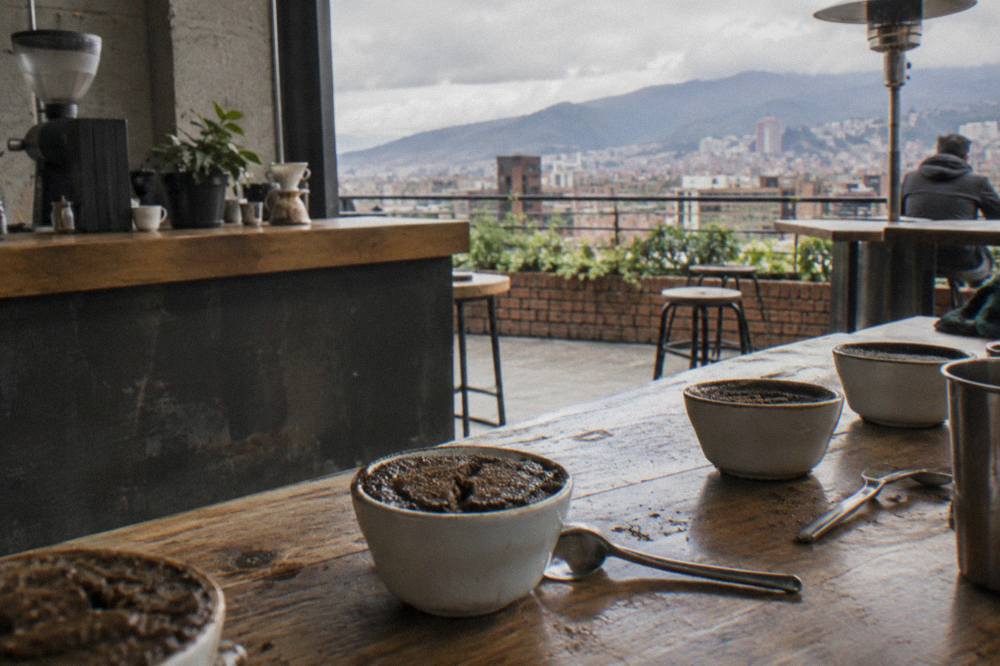
The reason cupping feels ritualistic is that every variable is controlled. Same weight of coffee, same water temperature, same time on the table. When the crust breaks, the aromatics come off in a rush, and that first sniff is scored alongside the flavor, acidity, body and aftertaste once the bowls cool. Professionals do this blind, but a visitor's cupping is more forgiving: the guide names each coffee and helps you attach words to what you are perceiving, from citrus and caramel to the tomato-like acidity some washed Caturras carry.
Bogotá has genuine cupping infrastructure, which is not true of every coffee city. Catación Pública in Usaquén runs an SCA-certified cupping lab with public sessions; 2026 listings describe cuppings led by a certified Q-grader featuring 80-plus SCA-point coffees from 12 Colombian farms, with options including a 20-minute basic session or a one-hour workshop covering four brew methods. Amor Perfecto, the Chapinero Alto pioneer, also holds public cuppings alongside its in-house roasting. A deeper look at where to drink between tours is in the best coffee shops in Bogotá guide, and the Colombian coffee regions and grades guide explains what the origin names on the tasting table actually mean.
Booked cupping and workshop formats sit in the same family as these public sessions but add structure and a guaranteed seat:
The Specialty Coffee Workshops in Bogota listing, from $49.95 per person for two hours, is the most established of these, with 149 reviews and a 5.0 rating on its listing. The two-hour Colombian Coffee Tasting at from $31.15 is rated 4.8 across 105 reviews, and the two-and-a-quarter-hour Coffee and Chocolate tour, from $49 and rated 5.0 across 79 reviews, splits its time between the two products Colombia is most proud of. All three are bookable experiences rather than drop-in events, so your place is held regardless of how busy the bar gets.
What Do Bogotá Coffee Experiences Cost?
Booked coffee experiences in Bogotá range from $20 per person for a one-hour tasting to from $259 for a six-hour private gastronomy tour that includes coffee among many stops; within the coffee category itself, the true minimum is $20 and the ceiling is from $112 for a private four-hour coffee and chocolate walk. Most visitors land between $31 and $50 for a two-hour session.
The spread is wide because the formats are genuinely different animals. A one-hour tasting is a seated session with a handful of coffees. A workshop adds equipment, smaller groups and hands-on brewing. A private tour buys a guide exclusively for your party and, in several listings, the price varies by group size, so the from-price is per person for the largest stated group. One listing, the shared gastronomy walk in the historic center, quotes $15 as a guide fee only, with tastings at about US$12 extra; that one is a food walk rather than a coffee experience, and the figure is worth knowing as the floor of the whole guided-food range.
| Experience | Duration | From price (USD) | Rating (reviews) |
|---|---|---|---|
| Bogotá: Coffee tasting tour | 1 hour | $20 | under 15 reviews, no rating claim |
| Bogotá: Coffee Tasting Experience Tour with Exotic Varieties | 1.5 hours | $37.71 | 4.4 across 16 reviews |
| Bogotá: Colombian Coffee Tasting | 2 hours | $31.15 | 4.8 across 105 reviews |
| Specialty Coffee Workshops in Bogota | 2 hours | $49.95 | 5.0 across 149 reviews |
| Coffee and Chocolate tour in Bogotá | 2 hours 15 minutes | $49 | 5.0 across 79 reviews |
| Bogotá: Coffee & Fine Chocolate Tasting Tour in Chapinero | 1.5 to 2.5 hours | $49 | under 15 reviews, no rating claim |
| Bogota Private Coffee & Chocolate Tour in La Candelaria | 4 hours | from $112, varies by group size | 5.0 across 20 reviews |
| Coffee Farm Experience Day Tour | 8 hours | $94 | 4.8 across 87 reviews |
Two readings of that table matter. First, duration does not predict price: an eight-hour farm day at $94 costs less than a four-hour private city walk at from $112, because you are paying for exclusivity, not hours. Second, the review pools are small on several listings. A 5.0 from five reviews is a perfect score from five people, not a track record; the most reviewed coffee experience here is the Specialty Coffee Workshops listing at 149 reviews. Where a listing's rating or price detail is not shown here, it is on the booking page.

Beyond the tour prices themselves, budget almost nothing extra: the tastings are included in the listed prices, and the sessions happen in fixed venues, so there is no market shopping or tasting-fee creep of the kind the Paloquemao fruit tours involve. If you want to buy beans after a tasting, roasters such as Colo Coffee and Amor Perfecto sell retail, and a coffee at a laptop-friendly café runs roughly $2 to $2.60, so treat that as a ballpark and check the board before you order.
Which Roasteries And Neighborhoods Host The Tastings?
Most booked coffee experiences take place in two areas: La Candelaria, the historic center where several tasting rooms and cultural venues operate, and Chapinero, the district that Time Out named the 7th coolest neighborhood in the world for 2026 and where the densest cluster of specialty roasters sits. Usaquén, in the north, is the third pocket, home to Catación Pública's certified lab.
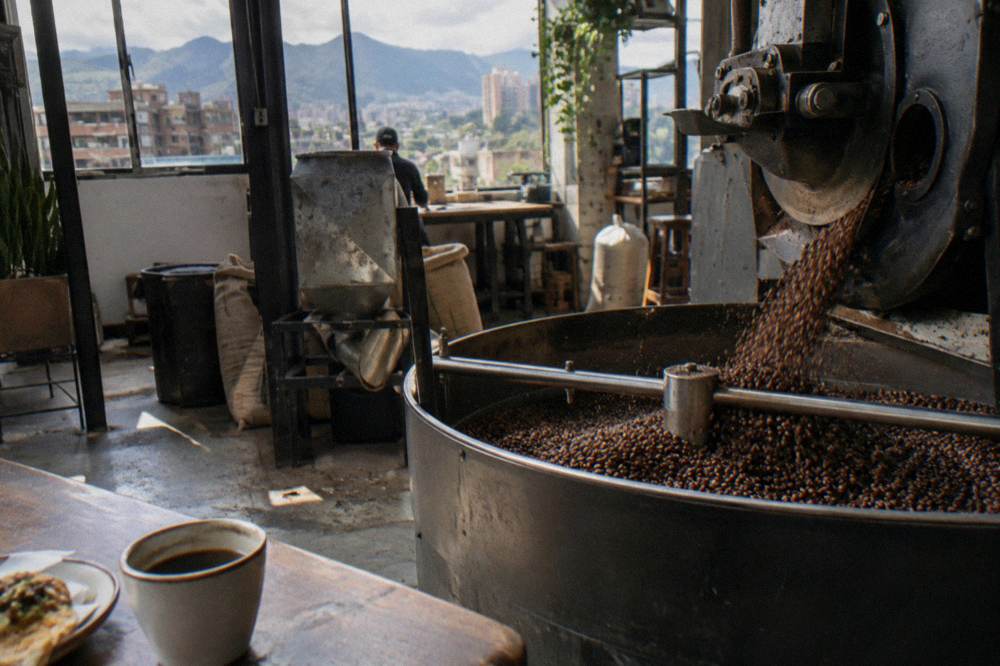
Chapinero is where the roastery layer of Bogotá's coffee scene concentrates. Amor Perfecto's flagship sits in Chapinero Alto; Bourbon Coffee Roasters, which emphasizes per-microlot roast profiles, had a second store slated to open in Zona G in October 2026; Varietale arrived a couple of months before November 2026 in a former convent on Calle 41, buying coffee in parchment and milling it in house; and Tropicalia Coffee, a winner of the SCA 2022 Coffee Design Award, rotates its coffees roughly every three months. These are working roasteries with retail fronts, and several of the booked tasting experiences meet inside rooms like these, per the meeting-point details on each booking page.
| Neighborhood | Signature venues | What hosts tastings there |
|---|---|---|
| Chapinero / Chapinero Alto | Amor Perfecto flagship, Bourbon Coffee Roasters, Varietale, Tropicalia | Roastery tastings, the Chapinero coffee and fine chocolate tour, public cuppings |
| La Candelaria | Cacaote, Casa Orígenes (opened October 2026), cultural venues | Coffee and chocolate pairings, the private four-hour walk |
| Usaquén | Catación Pública SCA-certified lab | Q-grader-led cuppings, brew workshops |
| Zona G / Quinta Camacho | Bourbon's second store (slated October 2026), Tropicalia's El Nogal location | Café tastings near the restaurant district |
La Candelaria, the colonial core, hosts a different flavor of experience. Here the coffee sessions tend to be paired with chocolate, which makes geographic sense: Cacaote, on Carrera 4, runs chocolate santafereño preparation workshops, and Casa Orígenes, opened in October 2026 in a restored republican house, focuses on Colombian bean-to-bar chocolate with tastings, specialty coffee and a gastronomic library. The private four-hour coffee and chocolate walk operates in this neighborhood. For the pairing dish itself, the chocolate santafereño with cheese guide covers the tradition in full.
One 2026 event worth planning around if your dates are flexible: Chocoshow, the country's main cacao gathering, holds its 8th edition at Corferias from 27 to 29 November 2026, with more than 175 exhibitors, cacao catas and live demos. It is not a coffee event, but anyone booking a coffee-and-chocolate tour in late November can see the national cacao industry at full scale on the same trip.
Is A Coffee Farm Day Tour Worth It From Bogotá?
Yes, if you can spare a full day: the Coffee Farm Experience Day Tour runs eight hours from Bogotá to a working farm in the coffee region, costs from $94 per person, and is rated 4.8 across 87 reviews. It is the only format where you stand among the coffee plants and see the full tree-to-cup chain, so it rewards travelers with time more than a short stopover.
The trade is time for depth. A city tasting tells you what the bean becomes; a farm day shows you where it starts, the picking, the depulping, the drying patios, and the enormous labor behind a scored lot. Eight hours sounds long, but much of it is transit to and from the growing region, and the listing describes the day around the farm visit itself. Check the booking page for the meeting point, departure time and what meals are included, since these vary by departure.
For visitors deciding between a farm day and a second city tasting, the honest split is this: if you drink coffee daily and are curious, the city sessions answer your question in two hours. If Colombia's coffee identity is a reason you came to the country, the farm day is the version you will remember, and its 87-review, 4.8-rated track record makes it one of the better-reviewed day trips in this space.
Between the extremes, the Coffee Tasting Experience Tour with Exotic Varieties offers a middle path: 90 minutes at $37.71, rated 4.4 across 16 reviews, focused on unusual varietals rather than farm logistics. It fits a tight schedule better than anything else in the category.
How Do Coffee Tours Differ From Food Walks In Bogotá?
Coffee tours are seated, single-theme and technically focused, while food walks move through streets and markets sampling many dishes, typically 7 to 12 or more tastings over three to four hours in La Candelaria; a coffee session costs from $20 to about $112, while the most reviewed food walk runs 4 hours at $55 with 12-plus tastings, so the choice comes down to depth on one product versus breadth across the whole table.
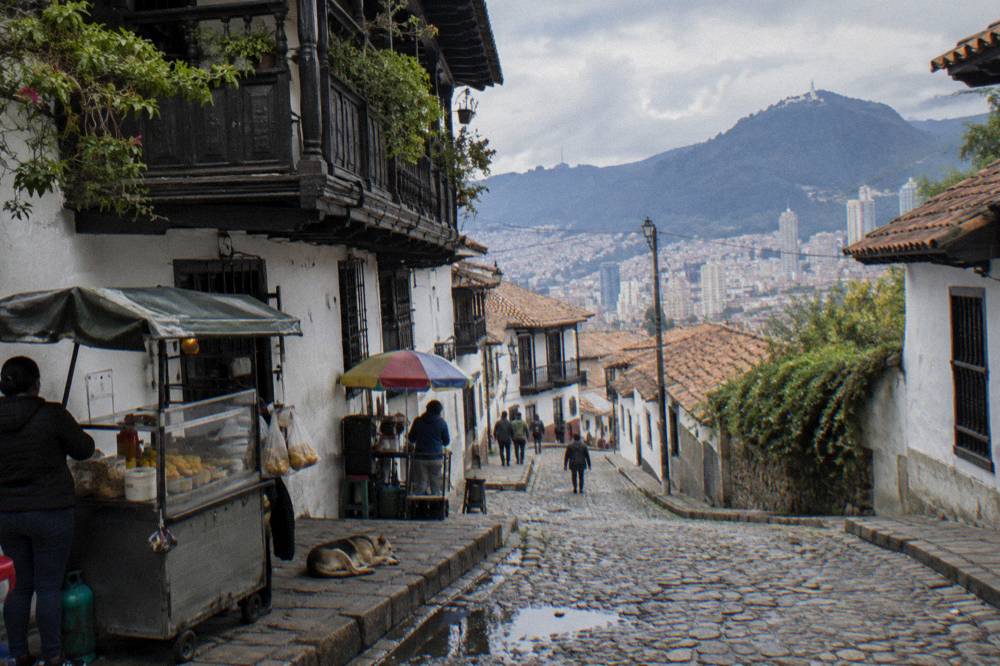
The formats rarely overlap. On a food walk you might cover tamal, arepa, fruit, chocolate and a coffee in a single route; the coffee gets one stop, not a lesson. On a coffee tasting you might spend twenty minutes on why one washed lot tastes of stone fruit while its natural-processed neighbor tastes of strawberry; no dish arrives except perhaps a snack. Food walks burn kilometers between neighborhoods; coffee sessions mostly do not move at all. If your knees or the altitude, at 2,640 m, make a three-hour walk unappealing, that alone can decide it, and the eating at altitude guide has the adaptation basics.
| Coffee tasting | Food walk | |
|---|---|---|
| Typical duration | 1 to 2.5 hours | 3 to 4 hours |
| Movement | Seated, one venue | Walking, multiple stops |
| Tastings | Several coffees, sometimes chocolate | 7 to 12-plus food and drink stops |
| Focus | Origin, processing, brewing method | Dishes, markets, neighborhood history |
| Typical price | $20 to from $112 | $17.71 to $122 for the walks described here |
The strongest answer for many first-time visitors is both, on different days. A coffee workshop early in the trip recalibrates your palate, and every café you walk into afterwards is more interesting. The which food walk should you book guide handles the walking side, and the morning or evening food walk question matters less for coffee, since most tasting sessions are daytime and indoor.
One pairing worth naming: the private four-hour Coffee & Chocolate Tour in La Candelaria, from $112 with the price varying by group size and a 5.0 rating across 20 reviews, deliberately bridges the two worlds. It is a walking format, but its subject stays on the two Colombian products that reward expert explanation most.
How Do You Choose The Right Coffee Experience?
Match the format to your time and curiosity: one hour and $20 if you want a guided tasting with no commitment, two hours and $31 to $50 for a tasting or workshop with brewing technique, from $94 and a full day for the farm trip, and from $112 for a private walk that pairs coffee with chocolate. Check each booking page for meeting point, inclusions and cancellation terms before you commit.
A few practical filters narrow it fast. Reviewers who want technique gravitate to the workshop formats; the Specialty Coffee listing, the most reviewed coffee experience in this set at 149 reviews, is built around brewing skills rather than tourism. Travelers on a tight schedule should look at the 60-to-90-minute options, which leave the rest of the day for museums or Monserrate. Anyone with dietary constraints should message the operator before booking, since tasting snacks vary and no listing in this category is described as vegan or gluten-free.
Timing inside the day matters less than for food walks, but morning still wins: palates are fresher, cafés are quieter, and the 2026 weather pattern, with a strong El Niño expected through February 2027 bringing drier days, means an indoor tasting is rarely disrupted anyway. Book ahead for weekends, when the city's own coffee drinkers fill the tasting rooms, and confirm on the booking page whether your session is shared or private, since that is the single biggest driver of the price differences above.
Whatever you book, arrive curious and slightly hungry rather than caffeinated. The whole point of a tasting is that the coffees do the talking, and in a city whose roasters now source micro-lots as carefully as its chefs source produce, that conversation is better than it has ever been. More on where the scene sits citywide is in the best coffee shops in Bogotá roundup, and for the site's wider food coverage start with Bogota Food Tours.
Common Questions About Coffee Tasting In Bogotá
How Much Does A Coffee Tour In Bogotá Cost?
Booked coffee experiences run from $20 for a one-hour tasting to from $112 for a private four-hour coffee and chocolate walk, with most two-hour sessions between $31 and $50. The eight-hour Coffee Farm Experience Day Tour is $94.
What Is Coffee Cupping?
Cupping is the industry's standardized scoring method: identical doses of ground coffee are steeped in bowls, the crust is broken, and each coffee is slurped and compared for aroma, flavor, acidity, body and aftertaste. Guided sessions in Bogotá walk visitors through the process with several Colombian lots.
Do I Need Coffee Knowledge To Join A Tasting?
No. The sessions are built for beginners, and the guide attaches vocabulary to what you are already perceiving. Enthusiasts get more out of the longer workshop formats, which cover brewing methods and roasting.
Can You Visit A Coffee Farm From Bogotá?
Yes. The Coffee Farm Experience Day Tour is an eight-hour round trip to a working farm in the coffee region, from $94 per person, rated 4.8 across 87 reviews. Check the booking page for departure details and inclusions.
Are The Coffee Experiences In English?
Most listed coffee tours in Bogotá are offered in English as well as Spanish; the language options for each specific tour are shown on its booking page.