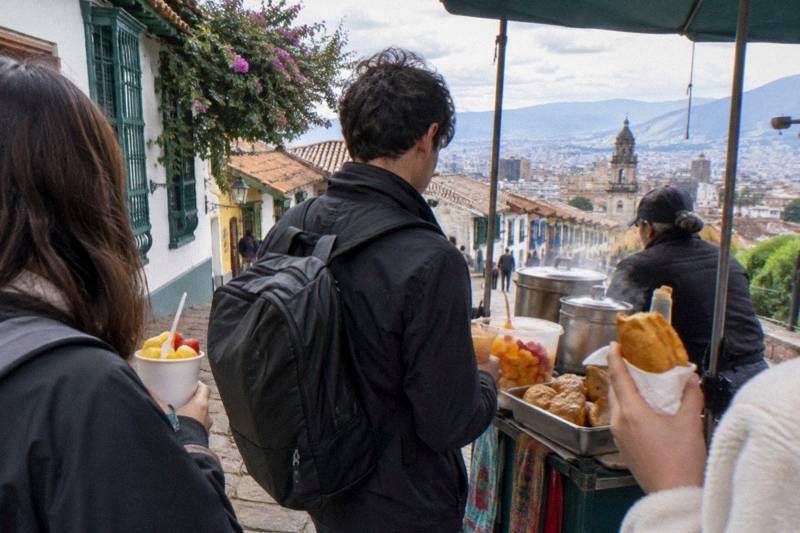
Bogotá In 3 Days: A Food-First Itinerary
Three days is enough to eat well through Bogotá if you plan around altitude, market hours and one booked tasting walk instead of chasing everything at once.
Short answer
A food-first three days in Bogotá works as one light arrival day, one market and food walk day, and one coffee and neighborhood day. The most reviewed tasting walk here is 4 hours from $55 per person, a Paloquemao market morning runs 3 hours from $82, and a coffee and chocolate tasting runs 2 hours 15 minutes from $49.
Bogotá sits at about 2,640 m, and that single number shapes every good eating plan more than any restaurant list does. Three days gives you enough time to adjust to the altitude, work through one historic-centre tasting walk, one market morning and one coffee neighborhood, without turning meals into a checklist. This itinerary treats food as the spine of the trip: each day has one anchor food experience, one or two supporting stops, and enough slack to change plans when a rainy afternoon arrives, which the October and November season delivers regularly.
The plan below draws on verified tour durations, prices and meeting points, plus official market hours and 2026 city sources. Slots are planning suggestions, not operator promises: where a detail is not stated on a booking page, check before you commit. If you want a deeper look at any single piece, the guides on Bogota Food Tours break down markets, dishes, coffee and safety one topic at a time.
How Should You Structure Three Days Of Eating In Bogotá?
The structure that works is one light arrival day, one deep market and walking day, and one coffee and neighborhood day. Each day carries exactly one anchor food activity of two to four hours, booked in advance, with unbooked meals around it. Trying to stack two booked tours in one day is the most common mistake in a three-day plan.
The reason is physical as much as logistical. Bogotá health guidance recommends one to two days of adaptation before strenuous activity, heavy hydration and lighter meals, with altitude symptoms typically peaking in the first 24 to 48 hours. That argues for a gentle day one: a short walk, a sit-down soup, an early night. By day two you are ready for a 4-hour tasting walk through La Candelaria. Day three, with legs and lungs adjusted, suits Chapinero, specialty coffee and a slower crawl between cafés.
Book at most one paid food activity per day. The three anchors that fit this shape neatly are a historic-centre tasting walk, a Paloquemao market morning and a coffee and chocolate tasting. Everything else, street snacks, market lunches, chocolate santafereño, belongs in the free gaps. For background on which dishes to chase in those gaps, see what to eat in Bogotá and the Bogotá street food guide.
| Day | Anchor activity | Duration | Supporting food | Pace |
|---|---|---|---|---|
| Day 1 | Arrival, light historic-centre stroll | Unbooked | Ajiaco or changua breakfast, early dinner | Light, altitude adjustment |
| Day 2 | Paloquemao market morning, then a tasting walk | 3 hours plus 4 hours | Fruit you bought at the market | Full day |
| Day 3 | Coffee and chocolate tasting, Chapinero cafés | 2 hours 15 minutes | Brunch, craft beer evening | Relaxed |
What Should Day One Look Like When You Arrive At Altitude?
Keep day one deliberately light: land, eat a warm breakfast, walk a short loop in La Candelaria at an easy pace, and finish with soup and an early night. Bogotá sits around 2,640 m and the first 24 to 48 hours are when headaches and fatigue peak, so heavy meals, alcohol and long climbs are best saved for later days.
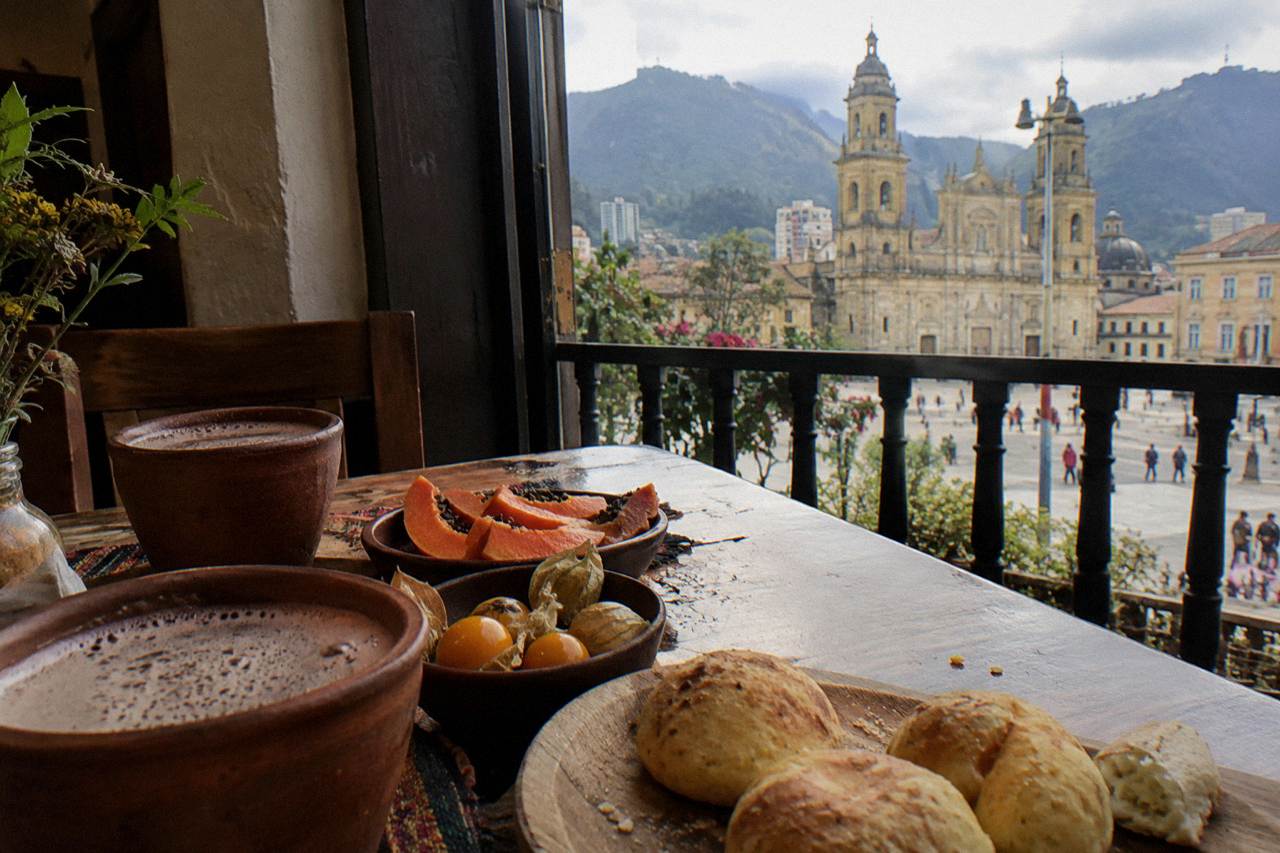
Start with breakfast, because Bogotá does it unusually well. Changua, a milk and egg soup with bread, and calentado, reheated rice and beans with egg, are the traditional openers, and a tamal with hot chocolate is the weekend version. The Bogotá breakfast guide maps where these are done well. For the classic version of hot chocolate with cheese dropped into it, read chocolate santafereño explained; La Puerta Falsa, operating since 1816 beside the Catedral Primada, is the historic reference point.
Spend the middle of the day on a short, flat loop in La Candelaria while your body adjusts. The district's pickpocket risk is higher than the north of the city and the standard advice is to stay on main streets and squares in daytime, which is all a day-one plan needs anyway. Bogotá's health secretariat recommends 3 or more liters of water a day, light meals and 6 to 8 hours of sleep during acclimatization, advice worth following before a big eating day. The US State Department's current Colombia advisory is Level 3, Reconsider Travel, issued 31 March 2026, with some departments at Level 4, none of them Bogotá; conditions change, so check official advice before you travel.
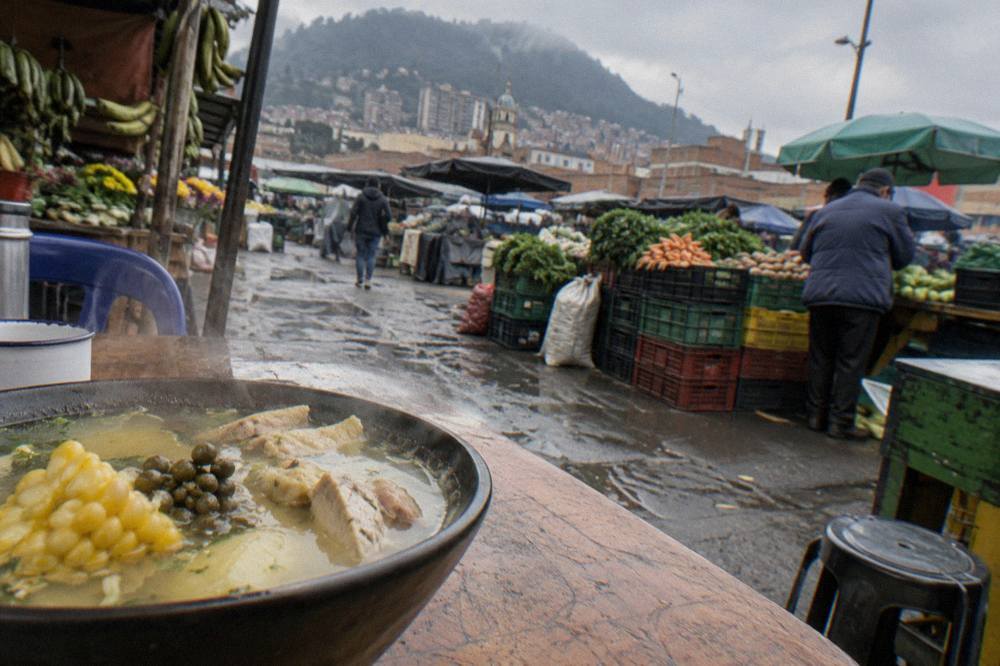
For dinner, ajiaco is the dish that answers altitude best: a hot, chicken and potato soup with corn and guascas herb. The ajiaco guide covers the market plazas that serve it, including Plaza Distrital de Mercado 12 de Octubre, reported open on Monday, Tuesday, Friday and Saturday from 7 a.m. to 4 p.m. Delivery menus in late 2026 show a 16 oz ajiaco at about 23,700 COP and a 24 oz at about 33,900 COP, reported figures that give a sense of the local price floor.
Day one is also the day to decide which booked slots fill days two and three. That choice comes down to three formats: a tasting walk, a market tour and a coffee tasting, and the three pair naturally with the three days.
Which Tasting Walk Should Anchor Day Two?
The Viejo Bogota Food Tour with 12+ Tastings is the most reviewed tasting walk available, rated 5.0 across 714 reviews, from $55 per person for 4 hours, and it fits day two perfectly because by then the altitude fog has lifted and a long walking meal feels good rather than punishing. Alternatives run 3 to 4 hours from $15 to $122.
The 4-hour format matters in a three-day plan: it is long enough to count as the day's main event and short enough to leave an evening. The listing describes 12 or more tastings through the historic centre, which turns day two from "a walk plus lunch" into a single continuous meal with a guide explaining each stop. Meeting point and full inclusion details are stated on the booking page, so check there before finalising your morning around it. Cancellation is free up to 24 hours before, which matters in a city where the October and November rainy season brings afternoon showers.
If a 4-hour walk feels like too much for day two, shorter options exist at different price points. The Bogota Shared Gastronomy Tour in the Historic Center runs 3 hours with a guide fee from $15, with tastings costing about US$12 extra, rated 4.9 across 291 reviews. The Bogotá Food Experience: Cultural & Culinary Tour runs 4 hours from $47.15 per person, rated 4.9 across 615 reviews. If matching a walk to your pace is the real decision, which Bogotá food walk to book compares them in detail, and what a Bogotá food walk costs breaks down price basis, since several prices vary by group size.
The evening after a big tasting walk should be quiet. This is the night for the craft beer stop: 3 Cordilleras, which reported in October 2026 that it holds about 48 percent of Colombia's artisanal beer market, and Bogotá Beer Company, whose pints are reviewed around 80,000 COP, are the two names to know. The Bogotá craft beer guide covers both. If you want a booked evening instead, a 3-hour craft beer tour with tasting runs from $149.53, rated 4.9 across 121 reviews.
Why Is Paloquemao The Morning Anchor For Day Two Or Three?
Paloquemao is Bogotá's central food market, open Monday to Saturday from 4:30 a.m. to 4:30 p.m. and Sundays and holidays from 5 a.m. to 4:30 p.m., and a guided market tour turns an overwhelming wholesale plaza into a structured tasting morning. The tours run 2.5 to 3 hours, from $45.91 to $191 depending on format.
The pre-dawn to mid-morning window is when Paloquemao is at its most vivid, with trucks unloading produce and vendors offering tastes of fruits like granadilla, lulo and uchuva; the energy thins after midday. That makes the market a morning activity by nature, and the natural partner to an afternoon or evening tasting walk. A guided version solves the two hard parts of visiting alone, identifying unfamiliar fruit and knowing which stalls welcome tasting. The listing titled PALOQUEMAO MARKET FOOD TOUR, exotic fruit and local snacks, minimum 2 people, runs 3 hours from $82 with the price varying by group size, rated 4.9 across 71 reviews; inclusions and meeting point are on the booking page.
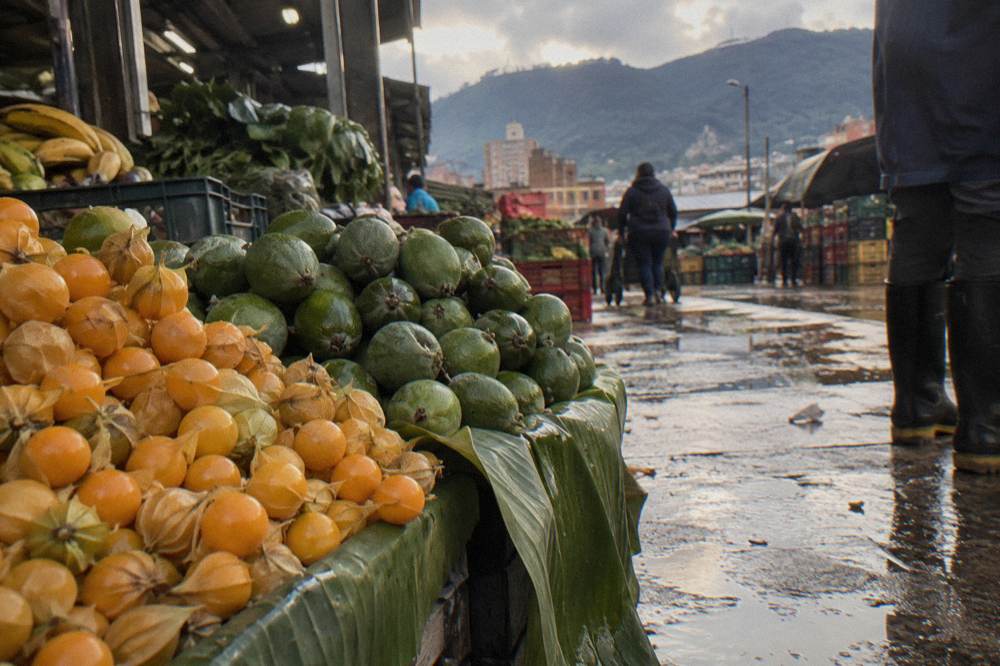
Other formats suit other budgets. A shared exotic fruit tour runs 3 hours from $50.17, rated 4.6 across 32 reviews, and a private Paloquemao tour with 25 or more tastings runs 3 hours from $103, rated 5.0 across 19 reviews. The private Gastronomy of Colombia tour at 6 hours from $259 is a different animal, closer to a full-day private plan than a market visit. For the full picture of the plaza itself, including why the flowers sector is only worth seeing before 11 a.m., read the Paloquemao market food guide and Paloquemao hours and best time to go. The plaza's own site posts current hours and notices.
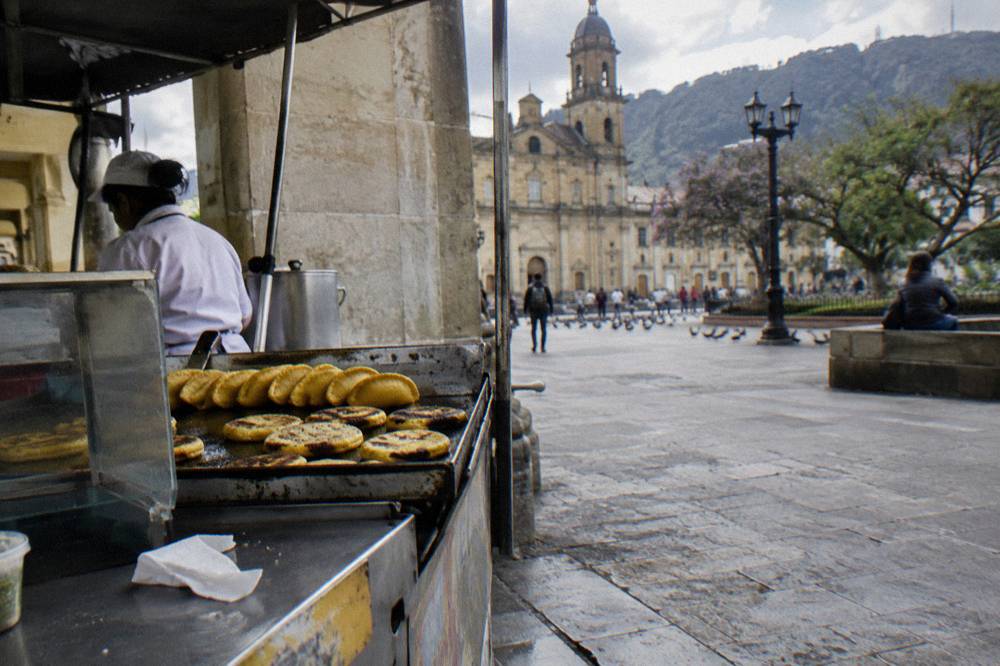
Beyond Paloquemao, the city runs a 2026 market route across its district plazas, with La Perseverancia featured for traditional food and Samper Mendoza for herbs; Samper Mendoza documented 391 plant species in one plaza, 201 of them native to Colombia. Usaquén's Sunday flea and food market runs Saturdays, Sundays and holiday Mondays from 9 a.m. to 5:30 p.m. with arepas, fresh-cut fruit and hot chocolate stalls. If your three days include a weekend, the Usaquén Sunday market guide shows how to slot it in, and Bogotá markets beyond Paloquemao covers the rest.
What About Coffee, Chocolate And Chapinero On Day Three?
Day three belongs to coffee, and the Coffee and Chocolate tour in Bogotá is the anchor that fits: 2 hours 15 minutes from $49, rated 5.0 across 79 reviews, leaving the rest of the day for Chapinero's independent roasters and a long dinner. Shorter tastings run from $20 to $100, and a full coffee farm day trip runs 8 hours from $94.
Chapinero Alto earned a spot as the 7th coolest neighborhood in the world in Time Out's 2026 ranking, the only Latin American entry in the top 10, and its coffee scene is a large part of why. Amor Perfecto, a pioneer since the 1990s with seven national barista championships, runs public cuppings; Catación Pública in Usaquén runs a certified cupping lab with sessions led by a Q-grader featuring 80-plus point coffees from 12 Colombian farms. Varietale, a roastery in a former convent in Chapinero that mills its own parchment coffee, had been open only a couple of months as of early November 2026. The best coffee shops in Bogotá and coffee tasting and cupping experiences guides map these out.
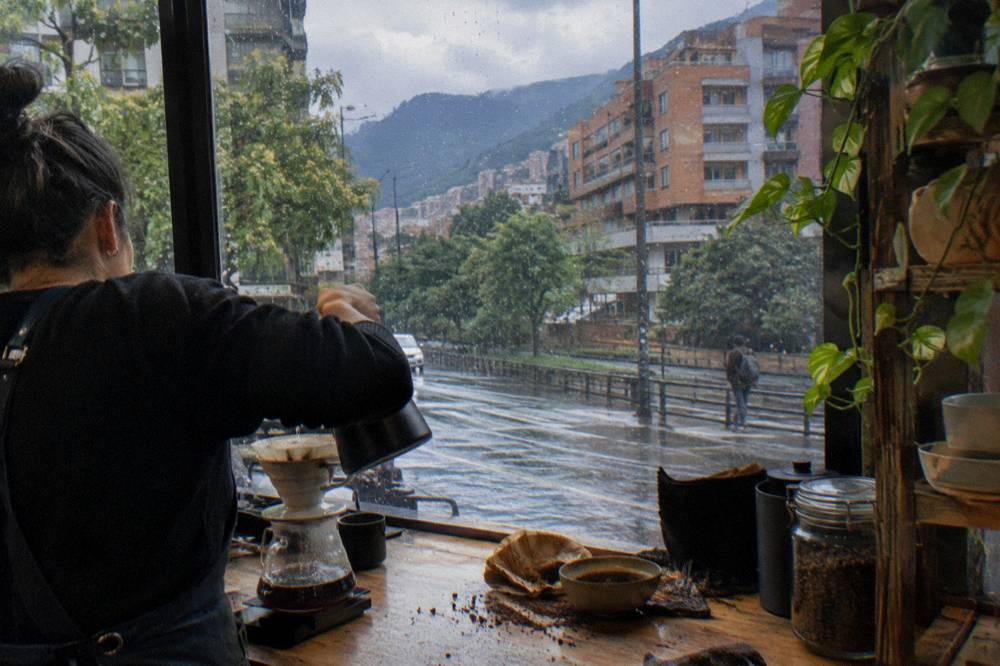
Chocolate deserves its own slot, and late 2026 is a good moment for it. Casa Orígenes opened in October 2026 in a restored republican house in La Candelaria, focusing on Colombian bean-to-bar chocolate with tastings and a gastronomic library, and it hosts the International Chocolate Awards in Colombia. Chocoshow 2026, the eighth edition, runs 27 to 29 November at Corferias with more than 175 exhibitors, tied to 2025 cacao exports of US$413.1 million. If your trip overlaps either, move them up the list.
For a hands-on final day instead, a Colombian cooking class with market visit runs 4 hours from $90, rated 4.5 across 3 reviews, and a private cooking class and market tour runs 4 hours from $95. The cooking classes guide compares them, including which ones cook ajiaco. A class makes a good day-three anchor when you want to bring the trip home with you rather than eat your way out of it.
How Do Hours, Transport And Neighborhoods Shape The Plan?
Market hours, the 3,550 COP TransMilenio fare and the north-south split of Bogotá's food neighborhoods decide whether a three-day plan actually runs on time. Markets open extremely early and wind down by mid-afternoon, the unified transit fare has a 125-minute transfer window, and the main food districts sit along one corridor from La Candelaria to Chapinero and Usaquén.
The single most common planning error is treating a market visit as an anytime activity. Paloquemao's flowers sector is only worth seeing before 11 a.m., and the wholesale energy fades after midday. La Perseverancia runs Monday to Friday 8 a.m. to 4 p.m. and weekends 6 a.m. to 5 p.m. Samper Mendoza's nocturnal herb market runs Monday and Thursday nights from 9 p.m. to 5 a.m., a genuinely odd schedule that can only fill a late slot. Usaquén's market needs a weekend morning. Match the day to the hours, not the other way round.
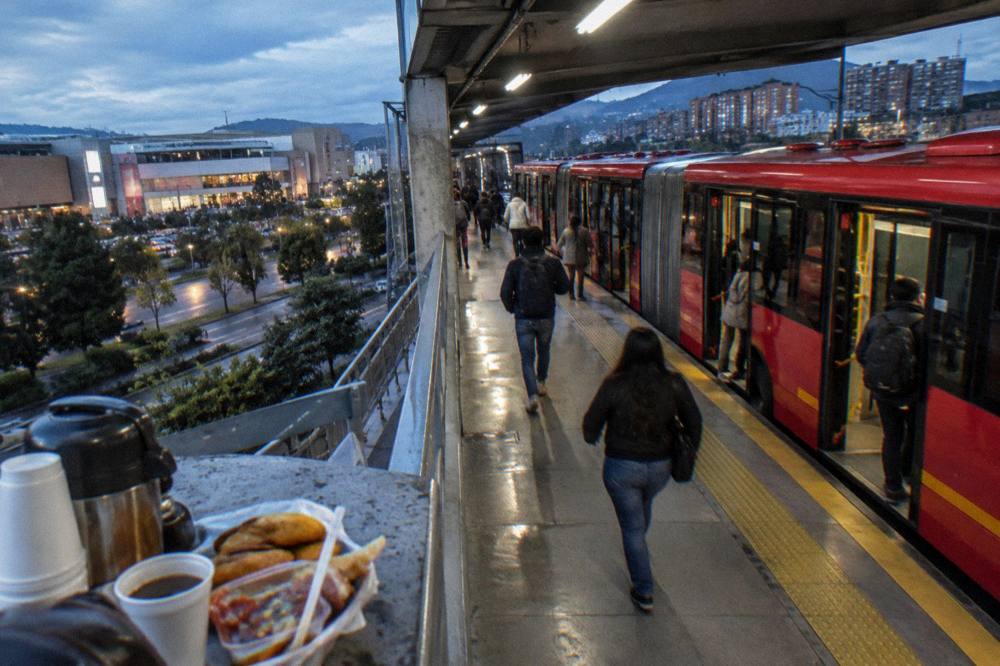
Getting around is cheap and simple on the trunk system: the unified fare for TransMilenio and its feeder services is COP 3,550 as of 14 January 2026, with a 125-minute free transfer window, which covers most food-hopping between La Candelaria and Chapinero. App-based cars and authorized taxis fill the gaps, and the getting around Bogotá guide explains when each makes sense. For where to base yourself, the where to stay guide weighs La Candelaria's walkability against Chapinero's restaurant density.
| Place | Hours (reported) | Best slot in the plan |
|---|---|---|
| Paloquemao | Mon to Sat 4:30 a.m. to 4:30 p.m., Sun 5 a.m. to 4:30 p.m., flowers until 11 a.m. | Day 2 or 3 morning, before 10 a.m. |
| La Perseverancia | Mon to Fri 8 a.m. to 4 p.m., weekends 6 a.m. to 5 p.m. | Weekend lunch for ajiaco and lechona |
| Samper Mendoza night market | Mon and Thu 9 p.m. to 5 a.m. | Only if you want a nocturnal herb market |
| Usaquén flea and food market | Sat, Sun, holiday Mon 9 a.m. to 5:30 p.m. | Weekend day 3 late morning |
| Plaza 12 de Octubre | Reported Mon, Tue, Fri, Sat 7 a.m. to 4 p.m. | Ajiaco lunch stop |
Safety framing stays the same across all three days: La Candelaria is fine on main streets in daytime with attention to pickpockets, Chapinero, Usaquén and Parque 93 are the more policed visitor areas day and evening, and conditions change, so read the is Bogotá safe for tourists guide before locking evening plans. Tap water is officially potable in Bogotá, though some visitors still choose bottled.
What Does A Food-First Three-Day Budget Look Like?
A realistic three-day food budget runs from about $134 per person on the anchor tours alone, using the true minimums: $55 for the tasting walk, $82 for the Paloquemao tour and $49 for the coffee and chocolate tour, before any meals, snacks or drinks. Swapping in cheaper anchors can cut that to under $100; going private can triple it.
Those three anchors are the plan this itinerary recommends, and their prices are per-person from-prices, with the Paloquemao tour's price varying by group size. Under them sit the cheaper options: the shared gastronomy tour from $15 plus about $12 in tastings, and a 1-hour coffee tasting from $20 (6 reviews, too few to treat its rating as settled). Above them, the private Gastronomy of Colombia tour reaches $259, and a chocolate workshop runs $159.58 for 1 hour, rated 4.8 across 49 reviews.

Meals around the anchors cost far less than the anchors themselves, once you eat where the reported local prices live: an almojábana around 4,700 COP, a pan de bono around 4,300 COP, a lulo juice at a La Candelaria cart at 4,000 COP, a tamal festival combo with a hot drink at 10,000 COP. At roughly 3,183 COP to the dollar as of early November 2026, those are rounding errors next to a $55 walk. Tipping is optional and capped by law: sit-down restaurants ask whether to add the voluntary 10 percent propina, and it can be declined; street food and counters expect nothing, as the tipping guide explains.
| Anchor | From price | Rating and reviews | Duration | Day |
|---|---|---|---|---|
| Viejo Bogota Food Tour with 12+ Tastings | $55 per person | 5.0 across 714 reviews | 4 hours | Day 2 |
| Paloquemao market tour (exotic fruit, min 2) | $82, varies by group size | 4.9 across 71 reviews | 3 hours | Day 2 or 3 |
| Coffee and Chocolate tour | $49 per person | 5.0 across 79 reviews | 2 hours 15 minutes | Day 3 |
| Shared Gastronomy Tour (budget swap) | $15 guide fee, tastings about $12 extra | 4.9 across 291 reviews | 3 hours | Any |
| Gastronomy of Colombia private (splurge) | $259, varies by group size | 4.5 across 15 reviews | 6 hours | Day 3 |
If the Festival del Tamal, 5 to 8 December 2026, or Bogotá Gourmet, with fixed two-person menus at 89,000, 139,000 or 199,000 COP through 22 November, overlap your dates, budget a meal for them. Both change the arithmetic of which days carry the anchors, since a festival meal can replace a booked tour slot.
Common Questions About A Food-First Three Days In Bogotá
Is 3 Days In Bogotá Enough For A Food Trip?
Yes. Three days covers one tasting walk, one market morning and one coffee day, which are the three anchors of Bogotá's food scene. The constraint is altitude, not time: the first 24 to 48 hours should stay light, so day one is a warm-up rather than a booked tour day.
What Should I Do On My First Day In Bogotá?
Keep it light: a traditional breakfast such as changua or calentado, a short daytime loop in La Candelaria on main streets, ajiaco for dinner and an early night. Health guidance for the 2,640 m altitude recommends hydration, light meals and little alcohol while you adjust.
Which Food Tour Should I Book For A Short Trip?
The Viejo Bogota Food Tour with 12+ Tastings is the most reviewed option, rated 5.0 across 714 reviews, from $55 per person for 4 hours. On a tight budget, the Shared Gastronomy Tour runs from $15 as a guide fee with tastings about $12 extra, rated 4.9 across 291 reviews.
Should I Visit Paloquemao With A Tour Or On My Own?
Alone is free and fine early in the morning, but a tour identifies the fruit and covers the tastings. Guided options run 2.5 to 3 hours from $45.91 to $191; the most reviewed, the Paloquemao Market Food Tour, runs 3 hours from $82, rated 4.9 across 71 reviews.
What Time Of Day Is Best For The Market Visits?
Early. Paloquemao opens at 4:30 a.m. on weekdays and its flowers sector winds down by 11 a.m., with the wholesale energy fading after midday. Usaquén's market needs a weekend morning; Samper Mendoza's herb market runs Monday and Thursday nights from 9 p.m.
Can I Do A Coffee Day Without Leaving Bogotá?
Yes. A coffee and chocolate tasting runs 2 hours 15 minutes from $49, and Chapinero's roasters, several with public cuppings, fill the rest of the day. An 8-hour coffee farm day trip from $94 exists if you would rather see the farm, but it consumes a full day of a three-day plan.