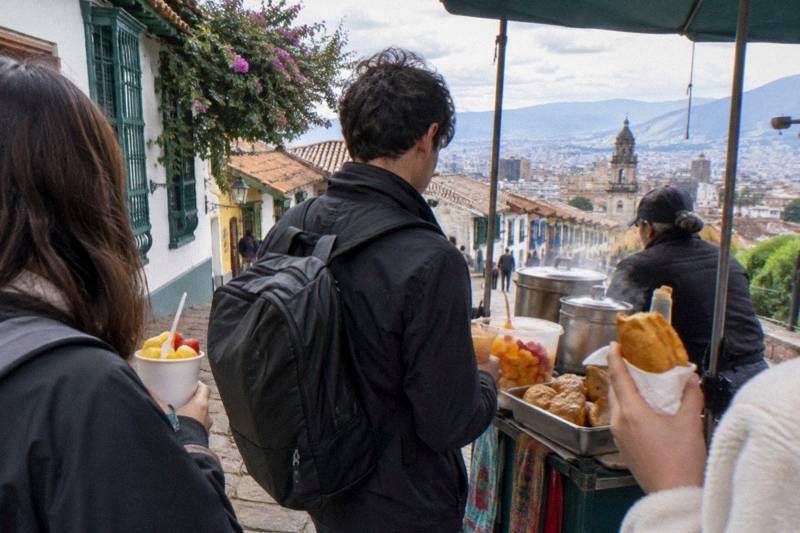
Bogotá Weather And What To Pack For A Food Trip
Bogotá sits high in the Andes, and its weather shapes every part of a food trip, from which market stalls are open at dawn to how much water you should drink between tastings.
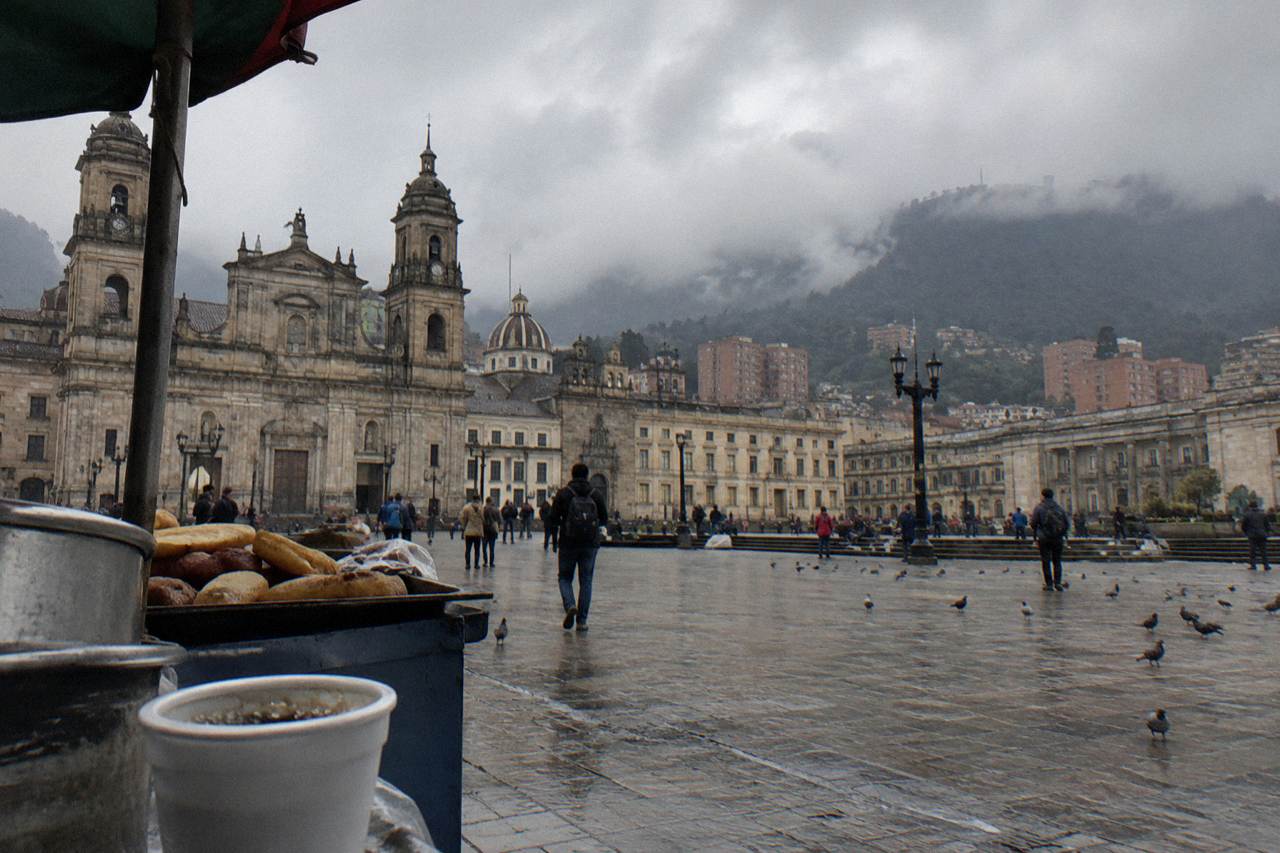
Short answer
Bogotá averages around 14 C year round, with rainy seasons from April to May and October to November. Pack layers, a rain shell and sun protection, plan market visits for mornings, and allow a day or two to adjust to the 2,640 m altitude before long walking tours. A four hour food walk such as the Viejo Bogota Food Tour with 12+ Tastings costs from $55 per person.
Bogotá does not behave like a tropical city, because it is not one. At roughly 2,640 m above sea level, high in the Eastern Andes, it trades the beach heat visitors may expect from Colombia for something closer to a permanent northern spring: cool nights, mild afternoons and a sky that can move from bright sun to a soaking shower in a single afternoon. The food culture grew up around that climate. Hot chocolate with cheese, steaming bowls of ajiaco soup and slow Sunday tamales all make sense at 14 degrees.
This guide covers what the weather actually does across the year, what it means for markets and food walks, and what to pack so that neither rain nor altitude gets between you and the plate. The short version: layers, a rain shell, comfortable waterproof-ish shoes and a water bottle, plus a light plan for your first day or two at elevation. Everything here is framed for people whose main activity is eating well.
What Is The Weather Like In Bogotá?
Bogotá is cool rather than warm, with an approximate average temperature of around 14 C across the year, small swings between day and night, and no real summer or winter. Daytime highs sit roughly in the high teens and nights can drop toward single digits, so the felt temperature changes more within a day than between months. Expect sun, cloud and sometimes rain inside the same afternoon.
The city's climate is governed by altitude more than by latitude. Because Bogotá stands about 2,640 m up, the air is thinner and cooler than its position near the equator would suggest. Mornings often start grey, especially in the hills, then clear toward midday, then cloud over again in the afternoon. Locals plan around this rhythm: markets are at their best early, lunch is the big meal of the day, and evenings are for hot drinks.
What surprises many first time visitors is the sun. When the sky clears, the high elevation sun is intense, and sunburn happens quickly even at 14 degrees. The other surprise is the indoor temperature problem: much Bogotá housing has no central heating, so a chilly restaurant evening can feel colder than the street. A sweater you can keep in a daypack solves both problems.
For food travelers the practical takeaway is simple. Long tasting walks work best when they start in the late morning, and a cooking class or coffee tasting makes a natural warm afternoon anchor. Our three day food first itinerary for Bogotá is built around exactly this day shape, with market mornings and indoor tastings placed where the weather is least cooperative.
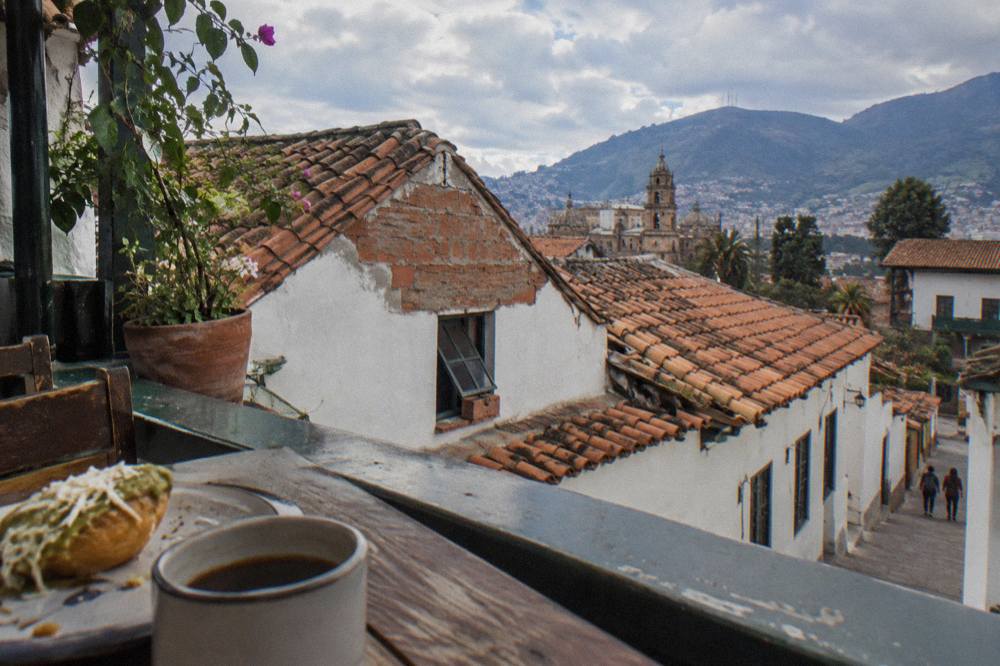
When Is The Rainy Season In Bogotá?
Bogotá has two rainy seasons in a typical year, from April to May and from October to November, with afternoon showers the common pattern rather than all day downpours. The driest stretch is usually December through February. As of late 2026, forecasters report a strong El Niño event with more than 90 percent probability for late 2026 into early 2027, which is expected to bring drier, sunnier days and colder nights through February 2027.
The bimodal pattern is the single most useful weather fact for planning a food trip. In the rainy windows you do not need to cancel anything, you just need timing: showers tend to arrive in the afternoon, so morning market runs, early lunch reservations and daytime food walks stay comfortable while evening plans carry a rain shell. In the drier months, outdoor terraces, flea market browsing and long walking routes get easier.
The El Niño outlook, as reported in the September 2026 IDEAM forecast coverage, points to less rain than average over the coming months, potentially the most intense such event since 1950. If it plays out as projected, visitors in late 2026 and early 2027 should expect more sun, which is pleasant, but also sharper nighttime cold and stronger sun exposure at altitude. Neither changes the packing list fundamentally, but it tilts it: pack for cool evenings with real seriousness.

| Period | Typical pattern | What it means for eating |
|---|---|---|
| December to February | Driest, sunniest stretch | Best for terraces, outdoor markets, long walks |
| March | Transition, showers increase | Flexible plans, morning anchors |
| April to May | Rainy season, afternoon showers | Market mornings, indoor tastings after lunch |
| June to September | Mild, mixed sun and cloud | Good all round, pack a light shell anyway |
| October to November | Rainy season, cool and damp | Early starts, warm lunch stops, evening rain gear |
What Should You Pack For A Food Trip To Bogotá?
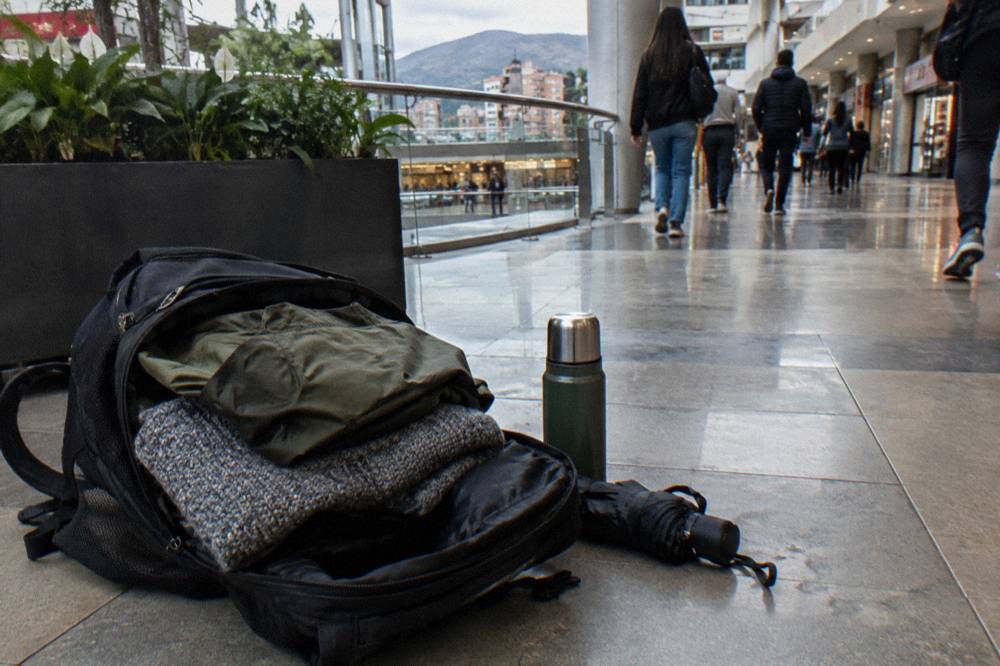
Pack layers above all: a base t-shirt, a warm mid-layer such as a fleece or sweater, and a waterproof shell with a hood, plus long trousers and comfortable walking shoes with decent grip. Add sunscreen, sunglasses, a refillable water bottle and any altitude aids you prefer. You do not need heavy winter gear, and you rarely need shorts, because days stay mild and evenings run cold.
The layering advice is not generic. Bogotá's felt temperature swings widely across a single day, and food trips make it worse in a good way: you walk in the sun, sit in an unheated market hall, stand over a steaming soup pot, then step back into a drizzle. Three light layers you can shed and put back on beat one heavy coat every time, and they leave daypack room for market purchases like fruit or coffee beans.
Footwear deserves one honest paragraph. Market floors, especially at Paloquemao and the other plazas, are wet in the mornings from produce washing and cleaning, and La Candelaria's sidewalks are a mix of cobblestones and patched concrete. Shoes with grip and some water resistance will keep you comfortable on a three or four hour tasting walk. Bring more socks than you think you need.
Beyond clothing, three items earn their place. Sunscreen, because ultraviolet exposure at 2,640 m is strong even on grey days. A water bottle, because hydration is the main practical defense against altitude symptoms. And a small daypack or tote, because a food trip generates things: fruit you bought, a bag of roasted coffee, an arequipe treat for later. The city's official visitor health guidance, published at bogota.gov.co, recommends heavy hydration, light meals and 6 to 8 hours of sleep for new arrivals, all of which your packing list can support.
| Item | Why it earns space | Notes |
|---|---|---|
| Waterproof shell with hood | Afternoon showers, market spray | More useful than an umbrella on walks |
| Fleece or warm sweater | Unheated restaurants, cold nights | One is enough, wear it on transit days |
| Walking shoes with grip | Wet market floors, cobblestones | Water resistant beats ventilated |
| Sunscreen and sunglasses | Strong UV at 2,640 m | Apply even on cloudy mornings |
| Refillable water bottle | Altitude hydration | Tap water is officially potable |
| Daypack or tote | Market purchases, layer storage | Keeps hands free for tastings |
If you are weighing guided options against exploring solo, the tours compared here cover the three formats that fit this climate best: a long street-food walk, a covered market morning and an indoor coffee and chocolate tasting. Each one suits a different weather mood.
Does The Weather Change How Markets And Food Walks Run?
Yes, mainly through timing rather than closures. Paloquemao opens Monday to Saturday from 4:30 a.m. to 4:30 p.m. and Sundays and holidays from 5:00 a.m. to 4:30 p.m., so it is a dry, buzzing morning plan even in the rainy season. Usaquén's Sunday market runs 9:00 a.m. to 5:30 p.m. and suits a dry day. The Viejo Bogota Food Tour runs rain or shine, while The Fruit Tour needs good weather and refunds if cancelled.
The morning bias of Bogotá's market culture is a gift to rainy season travelers. Paloquemao's wholesale energy peaks pre-dawn through about 10 a.m. on weekdays, with trucks unloading produce and vendors offering tastes of fruits like granadilla, lulo and uchuva, and the halls are covered, so weather barely touches you once inside. By early afternoon the market thins, which is one reason tour operators run their Paloquemao walks in the morning window. The plaza's official hours and details are published at Visit Bogotá's official page.
Guided walks handle rain as a normal condition. Operators describe their routes as running in light rain, since the historic centre's arcades, market halls and restaurant interiors give plenty of covered stops, but check the booking page for the operator's own weather and cancellation policy rather than assuming. As a rule of thumb, book walking tours with late morning starts in the rainy windows, and save open air plans like the Usaquén flea and food market, which operates Saturdays, Sundays and holiday Mondays, for drier forecasts.
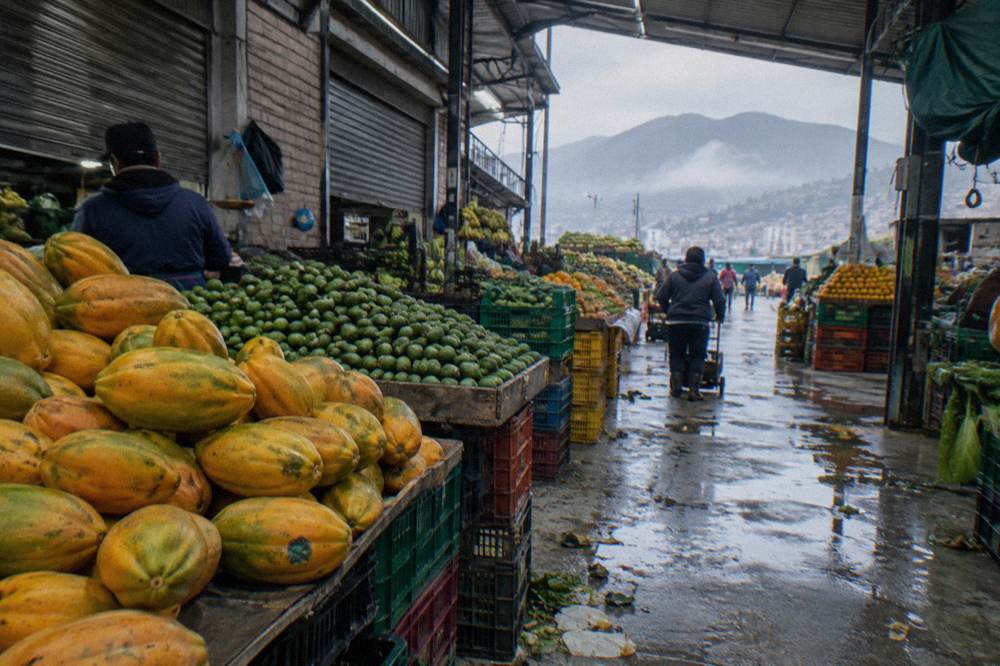
For a market morning done with a guide, the Paloquemao Market Food Tour with exotic fruit and local snacks runs 3 hours from $82 per person, rated 4.9 across 71 reviews, with a listed minimum of two participants. It pairs naturally with a rainy season plan because the whole route sits inside the covered plaza halls.
For the featured eating walk itself, the Viejo Bogota Food Tour with 12+ Tastings covers about four hours in the historic centre from $55 per person, rated 5.0 across 714 reviews, the most reviewed food walk described on Bogota Food Tours. Its length and indoor stop density make it workable across the seasons.
How Does Bogotá's Altitude Affect Eating And Drinking?
Bogotá sits at about 2,640 m, and the commonly reported advice is to allow one to two days of adaptation before strenuous activity, drink at least three liters of water daily, eat lighter meals at first and go easy on alcohol. Symptoms such as headache and fatigue typically peak in the first 24 to 48 hours. Rich food is fine, but pace it, and treat your first big tasting walk as day two or three activity.
The interplay between altitude and appetite is the food traveler's specific version of this. Heavy, starchy Andean plates, tamales, lechona, fritanga, sit well in a cold city but can feel heavy when your body is still adjusting. The widely repeated guidance favors lighter meals and serious hydration early in the trip, then easing into the full menu. Alcohol deserves particular caution: the same drink hits harder at elevation, and the classic advice is to limit it for your first couple of nights.
Coffee travelers should know that altitude works in their favor culturally rather than medically. Bogotá's coffee scene is built around slow tasting rather than quick caffeine, and a two hour seated tasting is physically gentler than a four hour walk, which makes it a good first day plan. The Coffee and Chocolate tour in Bogotá, 2 hours 15 minutes from $49 per person and rated 5.0 across 79 reviews, is exactly this kind of low exertion, high reward introduction, and its stops are indoors.
If you want the deeper version of that plan, our guide to Bogotá coffee tasting and cupping experiences covers the specialty scene, from public cuppings to roastery visits, all of which happen under a roof.
One genuinely local weather-and-food tradition belongs on any cool morning list: chocolate santafereño, thick hot chocolate served with cheese to melt into the cup. It is the city's most climate appropriate dish, and our guide to chocolate santafereño and where to try it explains the ritual and the historic spots that serve it.
Getting Around Between Meals In Rain Or Shine
The unified fare for TransMilenio, TransMiZonal and TransMiCable rides is COP 3,550 as of 14 January 2026, reported after a 10.9 percent adjustment, with a 125 minute free transfer window maintained. Taxis and ride apps are abundant, airport taxis run on an official metered tariff with a surcharge, and the historic centre is walkable when you keep weather timing in mind.
The exchange rate context, approximate as of 2 November 2026, is about 3,183 Colombian pesos to one US dollar, so that TransMilenio fare works out to a little over a dollar per ride, though always check the current rate when you travel. The 125 minute transfer window matters for food routes that string several neighborhoods together, because you can hop off for a market stop and continue on one fare within the window.
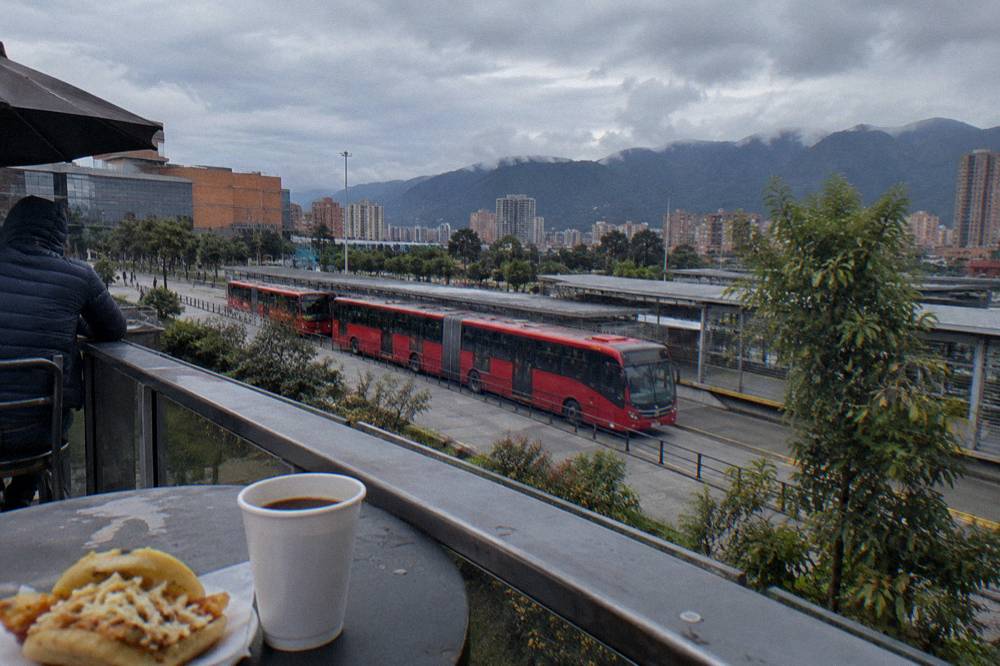
Rain changes the calculus modestly. The TransMilenio system is elevated and exposed at many stations, so an umbrella or hood helps on platforms, while the buses themselves are dry. Ride apps operate in Bogotá, though pickups are sometimes designated points a short walk from where you are standing, worth knowing when it is pouring. In La Candelaria, most of the eating territory is compact enough to walk, and the standard advice from recent neighborhood reports is to keep phones secure and stick to main streets after dark. Our page on tourist safety in Bogotá covers the 2026 advisory picture in plain terms.
| Transport mode | Weather fit | Practical notes |
|---|---|---|
| Walking (La Candelaria, Usaquén) | Best in dry morning windows | Cobblestones get slick, wear grippy shoes |
| TransMilenio | All weather, exposed platforms | COP 3,550 fare, 125 minute transfers |
| Ride apps | Best in heavy rain | Pickup points may be a short walk away |
| Authorized taxi | Reliable, metered | Airport surcharge and night supplements apply |
What Should You Wear On A Food Walk?
Wear comfortable long trousers, broken in walking shoes with grip, a t-shirt under a warm mid-layer, and carry a packable rain shell; you will be on your feet for two to four hours, standing at stalls, sitting on market benches and walking between neighborhoods. Dress for a cool day that turns warm in the sun, not for tropical heat.
Think about the physical reality of a tasting walk. You will stand at counters, lean over steam tables, maybe sit on low stools in a market hall, and walk several blocks between stops. Restrictive clothing and brand new shoes are the two most common mistakes. A crossbody bag or daypack keeps hands free for food and drink, which matters more than it sounds when you are handed a hot arepa and a juice at the same time.
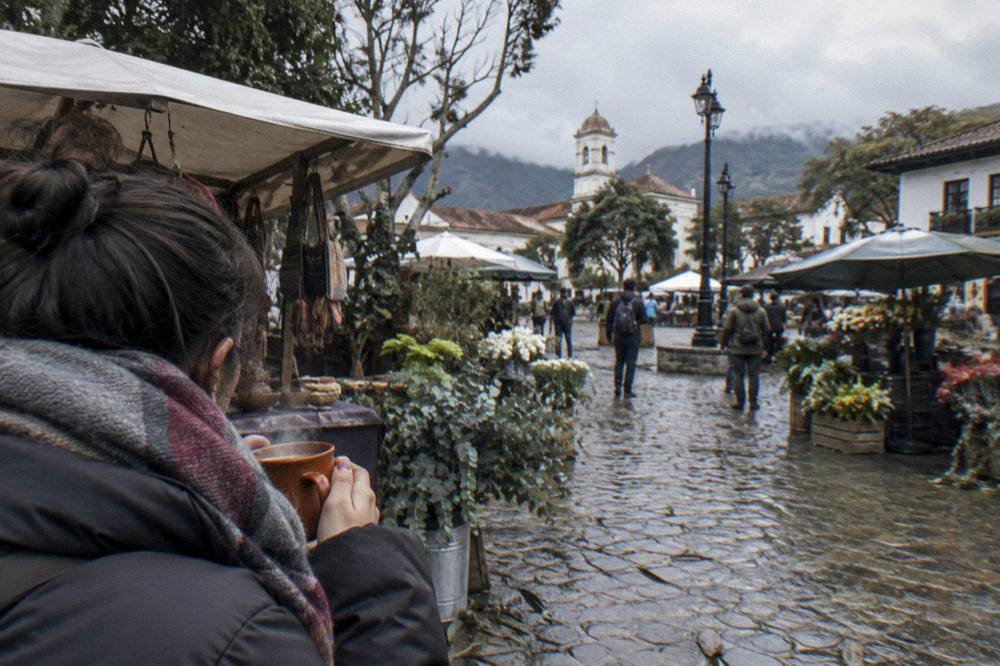
Weather wise, the same layer rule applies with one addition: a hat or hood you can deploy quickly, because afternoon showers arrive fast and the walks rarely pause for them. In the rainy windows of April to May and October to November, the shell goes in the pack every single day without exception, even when the morning looks clear. In the December to February dry stretch, you might carry it only for mountain area day trips.
A coffee farm day is the one itinerary that deserves extra thought. The Coffee Farm Experience Day Tour runs 8 hours from $94 per person, rated 4.8 across 87 reviews, and heads into rural terrain outside the city where weather can differ from the capital, so boots or sturdy shoes, full layers and rain protection are the sensible call, and check the booking page for what the operator recommends bringing.
| Food activity | Conditions | Clothing answer |
|---|---|---|
| Morning market tour | Covered halls, early cold | Warm layer over t-shirt, grippy shoes |
| Historic centre tasting walk | Outdoor blocks between stops | Layers plus packable rain shell |
| Coffee or chocolate tasting | Seated, indoors | Anything comfortable, sweater for AC |
| Sunday Usaquén market | Open air, weather dependent | Dry day plan, sun protection |
| Coffee farm day trip | Rural, variable, 8 hours | Full layers, boots, rain gear |
A Few Last Practical Notes
Tipping, tap water and festival timing round out the weather picture for eaters. The voluntary 10 percent propina is capped by law at sit-down restaurants and not expected at street counters, tap water is officially potable, and December festival dates reward a schedule check before you go. None of it requires extra packing, just a little planning.
Tipping interacts with weather planning less than with budgeting, but it belongs in any practical roundup: at sit-down restaurants staff ask whether to add the voluntary 10 percent propina, capped by law at 10 percent, and most locals accept for good service, though it can be declined; it is not expected at street food stalls or counters, where rounding up is the norm. Guides on paid walks appreciate a tip, but there is no fixed standard.
Tap water is officially potable in Bogotá, with the city's water quality index in the low risk band, though some visitors still choose bottled water because of chlorine taste or older building plumbing. Do not overstate it either way: drink what keeps you comfortable and hydrated, because at 2,640 m hydration is the real priority.
Rainy season travelers should also build in a schedule cushion. A delayed morning shower can push a market start back an hour, and festivals move with the calendar: the Festival del Tamal runs 5 to 8 December 2026 across more than 17 plazas with a tamal, hot drink and arepa combo at a reported 10,000 COP, a December plan that rewards checking plaza schedules before you go.
If your dates are flexible, our longer comparison of the best time to visit Bogotá for food and weather lines up the festival calendar against the rainfall pattern month by month.
Before you finalize anything, the three experiences that flex across Bogotá's whole weather range are worth a side by side look.
Common Questions About Bogotá Weather And Packing
What Is The Weather Like In Bogotá?
Bogotá averages around 14 C across the year, with cool nights, mild afternoons and frequent changes between sun, cloud and light rain inside a single day. It never gets genuinely hot, and nights can drop toward single digits, so layers matter more than seasonal wardrobe swaps.
What Is The Rainy Season In Bogotá?
There are two rainy windows in a typical year, April to May and October to November, with showers concentrated in the afternoons. The late 2026 outlook points to an El Niño pattern expected to bring drier, sunnier days and colder nights through February 2027, as reported in the September 2026 forecast coverage.
What Should I Pack For Bogotá?
Pack layers: a t-shirt, a warm fleece or sweater and a waterproof shell with a hood, plus long trousers and grippy walking shoes. Add sunscreen, sunglasses and a refillable water bottle. Skip heavy winter gear and beach clothes, neither fits the city's climate.
Do Food Tours Run When It Rains In Bogotá?
Guided food walks generally proceed in light rain, since market halls, arcades and restaurant interiors provide covered stops, but check the booking page for each operator's own weather and cancellation policy. Booking walks with late morning starts is the sensible habit in the rainy windows.
Is Bogotá Too Cold For Street Food?
No. The cool climate is part of why Bogotá's street and market food leans hot and steaming, from tamales to hot chocolate with cheese. You will want a warm layer for standing at outdoor stalls, especially in the evenings, but the food itself is built for the weather.